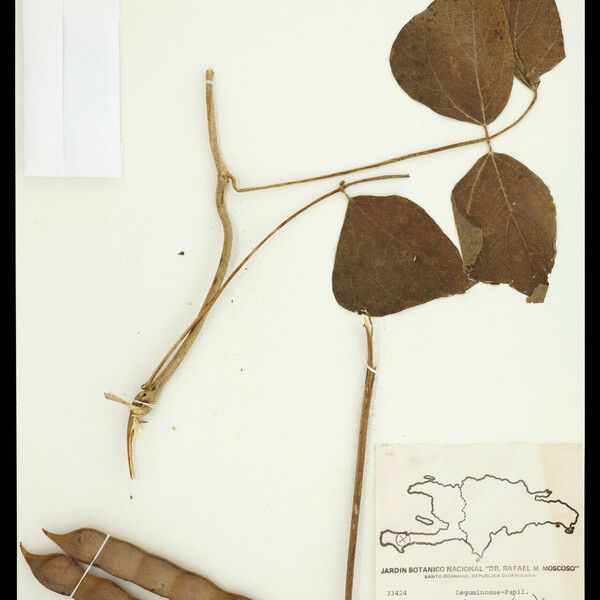
Plant Overview
Often called the Amazonian Jicama or Nupe, this vigorous climbing vine is the tropical cousin of the more common Mexican Jicama. While it creates a lush, leafy canopy, it is prized most for its massive, succulent tubers that hide underground like buried treasure. In its native South American home, it has been a staple "crunchy" snack for centuries, celebrated for its refreshing, water-rich texture.
🔍 How to Identify
- 🌿 The Foliage: Large, vibrant green leaves arranged in groups of three (trifoliate). The leaflets are broad and somewhat heart-shaped, often reaching the size of a human hand.
- 🌸 The Blooms: It produces beautiful, pea-like flowers that grow in long clusters. They typically range from a soft violet to a creamy white, giving the vine an ornamental appeal.
- 🫘 The Pods: Following the flowers, the plant produces long, flattened green pods covered in fine, brownish hairs. While they look like garden beans, they are a visual "stay away" signal!
- 🥔 The Tuber: The edible portion is a large, brown-skinned root with crisp, white, apple-like flesh inside. It is generally more elongated than its Mexican relative.
🏡 In Your Garden
- ☀️ Sun & Space: This is a sun-worshipper that needs plenty of vertical space. Because it is a vigorous climber, providing a sturdy trellis or fence is essential to keep the heavy vines from sprawling across the ground.
- ✂️ The Growth Secret: For the biggest, tastiest tubers, experienced growers often "deadhead" or pinch off the flower buds. This forces the plant to send all its energy into the root rather than producing seeds.
- 💧 Soil Strategy: It demands deep, loose, and well-draining soil. If the ground is too compact or stays soggy, the prize tuber will rot before it ever reaches harvest size.
⚠️ Safety & Toxicity
- 🚫 Partial Toxicity: While the tuber is perfectly safe and delicious to eat, every other part of the plant is toxic.
- 🧪 Rotenone Risk: The seeds, pods, leaves, and stems contain high concentrations of rotenone, a natural insecticide. If ingested by humans, pets, or livestock, it can cause severe digestive distress and respiratory issues.
- 🐾 Pet Warning: Keep curious dogs or cats away from the foliage and fallen seed pods, as they can be harmful if chewed.
✨ Fun Fact
The seeds of the Pachyrhizus family are so potent that indigenous cultures traditionally crushed them to use as a "fish poison." When thrown into still water, the chemicals would stun the fish, making them float to the surface for easy gathering without making the fish meat toxic to eat!

Detailed Care Instructions







