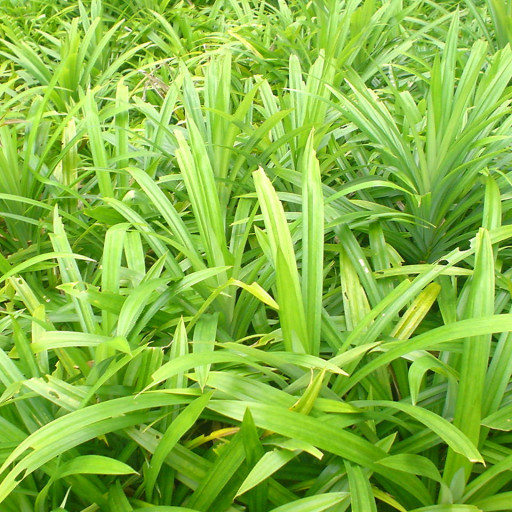
Plant Overview
Often called the "Vanilla of the East," the Pandan plant is the secret ingredient behind the intoxicating aroma of Southeast Asian desserts and savory rice dishes. Known formally as Pandanus amaryllifolius, this tropical gem is a member of the Screwpine family, though it is the only species in its genus with fragrant leaves. In many tropical households, a pot of Pandan is kept right by the kitchen door, acting as both a living pantry and a natural, sweet-smelling air freshener.
🔍 How to Identify
- 🍃 Leaf Shape: Long, narrow, sword-like leaves that are glossy and deep green, usually measuring between 1 to 2 feet in length.
- 🌀 Growth Habit: The leaves emerge in a distinct, tight spiral arrangement from a central woody stem, which gives the "Screwpine" family its name.
- 👃 Scent Signature: Unlike most plants, the scent is subtle until the leaf is bruised or wilted, at which point it releases a powerful, nutty aroma similar to basmati rice or freshly baked bread.
🏡 In Your Garden
- 💧 Thirst for Humidity: Pandan is a tropical swamp-dweller at heart; it thrives in high humidity and consistently moist (but not waterlogged) soil. If your indoor air is dry, the leaf tips will quickly turn brown.
- 🌡️ Cold Sensitivity: This plant is strictly a warm-weather lover. It will stop growing if temperatures dip below 50°F (10°C) and can suffer permanent damage or death in even a light frost.
- ✂️ Harvesting Nuance: To keep the plant bushy, always harvest the older, lower leaves first. This encourages the central "crown" to continue pushing out new, vibrant growth.
⚠️ Safety & Toxicity
- ✅ Status: Generally non-toxic and widely used in culinary applications.
- ⚔️ Physical Hazard: While not chemically poisonous, the leaf edges can be surprisingly sharp or "saw-toothed." Keep it out of reach of toddlers or pets who might try to pull on the leaves, as they can cause minor skin abrasions or "paper cuts."
✨ Fun Fact
- 🧬 The Sterile Mystery: Interestingly, Pandanus amaryllifolius almost never produces flowers or seeds in the wild. Botanists believe it has been cultivated and cloned by humans for so many centuries that it has largely lost its ability to reproduce sexually, relying entirely on humans to plant its "pups" or cuttings!

Detailed Care Instructions
| Color | Green |
| Soil Ph | 5–7.5 |
| Humidity | Normal |
| Lighting | Part Sun |
| Toxicity | Non-Toxic |
| Soil Type | Rich, Moist, And Well Rained |
| Bloom Time | Spring/Summer |
| Difficulty | Easy |
| Plant Type | Aromatic, Asian Herb Plant |
| Mature Size | 3-6 Feet Tall |
| Native Area | Southeast Asia |
| Temperature | 22°C - 29°C |
| Sun Exposure | Full Sun To Partial Sun |
| Hardiness Zones | 9-11 |
To grow Pandanus amaryllifolius, also known as the Pandan plant, you can follow these steps:
- Obtain a Pandan plant: You can either purchase a Pandan plant from a nursery or find a mature plant from someone who already has one. Alternatively, you can start from a cutting taken from an established Pandan plant.
- Choose a suitable container: Pandan plants can be grown in containers or directly in the ground if the climate allows. Select a container with drainage holes and a sufficient size to accommodate the plant's root system.
- Soil and planting: Use well-draining soil with a good mix of compost or organic matter. Plant the Pandan plant in the container, ensuring that the roots are properly covered with soil.
- Light and temperature: Pandan plants require bright sunlight but can tolerate partial shade. Place the container in a sunny spot, preferably near a south-facing window or any area with full sun exposure. The plant prefers temperatures between 68-86°F (20-30°C).
- Watering: Keep the soil evenly moist, but not waterlogged. Water thoroughly whenever the top inch of soil feels dry. Reduce watering during the winter months.
- Fertilization: Pandan plants are light feeders, and a well-amended soil should provide sufficient nutrients. However, you can use a balanced liquid fertilizer once a month during the growing season for optimal growth.
- Pruning: Trim the plant regularly to encourage new growth and prevent it from becoming too tall or leggy. You can use the trimmed leaves for culinary purposes.
- Transplanting: If the Pandan plant outgrows its container, you may need to transplant it to a larger pot. Gently remove the plant from the current container, taking care not to damage the roots, and replant it in fresh soil in a bigger container.
- Pests and diseases: Pandan plants are generally resistant to pests and diseases. However, occasional pests like mealybugs or spider mites may appear. Treat them with organic insecticides or by washing the leaves with a gentle soapy water solution.
By following these steps, you can successfully grow and maintain a Pandanus amaryllifolius plant. Enjoy the unique aroma and use the leaves in various culinary applications, such as flavoring rice, desserts, or drinks.

Place in a window with dappled sun or a spot in the middle of a room. Or directly in a window facing west or east.

In order to properly water this plant, you should first ensure that the soil is dry to the touch. Once you have determined that the soil is dry, slowly and evenly pour water around the base of the plant, allowing it to soak in. You should avoid getting water on the leaves as this can cause them to rot. It is also important not to overwater as this can lead to root rot. This plant prefers moist soil, but it is crucial to allow the top inch of soil to dry out before watering again.
The Pandanus Amaryllifolius plant should be fertilized once every three to four weeks. Use a balanced liquid fertilizer with an equal ratio of nitrogen, phosphorus, and potassium. Dilute the fertilizer to half the recommended strength and apply it to the soil around the plant. Do not fertilize during the dormant season. Water the plant after fertilizing to prevent fertilizer burn.
For Pandanus Amaryllifolius plants, it is recommended to use well-draining soil with a slightly acidic pH level between 5.5-6.5. The soil should be rich in nutrients and organic matter, and should not be compacted or waterlogged as this can cause root rot. Adding a layer of mulch on top of the soil can help retain moisture and provide additional nutrients. It's important to note that this plant prefers slightly moist but not soggy soil, so watering should be done sparingly and only when the top inch of soil feels dry to the touch. Fertilization can be done every 4-6 weeks during the growing season using a balanced fertilizer.
To propagate this plant, select a healthy and mature specimen and gently remove it from its pot or plant bed. Gently untangle the roots. Using a clean, sharp tool, cut several stem segments about 3-4 inches long and ensure each segment has at least one visible node. Dip the ends of the segments in rooting hormone powder and insert them in a container filled with well-draining soil mix, leaving only the top node exposed. Water the soil and place the container in a warm, humid location with filtered sunlight. Keep the soil moist but not waterlogged. Within a few days, new roots and shoots will emerge. Once the plants have developed strong roots, they can be transplanted into individual pots or planted in a garden bed.
Common pests of the pandan include Scale insect, mealybugs, spider mites. Make a habit of checking your pandan frequently for pests so that any infestations can be caught and managed early.








