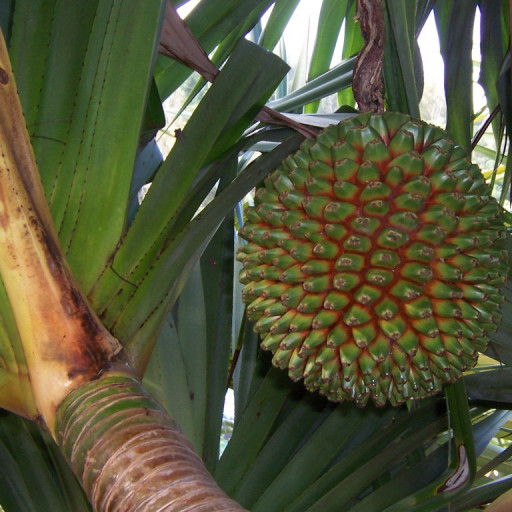
Plant Overview
Often called the "Screw Pine" because of the way its leaves spiral up the stem like a corkscrew, the Pandanus is a tropical icon that looks like a cross between a palm and a giant pineapple. In many island cultures, it is affectionately known as the "Walking Tree" due to its bizarre aerial roots that prop it up above the ground. Whether used for its architectural beauty or its fragrant leaves in cooking, this plant brings an ancient, prehistoric vibe to any landscape.
🔍 How to Identify
- 🌀 Spiral Foliage: Long, strap-like, sword-shaped leaves that emerge in a very distinct spiral pattern around the central trunk.
- 🦵 Stilt Roots: Thick, woody "prop roots" that emerge from the trunk above the soil line and grow downward, making the plant look like it is standing on multiple legs.
- ⚔️ Saw-Toothed Edges: Most wild varieties feature tiny, sharp, hooked spines along the leaf margins and the underside of the central leaf vein.
🏡 In Your Garden
- 🏝️ Coastal Warrior: These plants are incredibly salt-tolerant and wind-resistant. They evolved to survive tropical storms and sandy shores, making them the perfect choice for seaside gardens where other plants might wither.
- 🏺 The "Space" Issue: While young Pandanus plants look great in pots, they are not for small spaces. As they mature, their stilt roots will spread outward, and they require significant "breathing room" to showcase their unique architecture without crowding neighbors.
⚠️ Safety & Toxicity
- 🩹 Physical Hazard: The primary concern is the sharp spines on the leaves. These can easily slice through skin or snag clothing, so they should be planted away from walkways or play areas.
- 🐾 Pet Safety: Most Pandanus species are considered non-toxic to cats and dogs. However, the tough, fibrous leaves and sharp edges can cause physical irritation to the mouth or throat if chewed.
✨ Fun Fact
One specific variety, Pandanus amaryllifolius, is known as the "Vanilla of the East." Its leaves are used across Southeast Asia to flavor everything from rice to cakes, giving food a bright green color and a unique, nutty aroma similar to basmati rice or popcorn.

Detailed Care Instructions
| Lighting | Full Sun |
| Hardiness Zones | 10A - 12 |
Growing a Pandanus plant, also known as a screw pine, can be a rewarding experience as these plants are known for their unique appearance and versatility. Here are some steps you can follow to successfully grow a Pandanus plant:
1. Selecting the Right Location
- Light: Pandanus plants thrive in bright, indirect sunlight. While they can tolerate some direct sunlight, too much direct light can scorch the leaves.
- Temperature: These plants prefer warm temperatures ranging from 60°F to 80°F (16°C to 27°C). They are not frost-tolerant, so if you live in a cooler climate, consider growing your Pandanus as a houseplant.
2. Soil
- Type: Use a well-draining potting mix. You can create your own mix by combining equal parts of peat, perlite, and sand. Good drainage is crucial to prevent root rot.
- pH: The plant prefers slightly acidic to neutral soil (pH 6.0 to 7.5).
3. Watering
- Frequency: Keep the soil evenly moist but not waterlogged. Water the plant thoroughly and then wait until the top inch of soil is dry before watering again.
- Humidity: Pandanus plants appreciate high humidity. Mist the leaves regularly or place a tray with water near the plant to increase humidity.
4. Fertilizing
- Type: Use a balanced, water-soluble fertilizer (like 10-10-10) during the growing season (spring and summer).
- Frequency: Fertilize every 4-6 weeks during the growing season. Reduce fertilizing during the dormant period in fall and winter.
5. Propagation
- Offsets (pups): Pandanus plants produce offsets from the base. You can carefully separate these and plant them in their own pots.
- Remove the offset with a clean, sharp knife.
- Allow the cut end to dry out for a day to prevent rot.
- Plant the offset in a small pot with the same well-draining soil.
- Water lightly and keep in a warm, bright location until you see new growth.
6. Pest and Disease Management
- Remove the offset with a clean, sharp knife.
- Pests: Watch out for common pests such as spider mites, scale, and mealybugs. If infested, treat the plant with insecticidal soap or neem oil.
- Diseases: Root rot is common if the plant is overwatered. Ensure proper drainage and avoid letting the plant sit in water.
7. Repotting
- Frequency: Repot every 2-3 years or when the plant outgrows its pot. Choose a pot that is one size larger and ensure it has good drainage holes.
8. Pruning
- Purpose: Remove dead or yellowing leaves to keep the plant healthy and promote new growth.
- Method: Use clean, sharp scissors to cut away the dead or damaged leaves.
By following these steps and providing the right conditions, you can successfully grow a healthy and thriving Pandanus plant. Enjoy watching it develop its unique form and lush foliage!

Place in a bright room that is sun drenched almost all day. Or directly in a south-facing window.

Pandanus is a tropical plant that requires frequent watering to stay hydrated and healthy. To water this plant, it is important to provide it with enough water to saturate the soil without making it waterlogged.
The best way to water Pandanus is to give it a deep, thorough watering once or twice a week, depending on the temperature and humidity in your area. This will allow the water to penetrate deep into the soil, promoting strong root growth.
When watering, avoid getting water on the leaves or in the crown of the plant, as this can encourage fungal growth and damage the plant's health. Instead, aim for the soil around the base of the plant, using a watering can or hose with a gentle spray.
In addition to regular watering, Pandanus also benefits from occasional misting or humidifying. This can help keep the leaves moist and prevent them from becoming too dry and brittle.
Overall, taking care to water your Pandanus properly can help ensure that it thrives and continues to grow and thrive in its tropical habitat.
To fertilize a Pandanus plant effectively, follow these guidelines:
- Frequency: Fertilize the plant every 4-6 weeks during the growing season, which typically spans from spring through early fall. Reduce or stop fertilizing in the dormant winter months.
- Type of Fertilizer: Use a balanced, water-soluble fertilizer with a ratio such as 10-10-10 (Nitrogen-Phosphorus-Potassium). Organic fertilizers that provide a range of nutrients are also a good choice.
- Dilution: Dilute the fertilizer to half the recommended strength to avoid overfeeding, which can harm the plant.
- Application: Water the plant thoroughly before applying the fertilizer to prevent root burn. Then, apply the diluted fertilizer solution directly to the soil around the base of the plant.
- Soil and pH: Ensure the soil is well-draining and slightly acidic to neutral (pH 6.0-7.5). Good soil conditions aid in nutrient uptake.
- Monitor Plant Health: Observe the plant for signs of nutrient deficiencies, such as yellowing leaves or stunted growth, and adjust fertilizing schedules or types as necessary.
By following these guidelines, you can help ensure your Pandanus plant receives the nutrients it needs to thrive.
Pandanus plants prefer to be grown in well-draining soil that is rich in nutrients. The soil should be moist but not waterlogged, and should never completely dry out. A good option is to use a potting mix consisting of a combination of peat moss, perlite, and sand. This mixture provides good drainage and aeration, while also retaining moisture and nutrients. Avoid using heavy clay soils or soils that are prone to becoming compacted. Additionally, adding organic matter such as compost or aged manure can help improve soil quality and fertilize the plant.
Propagating a Pandanus plant involves several steps, which can be accomplished through both seed and vegetative methods. Below are detailed instructions for each method:
Propagation by Seed
1. Seed Collection
- Timing: Collect seeds when the fruit has ripened fully on the plant.
- Cleaning Seeds: Remove the pulp from around the seeds by washing them thoroughly.
2. Seed Preparation
- Soaking: Soak the seeds in water for about 24-48 hours. This helps to soften the seed coat and promotes germination.
3. Sowing
- Medium: Use a well-draining potting mix, such as a blend of sand, peat, and perlite.
- Depth: Sow the seeds about 1-2 cm deep into the soil.
- Watering: Ensure the soil is moist but not waterlogged.
- Covering: Lightly cover the seeds with soil and press it down gently.
4. Conditions
- Light: Place the container in a location with indirect light.
- Temperature: Maintain a warm environment, ideally between 24-30°C (75-86°F).
- Humidity: High humidity is beneficial for seed germination.
5. Care
- Watering: Keep the soil consistently moist until germination occurs, which could take several weeks to a few months.
- Transplanting: Once the seedlings are large enough to handle, transplant them into individual pots with similar well-draining soil.
Propagation by Vegetative Methods
1. Offshoots (Suckers)
- Identification: Look for offshoots or suckers growing at the base of the parent plant.
- Separation: Carefully dig around the base to expose the roots of the offshoot. Use a clean, sharp knife or garden shears to separate it from the parent plant.
- Root System: Ensure the offshoot has adequate roots before separating.
2. Preparation
- Trimming: Trim any damaged leaves from the offshoot.
- Root Treatment: Optionally, dip the cut end into a rooting hormone to encourage root development.
3. Potting
- Container: Prepare a pot with well-draining potting mix, similar to that used for seed propagation.
- Planting: Plant the offshoot into the soil, making sure the roots are covered and the plant is stable.
- Watering: Water thoroughly after planting.
4. Conditions
- Light: Place the pot in a location with indirect sunlight.
- Temperature: Maintain a warm temperature, ideally between 24-30°C (75-86°F).
- Humidity: High humidity is advantageous for root development.
5. Care
- Watering: Keep the soil consistently moist but not soggy.
- Growth Monitoring: Monitor the plant for new growth, indicating successful rooting.
General Tips
- Avoid Overwatering: Pandanus plants prefer well-draining soil; overwatering can lead to root rot.
- Fertilization: Fertilize the young plants with a balanced, water-soluble fertilizer diluted to half-strength, every 4-6 weeks.
- Pest Control: Inspect regularly for pests such as mealybugs and aphids, and treat as necessary.
By following these steps, you can successfully propagate your Pandanus plant, contributing to its growth and distribution.







