Plant Overview
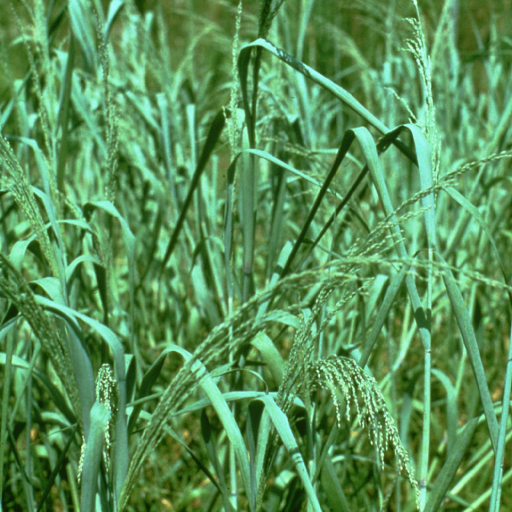
Known affectionately as Bitter Switchgrass, this coastal native is the unsung hero of the Atlantic and Gulf shorelines. With its striking blue-green foliage and architectural, fountain-like shape, it has transitioned from a wild beach-stabilizer to a favorite for "oceanside chic" landscapes. It is a true survivor, standing tall against salt spray and shifting sands where most other plants would wither.
🔍 How to Identify
- 🌿 Foliage Color: Look for thick, waxy leaves with a distinctive metallic blue-gray or silvery-green hue that remains vibrant even in intense summer heat.
- 🌾 Seed Heads: In late summer, it produces dense, narrow flower spikes (panicles) that rise above the leaves, eventually turning a warm tawny-bronze as autumn approaches.
- 🏗️ Growth Habit: Unlike many sprawling grasses, it grows in a tidy, upright clump that forms a tall, narrow silhouette, often reaching 3 to 5 feet in height.
🏡 In Your Garden
- 🏖️ Coastal Resilience: This plant is a "halophyte," meaning it is exceptionally salt-tolerant. It is the gold standard for seaside gardens where salt-laden winds are a constant challenge.
- 🏜️ Low-Maintenance Needs: It actually thrives in poor, sandy soil and requires almost no supplemental water once its roots are established. Avoid "pampering" it with rich fertilizers, as too much nitrogen can cause the sturdy stems to become weak and flop over.
⚠️ Safety & Toxicity
- ✅ Non-Toxic Status: Panicum amarum is generally considered safe and non-toxic for dogs, cats, and curious children.
- 🌾 Mechanical Irritation: While not poisonous, the leaf edges can be quite sharp. It is wise to wear gardening gloves when pruning or dividing the plant to avoid minor skin "paper cuts" or irritation.
✨ Fun Fact
🌊 The Dune Defender: Because of its incredibly deep and aggressive root system, environmentalists use Panicum amarum as a primary tool to "build" sand dunes. It traps blowing sand and anchors it in place, acting as a natural shield that protects inland areas from hurricane-driven storm surges.

Detailed Care Instructions
To grow Panicum amarum plants, also known as bitter panicgrass or bitter switchgrass, you can follow these steps:
- Select a planting location: Panicum amarum plants thrive in full sun to partial shade, so choose a spot in your garden that receives at least 6 hours of direct sunlight daily. Ensure the soil is well-draining and moderately fertile.
- Prepare the soil: Clear the area of any weeds or unwanted plants. Loosen the soil with a garden fork or tiller to a depth of about 12 inches. Remove any rocks, large debris, or roots from the soil.
- Plant the seeds or seedlings: Panicum amarum seeds can be sown directly into the garden in the spring or through early summer. Scatter the seeds evenly over the prepared soil and lightly press them into the soil surface. Alternatively, you can start the seeds indoors 6-8 weeks before the date of the last frost and transplant the seedlings into the garden when they are 6-8 inches tall.
- Water the plants: Keep the planted area consistently moist until the plants establish themselves. However, avoid overwatering to prevent waterlogging, as Panicum amarum plants prefer drier conditions once established. Water the plants deeply but infrequently, allowing the soil to dry partially between waterings.
- Mulch the plants: Apply a layer of organic mulch, such as straw or wood chips, around the plants to help retain moisture and deter weed growth. Leave a small space around the base of the plant to prevent moisture accumulation on the stem.
- Maintain the plants: Panicum amarum plants are relatively low-maintenance. However, you can apply a balanced fertilizer during the early growing season to promote healthy growth. Additionally, remove any weeds or competing plants as they appear to prevent them from overtaking the Panicum amarum.
- Harvest and propagate (optional): Panicum amarum can be propagated through division or stem cuttings. If desired, you can harvest mature plants and separate the root clumps to propagate new ones. This can be done in late winter or early spring, just before new growth begins.
By following these steps, you should be able to successfully grow Panicum amarum plants in your garden.

Place in a bright room that is sun drenched almost all day. Or directly in a south-facing window.

1. Determine the plant's watering needs: Before you start watering the plant, you should know how much water it needs. Panicum Amarum plant prefers moist soil but does not tolerate standing water, so it is essential to ensure that the soil is well-drained.
2. Provide water according to its growth: Panicum Amarum plant growth varies throughout the growing season. During the initial growth phase, the plant requires frequent watering to promote root establishment and continued growth.
3. Water the plant deeply: Panicum Amarum plant should be watered deeply to promote healthy root development. You should ensure that the water penetrates the soil to the root zone. Shallow watering can promote shallow root growth, ultimately weakening the plant.
4. Use the right amount of water: Panicum Amarum plant needs the right amount of water for healthy growth. Over-watering can lead to root rot and fungal diseases, while under-watering can cause wilting, leaf drop, and plant death. You can check the soil moisture by inserting your finger into the soil up to an inch; if it feels dry, it is time to water.
5. Water the plant in the morning: Panicum Amarum plant should be watered in the morning to allow the soil to dry before evening. This will prevent the plant from getting fungal diseases that thrive on moist soil.
6. Avoid getting water on the leaves: When watering Panicum Amarum plant, avoid getting water on the leaves, as this can burn the leaves, encourage fungal growth and attract pests.
7. Use a watering can or soaker hose: Panicum Amarum plant should be watered using a watering can or a soaker hose to ensure that the water is distributed evenly and does not splash on the leaves.
8. Mulch the soil: You can maintain the soil moisture level by applying mulch around the plant base. Mulch helps retain soil moisture, regulate soil temperature, and discourage weed growth.
To fertilize this plant, apply a balanced fertilizer (10-10-10) at a rate of 1 pound per 100 square feet of planting area in early spring before new growth begins. Alternatively, you can use a slow-release granular fertilizer applied at a rate of 2 tablespoons per plant or use liquid fertilizer applied every 2-4 weeks during the growing season. Always follow the manufacturer's instructions for proper application and apply fertilizer evenly around the plant. Water deeply after fertilizing to prevent burn and to help distribute nutrients throughout the soil.
The recommended type of soil to use with this plant is a well-draining soil mixture that is on the sandy side. The soil pH should be slightly acidic to neutral, between 5.5 and 7.0. It is important to avoid heavy or clay soils as these can lead to root rot. This plant is also tolerant of salt spray and occasionally flooding, so the soil should be able to handle these conditions. Additionally, adding compost or other organic matter to the soil can improve fertility and overall plant health.
To propagate this plant, start by gathering stem cuttings with a sharp, clean pair of pruning shears. Choose stems that are healthy and have not yet flowered. Cuttings should be about 6-8 inches long.
Remove the lower leaves from each cutting and dip the cut end into rooting hormone powder. Place the cutting into a container filled with moist potting soil.
Cover the container with a clear plastic bag to create a mini greenhouse and keep the soil moist but not wet. Place it in a bright, warm location but out of direct sunlight.
After a few weeks, new growth should start to appear from the top of the stem. Once roots have developed and the plant has grown large enough to handle, transplant it into a larger container or to a suitable outdoor location.








