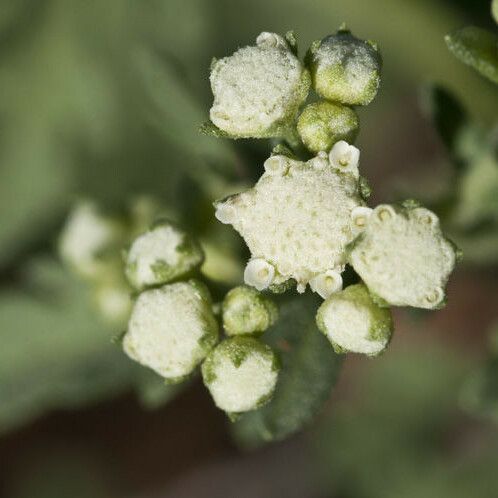
Plant Overview
Often called the Lyreleaf False Ragweed, this resilient wildflower is a frequent sight in sun-scorched fields and dusty roadsides across the Southwestern United States and Mexico. While it is often dismissed as a common weed, it is a tough survivor in the Daisy family that provides a vital nectar source for native bees when more delicate flowers have wilted under the sun.
🔍 How to Identify
- 🍃 The Leaves: They are the plant's namesake, featuring a "lyre" shape—deeply lobed and wavy, resembling the body of a classical harp or lyre.
- ⚪ The Blooms: Instead of long, showy petals, this plant produces small, creamy-white "button" heads. These clusters look like miniature pom-poms or tiny pieces of cauliflower.
- ☁️ The Texture: The stems and leaves are covered in fine, silver-gray hairs, which give the plant a dusty appearance and help it reflect intense heat to stay cool.
🏡 In Your Garden
- ☀️ A Rugged Specialist: You won’t usually find this in a formal flower bed, but it is excellent for "rewilding" dry areas. It thrives in poor, rocky soil and requires almost no supplemental water once its deep taproot is established.
- 🦋 Ecosystem Hero: Because it blooms throughout the heat of summer and into the fall, it acts as a reliable filling station for migrating butterflies and small specialized bees that other garden plants might not support.
⚠️ Safety & Toxicity
- 🤧 Allergy Trigger: Like most members of the Ragweed family, this plant produces fine pollen that can be a major culprit for seasonal hay fever. If you are prone to autumn allergies, give this plant some space.
- 🚫 Skin Sensitivity: It contains a compound called parthenin, which can cause contact dermatitis (a red, itchy rash) in some people. It is best to wear gloves if you are weeding it out of your yard.
- 🐾 Pet Safety: While not typically lethal, it can cause digestive upset if grazed upon by curious dogs or cats.
✨ Fun Fact
🧪 The Rubber Connection: This plant is a close cousin to the Guayule plant. During World War II, when rubber supplies were scarce, scientists looked closely at the Parthenium genus as a potential domestic source for high-quality natural rubber!

Detailed Care Instructions

Place in a bright room that is sun drenched almost all day. Or directly in a south-facing window.

Some plants require more regular watering than others, which should be done every few days. It's critical to maintain the soil moist all of the time. The water requirements of the same plant placed in pots with varying sizes will differ. Because the water in the smaller pot evaporates faster than the water in the larger pot, it will require more watering. Regardless of pot size, the surface should constantly be maintained moist.








