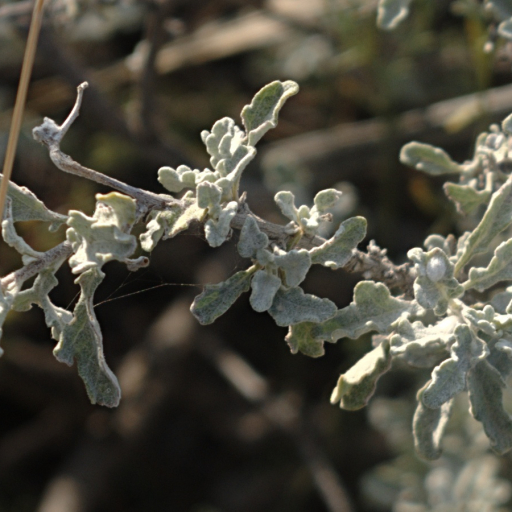
Plant Overview
Meet Mariola, the tough, silvery resident of the Chihuahuan and Sonoran deserts. Often mistaken for its famous cousin, the Guayule (a source of natural rubber), Parthenium incanum is a hardy shrub that thrives where other plants wither. Its name, "Mariola," is a nod to its long history in traditional regional medicine, where it was once brewed into teas to soothe stomach aches.
🔍 How to Identify
- 🌿 Silvery Foliage: The leaves are the standout feature—small, deeply lobed, and covered in fine, grayish-white hairs that give the plant a "hoary" or frosted appearance.
- 🌼 Clustered Blooms: It produces tiny, inconspicuous white or cream-colored flowers that grow in flat-topped clusters at the ends of the branches.
- 📏 Compact Form: This is a low-growing, mounding shrub that usually stays under 3 feet tall, making it look like a soft, silver cloud against the desert floor.
🏡 In Your Garden
- 🏜️ The Ultimate Xeriscape: Because it evolved in the harsh American Southwest, Mariola is incredibly drought-tolerant. It is perfect for "lazy" gardeners or those in arid climates who want greenery without the water bill.
- 🪨 Drainage is Non-Negotiable: This plant hates "wet feet." If you plant it in heavy clay or soil that stays damp, the roots will rot quickly. It prefers rocky, limestone-rich, or sandy soils where water moves through rapidly.
⚠️ Safety & Toxicity
- 🚫 Potential Irritant: Mariola contains sesquiterpene lactones, which can cause contact dermatitis (skin rashes) in sensitive individuals or gardeners who handle the plant without gloves.
- 🐾 Pet Caution: While not typically considered deadly, the plant's chemical compounds can cause digestive upset if nibbled by curious dogs or cats. Its bitter taste usually acts as a natural deterrent for most animals.
✨ Fun Fact
Despite its humble appearance, Mariola is a distant relative of the sunflower! It also contains small amounts of natural rubber in its tissues, though not quite enough to be commercially harvested like its close relative, the Guayule.

Detailed Care Instructions
To grow Parthenium Incanum, also known as Mariola or Mariola Weed, follow these steps:
- Climate and Soil: Parthenium Incanum is native to arid regions, so it requires a climate that is dry and hot. Choose a location that receives full sun exposure. In terms of soil, it prefers well-draining and sandy soil.
- Seeds: Obtain Parthenium Incanum seeds from a reputable source. It is commonly available at garden centers or online seed suppliers.
- Seed Preparation: Before sowing the seeds, soak them in warm water for 24-48 hours. This will help to speed up germination.
- Sowing: Prepare the planting area by removing any weeds and loosening the soil. Scatter the soaked seeds on top of the soil, and lightly press them into the surface. Alternatively, you can start the seeds indoors in small pots and transplant them later.
- Watering: After sowing the seeds, water the area gently to keep the soil moist. Avoid overwatering, as it can lead to root rot. Once the plants establish themselves, they are drought-tolerant and require less water.
- Pruning: Parthenium Incanum tends to grow bushy and can become invasive if not managed. Regularly trim the plant to maintain its shape and prevent it from spreading too much. Pruning also encourages healthy growth.
- Pests and Diseases: Parthenium Incanum is relatively resistant to pests and diseases. However, occasional monitoring for common garden pests like aphids or snails is recommended. If any issues arise, use organic pest control methods or consult a professional.
- Harvesting: Parthenium Incanum leaves can be harvested once the plant reaches maturity. The leaves can be used for medicinal purposes or as a natural insect repellent.
Remember, Parthenium Incanum is known for its invasive nature, so it is important to monitor its growth and prevent it from spreading to unwanted areas. Dispose of any unwanted plants responsibly to prevent further spread.

Place in a bright room that is sun drenched almost all day. Or directly in a south-facing window.

Parthenium Incanum is a type of plant that requires regular watering to thrive. The best way to water this plant is to use a watering can, watering it at the base of the plant and avoiding getting water on the leaves or flowers. Water the plant thoroughly until the soil is evenly moist. It is important not to overwater the plant as this can lead to root rot. Allow the soil to dry out partially before watering again. To determine if the soil needs watering, stick your finger about an inch into the soil. If it feels dry, it is time to water. Additionally, it is important to be consistent with watering, especially during periods of drought or high temperatures. Overall, providing the right amount of water is crucial for the growth and health of a Parthenium Incanum plant.
To fertilize this plant, you should use a balanced fertilizer with equal amounts of nitrogen, phosphorus, and potassium. Apply the fertilizer once a month during the growing season, which is typically spring and summer. Be sure to water the plant well before and after applying the fertilizer to help prevent burning of the roots. Follow the instructions on the fertilizer package to determine the appropriate amount to use based on the size of your plant.
For optimal growth and development of the Parthenium Incanum plant, it is recommended to use a well-draining soil mixture that is rich in organic matter and nutrients. The soil pH should be slightly acidic, with a range of 6.0 to 6.5. The soil should be loose and aerated to allow for good root development and proper drainage. It is also important to ensure that the soil is not waterlogged, as this can lead to root rot and other issues. Additionally, adding a layer of mulch around the base of the plant can help to retain moisture in the soil and prevent weed growth. Overall, a nutrient-rich, organically enriched, well-draining soil is ideal for healthy growth of the Parthenium Incanum plant.
There are several ways to propagate this plant:
- Division: This plant can be divided by carefully separating the roots and shoots. Ensure that each division has roots and healthy shoots attached.
- Stem cuttings: Cut a stem from the plant and remove the lower leaves so that only the top leaves are remaining. Dip the cut end into rooting hormone and place it into a seed tray filled with sterile potting mix. Water the cutting regularly and keep it in a warm, bright location until roots appear.
- Seed propagation: Collect seeds from the plant and sow them into a seed tray filled with sterile potting mix. Water regularly and keep the seed tray in a warm, bright location until the seeds germinate and grow into seedlings.
Regardless of the propagation method used, ensure that the new plants are planted in well-draining soil in a location that receives plenty of sunlight. Water the plants regularly until they become established.








