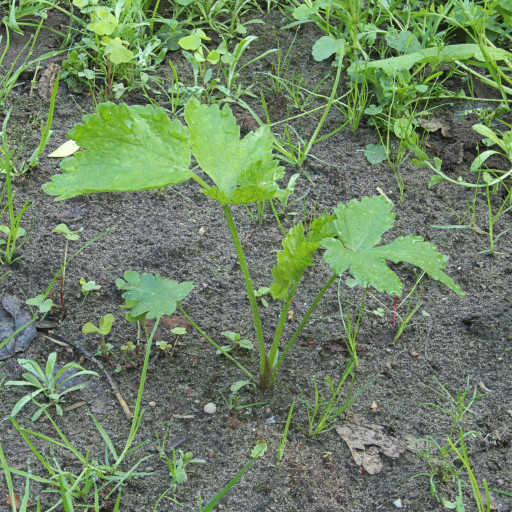
Plant Overview
Commonly known as the Wild Parsnip, this plant is a double-edged sword: a sweet, edible root hidden beneath foliage that can cause severe skin blistering. While the cultivated variety is a winter kitchen staple, the wild version is a frequent "uninvited guest" in roadside meadows and garden edges. In historical Europe, before the potato became king, the parsnip was the primary source of starch for many, often used to sweeten cakes and jams.
🔍 How to Identify
- 🌼 The Flowers: Tiny, vibrant yellow blossoms clustered in flat-topped "umbels" that look like small, upside-down umbrellas.
- 🌿 The Leaves: Pinnately compound leaves with saw-toothed edges that look remarkably like oversized, bright green celery leaves.
- 📏 The Stem: A thick, deeply grooved, and hollow stalk that can reach heights of up to five feet when the plant is in full bloom.
🏡 In Your Garden
- 🌱 The Two-Year Cycle: As a biennial, it spends its first year as a low-to-the-ground rosette and doesn't shoot upward or flower until its second year. If you find one in your garden, it’s best to remove it before it seeds.
- 🥕 Soil Nuance: If you are growing the cultivated garden variety, they require deep, stone-free soil. Because of their long, stubborn taproots, any obstruction in the soil will cause the root to "fork" or twist into strange, limb-like shapes.
⚠️ Safety & Toxicity
- 🚫 Status: DANGEROUSLY PHOTOTOXIC.
- ☀️ Details: The sap contains chemicals called furanocoumarins. If the sap gets on your skin and is then exposed to sunlight (UV rays), it causes "phytophotodermatitis"—painful, weeping blisters that look like chemical burns and can leave dark scars for months. Always wear gloves, long sleeves, and eye protection if you are clearing this plant from your yard.
✨ Fun Fact
[✨] Before the arrival of cane sugar in Europe, parsnips were used as a primary sweetener. They were even used to make "parsnip wine," a potent brew that was famously mentioned in old English literature as a way to warm the bones during long winters.

Detailed Care Instructions
Parsnips are fairly easy to grow in cool weather and loose, deep soil.
How long does it take to grow parsnips?
Parsnips can take 120 to 180 days from planting to harvesting.
Do parsnips come back every year?
Parsnips do technically complete their life cycle in two growing seasons; however, most gardeners harvest them during their first growing season.
| Color | Green |
| Soil Ph | 6.0-7.0 |
| Invasive | Weed |
| Lighting | Full Sun |
| Toxicity | Poisonous |
| Soil Type | Loamy, Moist, Well-Drained |
| Bloom Time | Summer |
| Plant Type | Biennial, Usually Grown As An Annual |
| Mature Size | 1 To 3 Feet Tall |
| Native Area | Asia, Europe |
| Sun Exposure | Full Sun, Partial Sun |
| Hardiness Zones | 2-9 |
To grow Pastinaca sativa, also known as parsnip, follow these steps:
- Seed selection: Choose high-quality seeds from a reputable supplier to ensure good germination and plant health.
- Soil preparation: Parsnips prefer loose, well-draining soil that is rich in organic matter. Prepare the soil by removing any weeds or debris and breaking up clumps. Add compost or well-rotted manure to improve fertility.
- Sowing seeds: Sow the parsnip seeds directly into the garden bed, as they do not transplant well due to their long taproot. Plant the seeds about 1/2 inch deep and 2-3 inches apart. Leave about 12-18 inches of space between rows.
- Watering: Keep the soil moist but not waterlogged during germination. Once the plants are established, water deeply and regularly, providing about 1 inch of water per week.
- Thinning: As the seedlings emerge and grow, thin them out to provide enough space for the roots to develop. This is usually done when the seedlings have 3-4 true leaves. Space them about 4-6 inches apart.
- Fertilization: Parsnips are not heavy feeders, but they benefit from a balanced fertilizer application. Side dress the plants with a slow-release fertilizer or use liquid fertilizer according to package instructions.
- Weed control: Keep the growing area free from weeds that may compete with parsnips for nutrients and water.
- Harvesting: Parsnips are typically ready for harvest after 90-120 days, depending on the variety. They reach their best flavor after a period of cold weather. Gently dig them out with a digging fork or spade, removing the entire root.
- Storage: Remove the foliage and store parsnips in a cool, dark, and humid environment, such as a root cellar or refrigerator, to maintain their freshness and flavor.
- Crop rotation: To prevent diseases and pests, practice crop rotation and avoid planting parsnips or other related plants in the same location for at least three years.
Remember to provide adequate sunlight, protect the plants from pests, and monitor for any signs of diseases or nutrient deficiencies to ensure successful growth.

Place in a bright room that is sun drenched almost all day. Or directly in a south-facing window.

To water this plant, you should first check the soil's moisture level by inserting your finger into the soil up to your first knuckle. If the soil feels dry, water the plant deeply but avoid creating waterlogged soil. Allow the water to soak down until the soil is thoroughly moistened, but then allow the top inch of soil to dry out before watering again. If the plant is potted, place it in a saucer and allow it to soak up water for a few minutes before draining off any excess water. If it's in the ground, water it at the base of the plant, avoiding the foliage to prevent disease. Water it regularly and consistently, but don't overwater.
To properly fertilize this plant, first test the soil to determine nutrient deficiencies. Then, apply a slow-release fertilizer containing nitrogen, potassium, and phosphorus, according to the package directions. Apply the fertilizer evenly around the plant, avoiding contact with the leaves and stems. Water thoroughly after fertilizing and monitor the plant for signs of over-fertilization, such as leaf burn or stunted growth. Repeat the fertilization process every 4-6 weeks during the growing season.
The ideal soil for the plant in question is a well-draining soil with a pH range of 6.0-7.5. The soil should be deep enough to accommodate the plant's long taproot. The addition of compost or organic matter is beneficial for the plant's growth and should be mixed into the soil prior to planting. The soil should also be sufficiently moist but not waterlogged, as the plant does not tolerate waterlogged conditions. It is important to note that the plant is a heavy feeder and requires regular fertilization to thrive.
To propagate this plant, first you need to select a healthy adult plant. Then, carefully cut a healthy and disease-free stem from the adult plant. Remove the leaves from the bottom two-thirds of the stem, making sure to leave the small, new growth buds intact. Dip the cut end of the stem into rooting hormone powder before planting it into a pot or soil bed. Place the newly planted stem in a warm, humid area with indirect light. Water the plant regularly and ensure the soil is moist. Once the new plant has developed roots and leaves, it can be transplanted into a larger pot or into the ground.
Common pests of the parsnip include Spider mites, larvae, snails. Make a habit of checking your parsnip frequently for pests so that any infestations can be caught and managed early.








