Plant Overview
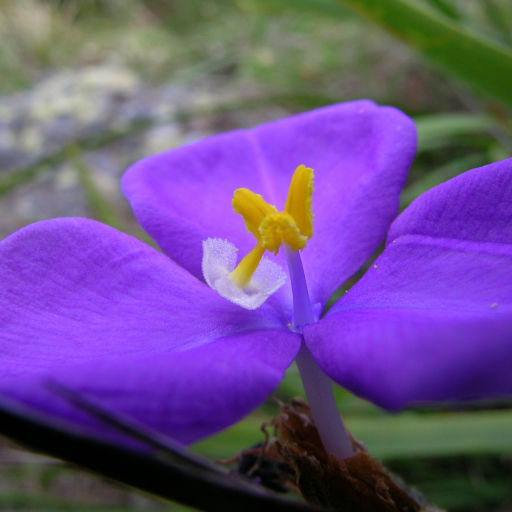
Often called the Silky Purple Flag, this Australian native is like a piece of delicate purple origami dropped into the wild bushland. A member of the Iris family, it is famous for its crinkled, paper-like petals that seem to glow when caught in the morning light. It is a resilient survivor, often found brightening up coastal heaths and dry sclerophyll forests across Eastern Australia.
🔍 How to Identify
- 💜 The Bloom: Look for three large, rounded petals of a deep violet or purple color. They have a distinct "creased" texture, almost like crumpled silk.
- ⚔️ The Foliage: The leaves are stiff, sword-shaped, and grow in a fan-like arrangement. They are usually a grayish-green color and can reach up to 50cm in height.
- 🧶 Silky Base: The "Silky" in its name comes from the dense, fine white hairs found at the base of the leaves and on the young flower bracts.
🏡 In Your Garden
- 🌱 Root Stability: Like many native Irises, it possesses a sensitive root system and a deep taproot. This makes it incredibly drought-tolerant once established, but it also means it "hates" being moved—pick its permanent home carefully!
- ☀️ Sun & Soil: It thrives in well-drained, sandy, or gravelly soils. While it loves full sun, it appreciates a bit of afternoon shade in extremely hot climates to prevent the delicate petals from scorching.
- 🐝 Pollinator Magnet: It is a favorite for native Australian bees and hoverflies, making it an excellent choice for a biodiversity-focused garden.
⚠️ Safety & Toxicity
- ✅ Status: Generally considered non-toxic.
- 🧤 Leaf Edges: While not poisonous to pets or children, the long, thin leaves are quite fibrous and stiff. They aren't sharp enough to cut like a knife, but they can cause a "paper cut" sensation if pulled through a closed hand too quickly.
✨ Fun Fact
Each individual flower on the Silky Purple Flag lasts for only one day. It opens in the morning and collapses by dusk, but because the plant produces a succession of buds, the purple display can continue for several weeks during the spring!

Detailed Care Instructions
To grow Patersonia Sericea, also known as the purple flag lily, you can follow these steps:
- Climate and Location: Patersonia Sericea is native to Australia and thrives in warm temperate to subtropical regions. It prefers a sunny to partly shaded location with well-draining soil.
- Soil Preparation: Prepare the soil by removing any weeds, rocks, or other debris. Loosen the soil and add organic matter, such as compost or well-rotted manure, to improve fertility and drainage.
- Planting: You can either sow seeds or plant rhizomes (fleshy underground stems). If planting from rhizomes, dig a hole slightly deeper and wider than the rhizome. Place the rhizome in the hole, ensuring the top is level with the soil surface. Fill the hole with soil, gently firming it around the rhizome.
- Watering: After planting, water the Patersonia Sericea thoroughly to help establish the roots. Once established, it generally requires less frequent watering, as it is adapted to drier conditions. However, during prolonged dry periods, it may benefit from regular watering.
- Mulching: Apply a layer of organic mulch around the base of the plants to suppress weeds, retain moisture, and regulate soil temperatures. Avoid mulching directly around the rhizomes to prevent rot.
- Fertilization: Patersonia Sericea generally does not require heavy feeding. However, you can apply a slow-release fertilizer, such as a balanced organic fertilizer, once a year in early spring.
- Maintenance: Remove any spent flowers to encourage continued blooming. Regularly check for pests or diseases and take appropriate measures as needed.
- Division: Over time, the clumps of Patersonia Sericea may become overcrowded. You can divide the plants every few years in early spring to maintain their vigor. Dig up the clump and separate the rhizomes, ensuring each division has several healthy shoots. Replant the divisions in suitable locations.
Keep in mind that Patersonia Sericea may take some time to establish and bloom. Be patient and provide the necessary care, and you should be able to enjoy the beautiful purple flowers of this plant.

To irrigate this plant, it is recommended to first understand its specific watering needs. This can be achieved by researching the plant's natural habitat and environmental preferences. Once this information has been obtained, it is important to ensure that the soil is moist, but not waterlogged. Overwatering can lead to root rot and other problems. Watering should be done consistently, but with moderation. It is often better to water deeply and infrequently than to water shallowly and frequently. This will encourage deep root growth and minimize the risk of fungus and other diseases. Additionally, it is important to use good quality water that is free from pollutants and chemicals that can harm the plant's health. Overall, successful irrigation requires careful observation, patience, and a willingness to experiment until the ideal watering routine is discovered.
The Patersonia sericea plant should be fertilized in the spring and summer months with a balanced fertilizer. Apply a slow-release granular fertilizer around the base of the plant and water it in thoroughly. Avoid over-fertilizing, as this can lead to excessive growth and reduced flowering. It is best to follow the instructions on the fertilizer packaging for the appropriate amount to apply based on the size of the plant.
Patersonia Sericea plant prefers well-draining and slightly acidic soil with a pH level of 5.5 to 6.5. The ideal soil type should be sandy, loamy, and rich in organic matter to ensure proper growth and development. Avoid using heavy clay soil that can retain excess moisture and cause root rot. It is recommended to mix the soil with coarse sand to improve drainage and airflow. Additionally, adding organic fertilizers such as compost or aged manure can provide vital nutrients to the plant. Ensure the soil is moist but not waterlogged, as overwatering can cause damage to the roots.
Propagation of this plant can be done through division of the rhizomes or by planting the seeds. When dividing the rhizomes, it is important to ensure that each division has at least one healthy shoot and root system attached. The divided rhizomes can then be planted at the same depth as the original plant and given adequate watering. For propagating from seeds, it is recommended to sow the seeds in a well-draining soil mix. The seeds can be covered by a thin layer of soil and kept moist until germination occurs. Once the seedlings have grown to a suitable size, they can be transplanted to their permanent location. It is also important to note that this plant thrives in areas with full sun to partial shade and requires regular watering and fertilization.








