Plant Overview
The tree so legendary that an entire country—Brazil—was named after it! Known as Brazilwood or Pernambuco, the Paubrasilia echinata was once the crown jewel of the Portuguese Empire due to the valuable red dye extracted from its heartwood. Today, it is a protected national symbol, cherished for its vibrant yellow blossoms and its historical role in the world of classical music.
🔍 How to Identify
- 🌵 Prickly Armor: The most striking feature is its trunk and branches, which are densely covered in sharp, conical thorns, giving it a rugged, "hedgehog" appearance.
- 🌿 Feathery Foliage: It sports bipinnate, compound leaves that look light and airy, almost like a fern, which contrast beautifully against the heavy, spiked wood.
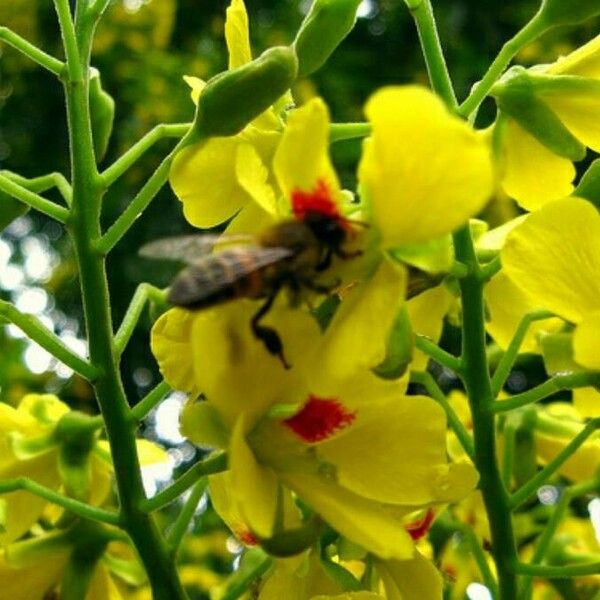
- 🌼 Flashy Flowers: The tree produces clusters of bright yellow, fragrant flowers, each featuring a single "honey guide" petal marked with a distinct blood-red spot.
🏡 In Your Garden
- ⏳ Patience is Key: This is a slow-growing hardwood that focuses on density rather than height. It requires a permanent spot with plenty of room to mature, as its taproot system makes it very difficult to transplant once established.
- 🌊 Coastal Vibes: Coming from the Atlantic Forest, it thrives in high humidity and well-draining, sandy loam. It loves the sun but appreciates protection from harsh, drying winds that can damage its delicate leaflets.
⚠️ Safety & Toxicity
- ⚔️ Physical Hazard: While the plant is not known to be chemically toxic to humans or pets, the thorns are incredibly sharp and sturdy.
- 🚶 Placement Matters: Ensure it is planted away from walkways or play areas, as the spines can easily snag clothing or scratch curious pets and children.
✨ Fun Fact
For over 200 years, Paubrasilia echinata has been the world’s most sought-after wood for making high-quality violin bows. Its unique combination of density, flexibility, and ability to hold a curve makes it irreplaceable for professional musicians.

Detailed Care Instructions
| Humidity | Dry |
| Lighting | Part Sun |
| Difficulty | Medium |
| Hibernation | Cold Period |
| Hardiness Zones | 10 - 12 |
To grow Paubrasilia Echinata (also known as Pau-Brasil or Brazilian Rosewood), follow these steps:
- Obtain seeds or seedlings: You can either collect seeds from mature Pau-Brasil trees or purchase them from a reputable supplier. Alternatively, you can get seedlings from a nursery or specialized plant seller.
- Prepare the soil: Pau-Brasil prefers well-draining soil with a pH level between 5.5 and 6.5. Amend the soil by adding organic matter, such as compost, to improve its fertility and drainage.
- Planting: If using seeds, soak them in warm water for 24-48 hours to soften the seed coat and improve germination. Plant them in the prepared soil, ensuring they are covered with a layer of soil about 2-3 times their thickness. If using seedlings, dig a hole deep and wide enough to accommodate the roots.
- Watering: Water the newly planted seeds or seedlings thoroughly and keep the soil moist but not waterlogged. Regular watering is essential until the plants become established.
- Sunlight: Pau-Brasil requires full sun to grow properly. Choose a location that receives at least six hours of direct sunlight each day.
- Mulching: Apply a layer of organic mulch around the base of the plant to retain moisture, suppress weed growth, and protect the roots.
- Maintenance: Regularly remove weeds from around the plant to avoid competition for nutrients and water. Prune any damaged or diseased branches to promote healthy growth.
- Fertilization: Apply a balanced organic fertilizer yearly during the growing season to provide essential nutrients to the plant.
- Pest and disease control: Inspect your plant regularly for pests like aphids, scale insects, or spider mites. Treat any infestations promptly using organic insecticides or natural pest control methods. Also, monitor for diseases such as root rot and treat them as necessary.
- Patience: Growing Pau-Brasil can be a slow process, and it may take several years for the plant to reach maturity. Be patient with your plant and provide the necessary care and attention.
Remember that Pau-Brasil is an endangered species and protected by law in its native habitat. Always ensure that you choose legal and sustainable sources for seeds or seedlings, and consider growing it only if you can provide a suitable environment for its long-term growth.

Place in a bright room that is sun drenched almost all day. Or directly in a south-facing window.

Paubrasilia Echinata is a tropical plant, native to the Atlantic Forest in Brazil. When watering this plant, it is important to keep its specific needs in mind to ensure its optimal growth and health.
1. Soil Moisture Requirements: The paubrasilia echinata prefers a moist but well-drained soil. Before watering, it is crucial to check the moisture level of the soil. Insert your finger about 2 inches into the soil, and if it feels dry, it is an indication that the plant needs water.
2. Watering Frequency: The frequency of watering your paubrasilia echinata can vary depending on various factors such as temperature, humidity, and season. Generally, it is recommended to water the plant deeply but less frequently. This means giving a thorough watering until the water drains out of the pot's drainage holes and then allowing the top few inches of the soil to dry out before the next watering session.
3. Watering Technique: When watering the paubrasilia echinata, it is essential to water at the base of the plant, avoiding foliage as much as possible. This helps prevent issues such as leaf rot and fungal diseases. Pour water slowly and evenly around the base of the plant until the soil is thoroughly saturated.
4. Water Quality: The paubrasilia echinata plant prefers slightly acidic to neutral water with a pH level between 6 and 7. To provide the best watering conditions, it is recommended to use filtered or distilled water instead of tap water, as tap water can contain chemicals and minerals that may be harmful to the plant in the long term.
5. Seasonal Adjustments: During the growing season, which is typically in spring and summer, the paubrasilia echinata may require more frequent watering due to increased evaporation and higher temperature. However, in the dormant season (fall and winter), the watering frequency should be reduced to avoid overwatering and root rot.
6. Drainage Considerations: Proper drainage is crucial for the health of the paubrasilia echinata plant. Ensure that the pot or planting location has adequate drainage holes and is filled with a well-draining soil mix to prevent waterlogging. Excess water should be able to freely drain away to avoid water accumulation around the roots.
Remember that these watering guidelines are general recommendations. Always observe the specific needs of your paubrasilia echinata plant and adjust watering accordingly to ensure its well-being.
Fertilizing instructions for Paubrasilia Echinata plant:
- Begin fertilizing your Paubrasilia Echinata plant after it has established a healthy root system, usually after 6-12 months of growth.
- Choose a balanced, slow-release fertilizer with a ratio of macro-nutrients like nitrogen (N), phosphorus (P), and potassium (K), such as a 10-10-10 or 14-14-14 NPK formulation.
- Apply the fertilizer according to the manufacturer's instructions. Generally, sprinkle the recommended amount evenly around the base of the plant, taking care not to place it directly on the stem or foliage.
- Water the plant thoroughly after fertilization to help the nutrients penetrate the soil and reach the roots.
- Fertilize your Paubrasilia Echinata plant once every two to three months during the growing season, typically from spring to early fall. Reduce or stop fertilization during the plant's dormant period in winter.
- Monitor the plant's response to fertilization. If you notice signs of over-fertilization, such as burnt foliage or excessive growth, reduce the frequency or amount of fertilizer used.
- Avoid fertilizing excessively, as it can lead to nutrient imbalances, root damage, or environmental pollution. Always follow the recommended dosage and guidelines for your particular fertilizer product.
- Consider using organic fertilizers or compost instead of synthetic ones to promote long-term soil health and minimize environmental impacts.
- Regularly assess the nutritional needs of your Paubrasilia Echinata plant by observing its growth and health. Adjust the fertilization regimen accordingly to ensure its optimal well-being.
- Lastly, remember to always read and follow the instructions on your chosen fertilizer product for the best results and taking into account the specific requirements of your Paubrasilia Echinata plant.
When cultivating Paubrasilia Echinata, it is essential to select the appropriate type of soil that meets the plant's specific requirements. The soil should ideally have a well-draining characteristic that allows excess water to flow away, preventing waterlogging and root rot. A loose and aerated soil structure is also preferable to enhance root development and nutrient absorption.
Paubrasilia Echinata thrives best in moderately acidic to neutral soil conditions, ideally with a pH range of 5.5 to 7.0. The soil should be rich in organic matter to promote healthy growth and provide necessary nutrients to the plant. Incorporating compost or well-rotted manure into the soil prior to planting can greatly enhance its fertility and texture.
In terms of texture, a loamy soil with an ideal balance of sand, silt, and clay particles is beneficial for Paubrasilia Echinata. Loamy soil retains adequate moisture while allowing excess water to drain away, facilitating proper root hydration without causing waterlogging.
Additionally, it is crucial to ensure that the soil is well-drained to prevent the accumulation of stagnant water, which can lead to root infections and plant decline. This can be achieved by incorporating materials such as gravel or sand into the soil mixture or selecting a planting location with good natural drainage.
Regularly monitoring the soil moisture content is essential to prevent under or overwatering. Paubrasilia Echinata requires consistent, moderate soil moisture levels, typically allowing the top layer of soil to dry out slightly before watering again. Mulching around the plant can help retain soil moisture, regulate temperature, and control weed growth.
Overall, selecting well-draining, moderately acidic to neutral, nutrient-rich, and loamy soil will provide an optimal environment for the healthy growth and development of Paubrasilia Echinata.
To propagate Paubrasilia Echinata plants, you can follow these steps:
- Collect Seeds: Look for mature seed pods on the mother plant. The seed pods usually turn brown or black and start to crack open when ripe. Wear gloves when handling them, as they are often sharp and contain toxic compounds.
- Extract Seeds: Open the seed pods carefully and collect the seeds. Remove any remaining pulp or debris. Clean the seeds with water to remove any impurities.
- Prepare the Growing Medium: Create a suitable growing medium by mixing equal parts of peat moss and perlite. Moisten the mixture with water until it reaches a slightly damp consistency.
- Sow the Seeds: Fill small pots or seed trays with the prepared growing medium. Place one or two seeds on the surface of the soil in each pot, and lightly press them into the soil. Cover the seeds with a thin layer of the moist growing medium.
- Provide Suitable Conditions: Place the pots or trays in a warm and humid environment. Ideally, the temperature should be around 77-86°F (25-30°C). A greenhouse or a covered propagation tray can help maintain the necessary conditions.
- Maintain Moisture: Ensure that the growing medium remains consistently moist but not waterlogged. Check the moisture levels regularly and mist the surface with water if needed.
- Monitor Germination: Germination may take several weeks to a few months. Be patient and provide adequate care during this phase. Keep the pots or trays covered to retain moisture and create a mini greenhouse effect.
- Transplanting: Once the seedlings have grown a few sets of true leaves, they can be transplanted into individual pots filled with well-draining potting soil. Handle the young plants gently to avoid damaging their delicate roots.
- Provide Optimal Growing Conditions: Place the transplanted seedlings in a bright and warm location, preferably receiving indirect sunlight. Avoid exposing them to harsh direct sunlight, as it can scorch their tender foliage.
- Regular Care: Water the seedlings appropriately, keeping the soil evenly moist. Avoid overwatering, as it can cause root rot. Apply a balanced fertilizer every few weeks to promote healthy growth.
By following these steps, you can successfully propagate Paubrasilia Echinata plants from seeds and nurture them into mature plants.








