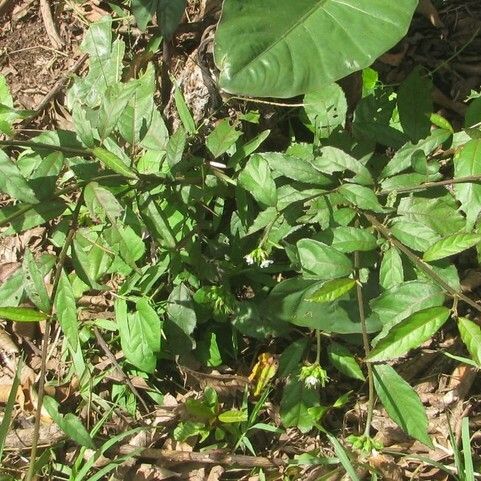
Plant Overview
Known to many as the Pineapple Pavonia or Broadleaf Pavonia, this tropical beauty brings the lush atmosphere of the Central American rainforest into your home. A member of the Hibiscus family, it is prized for its unusual "shrimp-like" flower clusters that seem to emerge tucked within colorful, star-shaped leaves. It is a hidden gem for indoor gardeners looking for something more exotic than a standard houseplant.
🔍 How to Identify
- 🍃 Leaf Texture: Features dark green, lance-shaped leaves with distinct serrated edges and a slightly textured, leathery feel.
- 🌸 The "Flower": The true flowers are small, white, or pale pink petals that peek out from large, vibrant pinkish-red bracts (modified leaves).
- 🌿 Growth Habit: A low-growing, evergreen shrub that typically stays compact, making it perfect for tabletops or humid terrariums.
🏡 In Your Garden
- ☁️ Understory Logic: Because it naturally grows on the rainforest floor, it thrives in dappled shade. If the leaves start to look bleached or brown at the edges, it is likely getting too much direct sunlight.
- 💧 The Humidity Factor: This plant is a humidity lover. It struggles in dry, air-conditioned rooms, so it performs best when grouped with other plants or placed on a pebble tray to mimic its tropical origins.
- 🪴 Soil Preference: It prefers a "thirsty but breathable" medium. Use a peat-based mix that stays moist but never soggy, as its fine roots are sensitive to standing water.
⚠️ Safety & Toxicity
- ✅ Status: Generally non-toxic.
- 🐾 Details: Pavonia fruticosa is considered safe for households with curious cats, dogs, or small children. However, as with any ornamental plant, keep it out of reach to prevent accidental choking or mild digestive upset from leaf ingestion.
✨ Fun Fact
Despite its delicate appearance, the Pavonia genus was named in honor of José Antonio Pavón Jiménez, a famous 18th-century Spanish botanist who braved the rugged landscapes of Peru and Chile to document thousands of new plant species.

Detailed Care Instructions
To grow Pavonia Fruticosa, also known as the Brazilian Rockrose or Pavonia malvaceae, follow these steps:
- Climate and Sunlight: Pavonia Fruticosa thrives in warm tropical or subtropical climates. It requires full sun to partial shade. Ensure that the plant receives at least 6-8 hours of sunlight daily.
- Soil: The plant prefers well-draining soil. Amend the soil with organic compost or well-rotted manure to improve fertility and drainage.
- Planting: Select a location with enough space for the plant to grow and spread. Dig a hole that accommodates the plant's root ball. Gently place the plant, ensuring the top of the root ball is level with the soil surface. Space multiple plants around 2-3 feet apart.
- Watering: Water the plant initially to settle it into the soil. Pavonia Fruticosa prefers slightly moist soil, so water regularly but avoid overwatering. Allow the top layer of soil to dry slightly before the next watering.
- Mulching: Apply a layer of organic mulch around the base of the plant to help retain moisture, regulate soil temperature, and suppress weed growth.
- Fertilization: Use a balanced organic fertilizer or slow-release granules for flowering plants during the growing season. Follow the instructions on the packaging for correct dosage and application.
- Pruning: Regularly prune the plant to maintain its shape and stimulate bushier growth. Prune any dead or damaged branches and trim the plant to the desired size after flowering.
- Propagation: Propagate Pavonia Fruticosa through stem cuttings. Take 4-6 inches long cuttings from the terminal end of healthy branches, remove the lower leaves, dip the cut end in a rooting hormone if desired, and plant them in moist potting soil or a propagation tray. Keep the soil consistently moist until roots develop.
- Pests and Diseases: Pavonia Fruticosa is generally resistant to pests and diseases. However, keep an eye out for common plant pests like aphids or whiteflies and treat them with suitable insecticides if necessary.
- Overwintering: In colder climates, Pavonia Fruticosa may not tolerate freezing temperatures. Consider bringing the plant indoors or protecting it with frost cloth or mulch during the winter months.
By following these guidelines, you can help your Pavonia Fruticosa plant grow and thrive.

Place in a bright room that is sun drenched almost all day. Or directly in a south-facing window.

To water this particular plant, you should water it evenly and deeply, making sure that the soil is consistently moist but not waterlogged. It is important to avoid getting water on the leaves of the plant, and to allow the top inch of soil to dry out slightly before watering again. Additionally, it is best to water in the morning or evening to avoid excessive evaporation. Pay attention to the plant's response to watering and adjust the watering schedule accordingly.
To fertilize this plant, use a balanced fertilizer with equal levels of nitrogen, phosphorus, and potassium. Apply the fertilizer every three months during the growing season, which is typically from spring to fall. Make sure to water the plant thoroughly before and after applying fertilizer. Do not over-fertilize as it can result in leaf burn or damage to the roots.
For optimal growth and health, Pavonia Fruticosa plant should be planted in well-draining soil that is rich in organic matter. The ideal pH range for the soil should be between 5.5 and 7.5. The soil should also be moist but not waterlogged, as the plant is sensitive to root rot. Adding perlite or sand to the soil mix can help improve drainage. The plant also benefits from regular fertilization with a balanced, all-purpose fertilizer. It is important to avoid using soil that has been contaminated with pesticides or herbicides, as this can harm the plant.
To propagate this plant, take a cutting from a healthy mature plant. Choose a stem that is straight and free of any damage. The cutting should be around 6 inches in length, and should include at least two sets of leaves. Remove the leaves from the bottom half of the stem.
Dip the cut end of the stem in rooting hormone, and then place it in a pot filled with moist potting soil. Water the cutting well, and then cover it with a clear plastic bag or glass jar to create a mini greenhouse. Place the pot in a warm, brightly lit area, but keep it out of direct sunlight.
Water the cutting regularly to keep the soil moist, but not soaking wet. After a few weeks, check for roots by gently tugging on the cutting. If there is resistance, then roots have started to grow. Once the plant has established roots, remove the plastic bag or jar and move the plant to a sunny location.
Continue to water the plant regularly and fertilize every few weeks. With proper care, the plant will continue to grow and thrive.








