Plant Overview
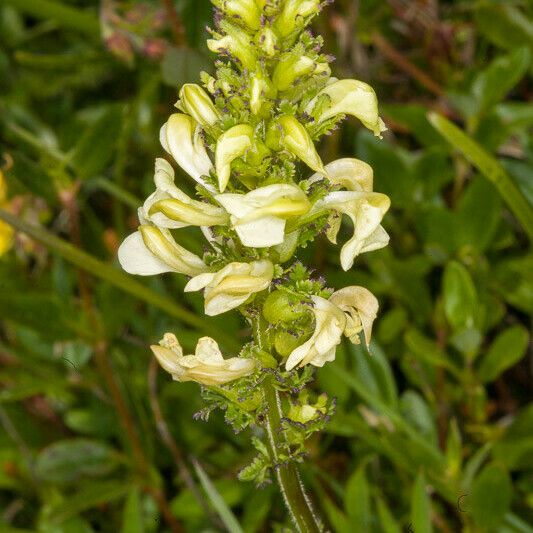
Known as the Long-beaked Lousewort, Pedicularis elongata is a high-altitude gem often found hugging the rocky slopes of the European Alps and Apennines. While it looks like a delicate, sunny wildflower, it hides a secret "pirate" lifestyle beneath the soil. Its bright yellow spikes are a favorite sight for mountain hikers and pollinators alike.
🔍 How to Identify
- 🌼 The "Beaked" Blooms: The most striking feature is the lemon-yellow flower. The upper part of the petal curves forward into a distinct, elongated "beak" that gives the plant its name.
- 🌿 Fern-like Foliage: Its leaves are deeply lobed and feathery, resembling small fern fronds. They often have a slightly purplish tint when exposed to intense mountain sunlight.
- 📏 Upright Growth: It typically grows in a sturdy, upright spike, standing anywhere from 10 to 40 centimeters tall, popping out vividly against the green alpine grass.
🏔️ Habitat & Ecology
- 🏴☠️ A Hemi-Parasitic Nature: This plant is a "partial parasite." While its green leaves can make food from the sun, its roots actively seek out neighboring plants (like grasses) to steal extra water and minerals. Because of this complex relationship, it is almost impossible to "tame" or transplant into a standard garden.
- ❄️ Mountain Specialist: You’ll rarely find this plant at sea level. It thrives in calcareous (lime-rich) soils and is adapted to the short, intense growing seasons of subalpine meadows where the air is thin and the winters are long.
⚠️ Safety & Toxicity
- 🐾 Low to Moderate Risk: Like many members of the Orobanchaceae family, it contains iridoid glycosides. While not considered "deadly," it can cause digestive upset if ingested by pets or humans.
- 🧤 Skin Safety: The plant is generally safe to touch. However, because it grows in fragile ecosystems, the best practice is to "take only pictures" to avoid damaging its sensitive root connections to host plants.
✨ Fun Fact
The name "Lousewort" comes from an ancient, mistaken belief among farmers that livestock grazing on these plants would become infested with lice. In reality, the plants simply grew in the same damp, buggy pastures where lice thrived, and the poor flower took the blame!

Detailed Care Instructions








