Plant Overview
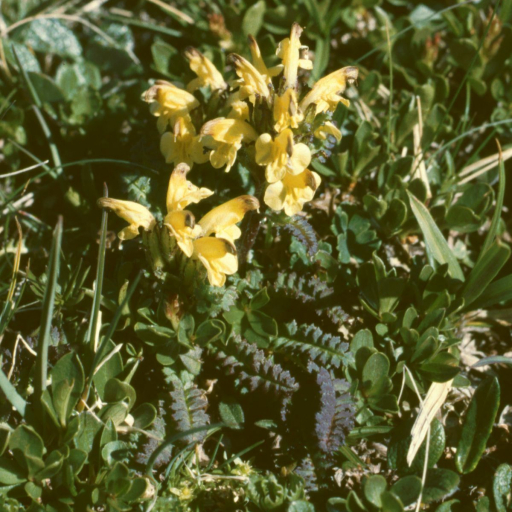
Known as the Oeder's Lousewort or the Crimson-tipped Lousewort, this striking alpine beauty is a master of survival in some of the world's harshest environments. Named after the Norwegian botanist Georg Christian Oeder, it is often found decorating the high-altitude tundras and rocky slopes of the Northern Hemisphere. With its vibrant bicolor blooms, it looks less like a common wildflower and more like a delicate piece of royal jewelry tucked into the permafrost.
🔍 How to Identify
- 👑 The Bicolor Bloom: The flowers are the most distinct feature, appearing in a dense spike. Each flower is pale yellow with a vivid, dark crimson or purple "beak" at the top of the petal.
- 🌿 Fern-like Foliage: Its leaves are mostly basal (growing from the base) and are deeply lobed and toothy, bearing a strong resemblance to miniature fern fronds.
- 📏 Compact Stature: Because it lives in windy, exposed areas, it stays low to the ground, usually reaching only 4 to 8 inches in height.
🏡 Habitat & Ecology
- 🏔️ The Alpine Specialist: You won’t find this plant in a typical backyard garden. It thrives in moist, mossy tundra, alpine meadows, and rocky crevices where the air is cool and the soil is damp from melting snow.
- 🤝 The Hidden Thief: Like other Louseworts, this plant is "hemi-parasitic." While it can produce its own energy through photosynthesis, it often attaches its roots to the roots of neighboring grasses or sedges to steal extra water and nutrients. This makes it very difficult to transplant or grow from seed without its specific "host" neighbors.
⚠️ Safety & Toxicity
- 🐾 Non-Toxic but Untasty: There are no records of Pedicularis oederi being highly toxic to humans or pets, but it is not considered edible.
- 🧴 Historical Myths: The name "Lousewort" comes from an old European superstition that cattle or sheep grazing on these plants would become infested with lice. While we now know this isn't true, the name has stuck for centuries.
✨ Fun Fact
Oeder's Lousewort is often referred to as a "Belly Plant" by hikers and botanists. This is because the plant is so small and grows in such rugged, windy terrain that you often have to get down on your belly to truly appreciate the intricate details of its crimson-tipped flowers!

Detailed Care Instructions

Place in a bright room that is sun drenched almost all day. Or directly in a south-facing window.

Some plants require more regular watering than others, which should be done every few days. It's critical to maintain the soil moist all of the time. The water requirements of the same plant placed in pots with varying sizes will differ. Because the water in the smaller pot evaporates faster than the water in the larger pot, it will require more watering. Regardless of pot size, the surface should constantly be maintained moist.








