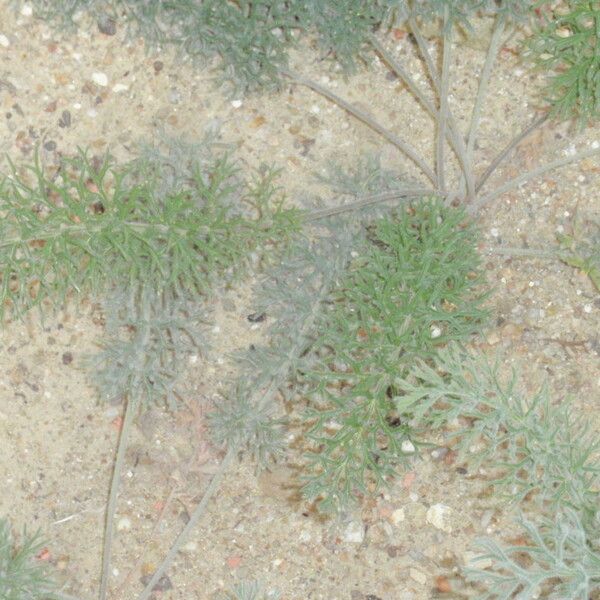
Plant Overview
Known as the Fringed Pelargonium, Pelargonium bowkeri is one of the most ethereal members of the geranium family. Native to the grassy slopes of South Africa, this plant looks less like a common garden flower and more like a collection of delicate Victorian lace. It is a geophyte, meaning it grows from a thick, underground tuber, allowing it to survive harsh conditions by retreating beneath the soil.
🔍 How to Identify
- 🪶 Fringed Flowers: The most striking feature is the petals, which are deeply divided into fine, hair-like fringes. They usually appear in shades of pale yellow, greenish-cream, or tinged with a moody purple-brown.
- 🥕 Feathery Foliage: Unlike the broad, round leaves of common geraniums, this species has finely dissected, gray-green leaves that resemble carrot tops or delicate ferns.
- 🥔 Tuberous Base: At the soil line or just beneath it, the plant develops a woody, thickened tuber (caudex) which stores water and nutrients.
🏡 In Your Garden
- 🏜️ Drainage is Vital: Because this plant originates from rocky, well-drained grasslands, it is highly susceptible to root rot. Use a gritty, succulent-style potting mix and avoid heavy clay soils that hold onto "wet feet."
- 💤 The Dormancy Dance: This plant follows a specific seasonal cycle. When the leaves begin to yellow and die back, it is entering its dormant phase. During this time, stop watering almost entirely; the tuber is resting and extra moisture will cause it to turn to mush.
- ☀️ Light Needs: It thrives in bright, indirect light or soft morning sun. In extremely hot climates, provide some afternoon shade to prevent the delicate, feathery leaves from scorching.
⚠️ Safety & Toxicity
- 🐾 Pet Warning: Like many members of the Pelargonium genus, it contains geraniol and linalool. These can be mildly toxic to dogs and cats if ingested, potentially causing vomiting or skin irritation.
- 👶 Human Safety: Generally safe to handle, though individuals with sensitive skin might experience mild contact dermatitis from the essential oils in the leaves. It is best kept out of reach of curious toddlers.
✨ Fun Fact
The fringed, pale-colored flowers are a biological "signpost" for night-flying moths. The light colors reflect moonlight, and the delicate fringes help disperse a subtle scent into the evening air to guide pollinators directly to the nectar!

Detailed Care Instructions
To grow Pelargonium Bowkeri, also known as the wild pelargonium or cattle pelargonium, you can follow these steps:
- Select the right location: Pelargonium Bowkeri prefers full sun and well-draining soil. Choose a spot in your garden or a container where it can receive at least 6-8 hours of direct sunlight daily.
- Prepare the soil: Ensure the soil is well-draining. If your soil retains too much moisture, consider adding sand or perlite to improve its drainage. You can also mix organic matter, such as compost or aged manure, to enrich the soil.
- Planting: If you are starting from seeds, sow them in a seed-starting tray or small pots filled with a well-draining soil mix. Cover the seeds lightly with soil and provide moisture. Keep the soil consistently moist until germination occurs, which usually takes around 1-2 weeks. Once the seedlings have grown a few inches tall, transplant them into larger pots or your prepared garden bed, spacing them about 12-18 inches apart.
- Watering: Pelargonium Bowkeri prefers moderate watering. Water the plants when the top inch of the soil feels dry, keeping in mind that it is better to underwater than overwater. Avoid getting the leaves wet to prevent diseases.
- Fertilization: Feed the plants with a balanced fertilizer once a month during the active growing season, which is usually from spring to fall. Follow the recommended dosage provided on the fertilizer packaging.
- Pruning: Prune your Pelargonium Bowkeri regularly to maintain its shape and encourage bushier growth. Pinch off any dead or faded blooms to promote continuous flowering.
- Pests and diseases: Monitor your plants regularly for pests like aphids, spider mites, or whiteflies. If you notice any damage or infestation, treat accordingly using organic insecticides or homemade remedies. Pelargonium Bowkeri is generally resistant to most diseases but can occasionally develop root rot if overwatered.
- Overwintering: Pelargonium Bowkeri is considered a tender perennial and may not tolerate frost. If you live in a region with cold winters, bring your plants indoors or provide protection by covering them with a frost blanket. Alternatively, you can treat it as an annual and replant new plants each year.
By following these steps, you should be able to grow Pelargonium Bowkeri successfully and enjoy its beautiful flowers.
In order to properly water this type of plant, it is important to first take into consideration the environment it is being grown in. The amount of water needed may vary depending on factors such as temperature, humidity, and soil composition.
When determining how much water to give the plant, it is helpful to check the soil moisture level by inserting a finger into the soil at a depth of about 1 inch. If the soil feels dry, it is typically time to water the plant.
To water the plant, gently pour water over the soil until it begins to drain out of the drainage holes at the bottom of the container. It is important not to overwater the plant, as this can lead to root rot and other issues.
It is typically recommended to water this type of plant once a week, though this may vary depending on environmental factors and individual plant needs. It is also important to allow the soil to dry out slightly between waterings, as this can help prevent overwatering and associated issues.
To fertilize this plant, first choose a balanced fertilizer with equal amounts of nitrogen, phosphorus, and potassium. Dilute the fertilizer to half strength, and apply it to the soil around the base of the plant every two weeks during the growing season. Be careful not to get the fertilizer on the leaves or flowers, as this can burn them. Water the plant thoroughly after fertilizing to help the nutrients soak into the soil. Avoid fertilizing during the dormant season, as the plant does not need as much nutrients during this time.
Pelargonium Bowkeri is a type of plant that requires a well-draining soil mix that is slightly acidic. The ideal soil mix is composed of peat moss, perlite, and vermiculite in a 1:1:1 ratio. This soil mix provides adequate drainage, helps to retain moisture, and also allows for good aeration and root growth. It is important to avoid using heavy soils that can cause waterlogging and root rot. Additionally, adding a slow-release fertilizer to the soil mix can help to ensure that the plant has access to the necessary nutrients for healthy growth.
Pelargonium Bowkeri is a plant that can be propagated quite easily, and there are several ways to do it. One method is by using stem cuttings, which can be taken from the mother plant in the spring or summer. To do this, you should select a healthy stem that is at least 4 inches long and has some leaves on it. Using a sharp, clean pair of scissors or pruning shears, cut the stem just below a node or where it meets the main stem.
Next, remove any leaves from the bottom half of the stem, leaving only one or two at the top. This will help to reduce the amount of moisture loss through transpiration. Then, dip the cut end of the stem into a rooting hormone powder or gel, which will help to encourage root growth.
Once the stem has been coated in rooting hormone, plant it in a pot filled with a well-draining potting mix. Water the soil well, and then cover the pot with a plastic bag or dome to help create a humid environment. Place it in a bright, indirect light location, and keep the soil moist but not waterlogged.
After a few weeks, the cutting should start to develop roots, and new growth should also appear. Once the new plant has become established, it can be repotted into a larger container or moved outside if the weather is warm enough. With a little care and attention, Pelargonium Bowkeri will grow into a beautiful, vibrant plant that will bring color and life into your home or garden.








