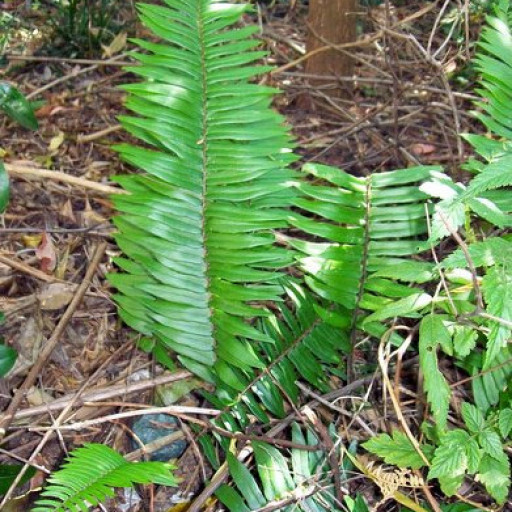
Plant Overview
Often called the Sickle Fern or Fern Aris, this Australian native is a rugged beauty that breaks the "ferns are fragile" stereotype. Unlike its drama-queen cousins that wilt at the first sign of dry air, Pellaea falcata is a hardy survivor often found clinging to rocky crevices and shaded forest floors. Its deep, moody green foliage adds a sophisticated, prehistoric aesthetic to any indoor plant collection or shaded garden nook.
🔍 How to Identify
- 🌿 The Fronds: It features long, arching fronds that can grow up to 18 inches, densely packed with neat rows of leaflets.
- 🗡️ Leaf Shape: Each individual leaflet (pinna) is distinctly shaped like a crescent moon or a miniature sickle, tapering to a soft point.
- 🌑 Color & Texture: The foliage is a very dark, matte green with a tough, leathery texture, which helps the plant retain moisture better than thin-leaved ferns.
🏡 In Your Garden
- ⛰️ The "Rock" Preference: In the wild, this fern thrives in rocky outcrops. In a home setting, this means it absolutely hates "wet feet." It requires a very well-draining potting mix and will suffer if left sitting in a saucer of water.
- 💧 Drought Tolerance: While it appreciates consistent humidity, it is surprisingly forgiving if you skip a watering. It is one of the few ferns that won't immediately collapse if the soil dries out slightly.
- ⛅ Light & Placement: It thrives in bright, indirect light. Because of its arching habit, it looks spectacular in a hanging basket or placed on a high shelf where the "sickles" can drape downward.
⚠️ Safety & Toxicity
- 🐾 Pet Assessment: Generally non-toxic. The Sickle Fern is considered a safe choice for households with curious cats and dogs.
- 👶 Human Safety: It is non-poisonous to humans. However, like any ornamental plant, ingesting the fronds may cause mild stomach upset, so it’s best kept out of reach of toddlers.
✨ Fun Fact
The specific epithet falcata is derived from the Latin word falx, which means "sickle." This is the same root word used for the "Falx," a terrifying curved blade used by ancient Thracian and Dacian warriors to reach around enemy shields!

Detailed Care Instructions
To grow Pellaea falcata, also known as the Sickle Fern or the Lemon Button Fern, you can follow these steps:
- Choose the right location: Pellaea falcata prefers bright, indirect light. It can tolerate low light conditions too, but it will thrive better with more light. Avoid direct sunlight as it can scorch the delicate fronds.
- Provide the right temperature and humidity: Pellaea falcata prefers moderate temperatures between 60-75°F (15-24°C). It also prefers high humidity levels, so misting the plant regularly or placing it on a tray with water and pebbles can help increase humidity levels.
- Watering: Keep the soil consistently moist, but avoid overwatering. Allow the top 1 inch of soil to dry out slightly between waterings. Use room temperature water to avoid shocking the plant. Pellaea falcata is sensitive to chemicals present in tap water, so using distilled or filtered water is recommended.
- Soil and potting: Choose a well-draining potting mix that retains moisture but doesn't become waterlogged. A mix of peat moss, perlite, and coarse sand or orchid bark can work well for this fern. Ensure that the pot has drainage holes to prevent water from accumulating at the roots.
- Fertilization: Feed the plant with a balanced, water-soluble fertilizer diluted to half strength. Apply the fertilizer every 4-6 weeks during the growing season (spring to summer). Avoid fertilizing during winter when the plant is dormant.
- Pruning: Pellaea falcata may occasionally produce fronds that turn brown or wilt. Remove these fronds promptly to maintain the plant's aesthetic appeal and prevent the spread of any diseases or pests.
- Propagation: Pellaea falcata can be propagated through spores or by division. To propagate by spores, collect mature spores and sow them on moist, finely textured potting mix. Cover the container with plastic to maintain humidity and place it in a warm location. Once the spores germinate into small plants, transfer them to individual pots. To propagate by division, carefully separate the plant into smaller sections, ensuring each section has roots attached, and repot them individually.
Remember to monitor the plant regularly for any signs of pests or diseases, such as spider mites or scale insects, and take appropriate measures to address them promptly. With proper care and attention to its specific requirements, your Pellaea falcata plant should grow and thrive.

Place in a window with dappled sun or a spot in the middle of a room. Or directly in a window facing west or east.

1. Location: The plant should be placed in an area that provides the appropriate amount of light and humidity, without direct exposure to harsh sunlight.
2. Watering Frequency: It is important to monitor the soil moisture and only water when the soil has become dry to the touch. Overwatering can lead to root rot and decrease the longevity of the plant.
3. Watering Quantity: When watering, thoroughly saturate the soil, allowing excess water to drain out of the bottom of the container. Avoid leaving standing water in the container as this can lead to fungal growth.
4. Watering Techniques: Use a watering can or hose with a gentle spray attachment to water the plant, being careful not to disturb the foliage. If possible, water the plant from below by placing the container in a shallow dish of water and allowing the soil to soak up the water from the bottom.
5. Seasonal Changes: Adjust watering frequency and quantity during different seasons, taking into consideration changes in temperature, humidity, and sunlight exposure. In general, the plant may require less water during cooler months and more during warmer months.
To fertilize this plant, use a balanced liquid fertilizer diluted to half strength every two weeks during the growing season. During the rest period, reduce fertilizer applications to once a month. Be sure to water the plant thoroughly before and after fertilizing.
Pellaea Falcata plant requires well-draining soil, which means you need to use soil that is not too compact and allows water to flow through easily. The soil should be rich in organic matter and have a pH level of 6.0 to 8.0, which is slightly acidic to neutral. You can use a mix of sandy loam, peat moss, and perlite to create a suitable soil mixture. Adding a slow-release fertilizer to the soil would also be beneficial for the plant's growth. Make sure to water the plant regularly but avoid overwatering, as it may lead to root rot.
To propagate this fern plant, you can use its spores or divide its rhizomes. To collect the spores, wait for the fern to produce fertile fronds, which are usually different in appearance from the sterile fronds. The fertile fronds will have spore cases on the undersides of the fronds. Collect these spores and sprinkle them on a sterile potting mix. Then, keep the soil moist and covered until the spores germinate.
To divide the rhizomes, remove the fern plant from its pot or garden bed. Gently separate the roots to find individual rhizomes. Cut the rhizomes apart into small sections, each with a few fronds and some roots. Pot each section into its own container with fresh potting soil and keep the soil moist until the plant establishes roots.
These methods allow you to create new plants from the original fern, either by growing spores or by dividing the plant's rhizomes.
Common pests of the sickle fern include Mealybugs, spider mites, aphids. Make a habit of checking your sickle fern frequently for pests so that any infestations can be caught and managed early.








