Plant Overview
Known as the "Kikuyu Grass," this vigorous East African native is the ultimate survivalist of the lawn world. Named after the Kikuyu people of Kenya, it was originally introduced to various continents for erosion control and pasture, but its "clandestinum" (hidden) nature refers to its tiny, almost invisible flowers that tuck away within the leaf sheaths. It is a favorite for high-traffic family yards because it heals itself at an astonishing speed.
🔍 How to Identify
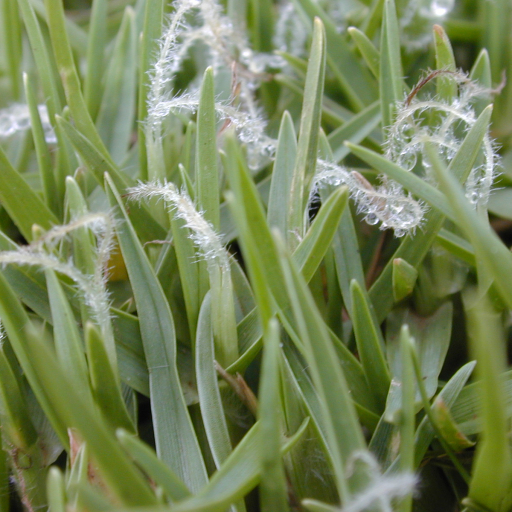
- 🌿 Leaf Texture: The blades are light green to yellow-green, slightly folded when young, and often covered with fine, soft hairs that give it a velvety feel.
- 🏃 Growth Habit: It spreads via thick, fleshy runners both above ground (stolons) and below ground (rhizomes), creating a dense, springy carpet.
- 🌸 Hidden Flowers: Unlike other grasses that send up tall seed heads, Kikuyu flowers are reduced to tiny white filaments that look like stray threads emerging from the leaf side.
🏡 In Your Garden
- 🚜 High Traffic Hero: This plant is incredibly resilient to "wear and tear." If your dogs or kids are constantly running in the same spot, Kikuyu will likely be the only grass to survive the marathon.
- ✂️ The Aggressive Traveler: Because it spreads through underground rhizomes, it is notorious for "jumping" over garden edgings. If you plant it, be prepared to trim the borders frequently to keep it from suffocating your flower beds.
- ☀️ Sun Seeker: It thrives in full sun and has a deep root system that helps it stay green during short droughts, though it will go dormant and turn brown during a hard frost.
⚠️ Safety & Toxicity
- ✅ Pet & Child Safe: Kikuyu grass is generally non-toxic and safe for dogs, cats, and children to play on.
- 🐄 Livestock Note: While safe for garden use, if grown in large pastures, it can sometimes accumulate high levels of nitrates or oxalates after a dry spell, which can be an issue for grazing horses or cattle.
- 🌱 Allergy Alert: Like most grasses, it can produce pollen during its peak growing season which may trigger hay fever in sensitive individuals.
✨ Fun Fact
Kikuyu grass is so resilient that it was famously used to grass the runways of some African airfields during World War II; its thick, matted roots provided a stable enough surface for light aircraft to land on!

Detailed Care Instructions
To grow Pennisetum clandestinum, also known as Kikuyu grass, follow these steps:
- Climate: Kikuyu grass is best suited for warm climates. It thrives in regions with temperatures between 75-85°F (24-29°C) and can tolerate both dry and humid conditions.
- Soil preparation: Prepare the soil by removing any weeds, rocks, or debris. Kikuyu grass prefers well-drained soil, so ensure it is loose and fertile. If your soil is heavy clay, consider mixing in some sand or organic matter like compost to improve drainage.
- Planting: Kikuyu grass is typically propagated from runners or plugs. Cut the runners into small sections, each with multiple nodes, or obtain plugs from a nursery. Plant them in the prepared soil at a depth of about 1 inch (2.5 cm), spacing them around 6-9 inches (15-23 cm) apart.
- Watering: After planting, water the area thoroughly to settle the soil and encourage root establishment. During the initial establishment period, which may take a few weeks, ensure the soil is consistently moist by regular watering. Once established, Kikuyu grass becomes quite drought-tolerant.
- Fertilization: Kikuyu grass can benefit from periodic fertilization. Apply a balanced fertilizer, containing nitrogen, phosphorus, and potassium, during the growing season to promote healthy growth. Follow the manufacturer's instructions for proper application and dosage.
- Mowing: Regular mowing is important to maintain a healthy Kikuyu grass lawn. Keep the grass at a height between 1.5-2.5 inches (3.8-6.4 cm) for aesthetic and maintenance purposes. Avoid cutting it too short, as it may stress the plants and result in patchy growth.
- Weed control: To prevent weed invasion, mow regularly and maintain the grass at a dense growth. Hand-pulling or spot-treating weeds when they appear can help keep the Kikuyu grass area weed-free.
- Maintenance: Kikuyu grass has an aggressive growth habit, spreading via runners. Regular maintenance includes edging garden beds and pathways to prevent the grass from encroaching into unwanted areas.
- Overseeding or replanting: Over time, Kikuyu grass may develop bare patches or thin areas. To rejuvenate the lawn, you can reseed or replant those areas by either using runners or plugs.
Remember to follow local regulations and guidelines regarding the planting and maintenance of Kikuyu grass, as it has the potential to become invasive in some regions.
To water this plant, you should first check the soil regularly to ensure it is moist but not waterlogged. It is important not to overwater as this can lead to root rot. Water deeply once or twice a week, depending on the climate and environment, and adjust the frequency as necessary based on the plant's water needs. Avoid watering during periods of heavy rainfall or when the soil is already wet, as this can cause waterlogging and damage the roots. It is also recommended to use a watering can or hose with a gentle spray nozzle to prevent disturbing the delicate leaves and stem of the plant.
To fertilize this plant, use a balanced, slow-release fertilizer in early spring and mid-summer. Use a granular or liquid formulation, and apply according to package instructions. Be careful not to over-fertilize, as this can lead to excessive foliage growth and reduced flower production. Additionally, consider using organic fertilizers, such as compost or aged manure, to improve soil health and nutrient availability. Water the plant thoroughly after fertilizing to ensure nutrients reach the roots.
The Pennisetum Clandestinum plant prefers a well-draining soil that is low in nutrients. Soil that is too rich in nutrients can actually harm the plant and cause it to grow less vigorously. A good option is sandy soil mixed with a small amount of organic matter, such as compost. Additionally, the plant prefers a slightly acidic soil with a pH level between 5.5 and 6.5. It is important to avoid clay soils or soils that are prone to waterlogging, as these can cause root rot and other issues. Overall, a lean, well-draining soil is best for supporting the growth and health of the Pennisetum Clandestinum plant.
In order to propagate the plant scientifically known as Pennisetum clandestinum, you can take stem cuttings and root them in water or soil. It is best to take cuttings in the spring or early summer when the plant is actively growing. Select a healthy stem that is at least 4-6 inches long and cut it with a sharp knife at a 45-degree angle.
Remove the lower leaves from the stem, leaving only a few leaves at the top. Dip the end of the stem in a rooting hormone powder to promote root growth. You can then plant the cutting in a pot of soil or place it in a jar of water and keep it in a bright, warm location.
Water the cutting as needed, being careful not to overwater it and cause root rot. After a few weeks, the cutting should develop roots and begin to grow new leaves. Once the new plant is well-established, you can transplant it into a larger pot or into your garden.








