Plant Overview
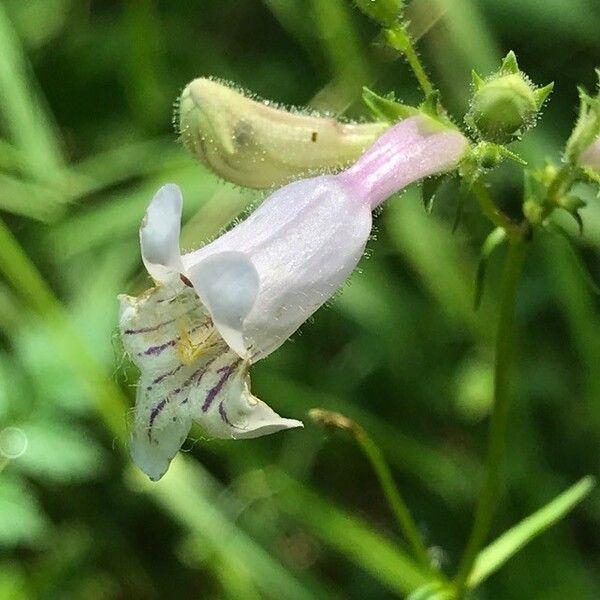
Known affectionately as the Southern Beardtongue, this resilient native of the American Southeast is a true highlight of the early summer landscape. It paints sandy pine woods and sunny garden borders with delicate shades of lavender, rose, and violet. Its whimsical name comes from the "staminode"—a fuzzy, sterile stamen that peeks out from its blossoms like a tiny, hairy tongue waiting to greet visiting bees.
🔍 How to Identify
- 🌸 Tubular Blooms: The flowers are distinctively bell-shaped or tubular, usually appearing in clusters at the top of the stem. They range from pale pink to deep violet, often featuring darker purple "nectar guide" lines inside to lead pollinators to the prize.
- 👅 The "Beard": If you look closely inside the flower, you will find a single sterile stamen covered in dense, yellowish or white hairs. This "bearded" feature is the hallmark of the Penstemon family.
- 🌿 Hairy Stems: Unlike some of its smoother cousins, Penstemon australis has stems and leaves that are often covered in fine, downy hairs (pubescence), giving the plant a soft, matte appearance.
🏡 In Your Garden
- 🦋 Pollinator Magnet: This plant acts as a high-traffic refueling station. It is a favorite of bumblebees and hummingbirds, who are perfectly shaped to dive deep into the tubular flowers for nectar.
- 🏜️ Sand Specialist: This species thrives where other plants struggle. It loves "lean" or poor, sandy soils and has excellent drought tolerance once established. It actually prefers a bit of neglect; over-fertilizing can lead to floppy stems and fewer flowers.
- 🌱 Drainage is Key: The quickest way to upset a Southern Beardtongue is "wet feet." Ensure your planting spot has sharp drainage, as heavy clay or standing water can lead to root rot during the winter months.
⚠️ Safety & Toxicity
- ✅ Safe Standing: Penstemon australis is generally considered non-toxic to humans, cats, and dogs. It is a safe, "worry-free" addition to a family-friendly garden.
- 🦌 Deer Resistant: While safe if nibbled, the fuzzy texture and bitter taste mean that deer and rabbits usually leave this plant alone in favor of tastier garden treats.
✨ Fun Fact
The genus name Penstemon is derived from the Greek words penta (five) and stemon (stamen). While most flowers in this family have four fertile stamens, the fifth one—the "beardtongue"—is sterile and serves only as a fuzzy landing pad for insects!

Detailed Care Instructions
To grow Penstemon australis, also known as the Scarlet Bugler or Red Penstemon, you can follow these steps:
- Climate: Ensure that you are in an appropriate hardiness zone, as Penstemon australis thrives in USDA zones 5 to 9. It prefers mild to cool climates with moderate rainfall.
- Sunlight: Choose a location that receives full sun to partial shade. Penstemons generally require at least six hours of direct sunlight per day.
- Soil: Plant the Penstemon australis in well-draining soil with a pH level between 6.0 and 8.0. Improve the soil quality by adding compost or organic matter to ensure good drainage.
- Planting: Dig a hole that is slightly larger than the root ball of the plant. Place the plant in the hole, making sure that the crown of the plant is level with the soil surface. Gently backfill the hole and firm the soil around the plant.
- Watering: Water the plant deeply immediately after planting to settle the soil around the roots. Thereafter, provide moderate water, allowing the soil to dry out between watering sessions. Overwatering can lead to root rot and other issues, so it's important to strike a balance.
- Mulching: Apply a layer of organic mulch around the base of the plant. This helps to conserve moisture, suppress weed growth, and regulate soil temperature.
- Fertilizing: Penstemon australis typically does not require heavy fertilization. However, you can apply a balanced slow-release fertilizer in early spring if desired. Follow the package instructions for the appropriate amount to use.
- Pruning: Deadhead spent flowers regularly to encourage the plant to produce more blooms. Additionally, cutting the plant back by about one-third in early spring can help maintain its shape and promote new growth.
- Pest and disease control: Penstemon australis is relatively resistant to pests and diseases. However, common issues may include aphids, powdery mildew, or rust. Monitor the plant regularly and address any problems promptly using appropriate organic or chemical controls if necessary.
- Propagation: Propagate Penstemon australis through stem cuttings or by dividing mature plants in early spring. Follow the specific instructions for the chosen propagation method to ensure successful results.
Remember to regularly monitor the plant's health, provide support if needed (such as stakes for taller varieties), and enjoy the stunning scarlet blooms that Penstemon australis produces throughout the summer months.

Place in a bright room that is sun drenched almost all day. Or directly in a south-facing window.

To water this plant, make sure to thoroughly soak the soil around the base of the plant. Avoid wetting the foliage as this can lead to disease. The plant requires moderate watering, meaning it should be watered when the top inch of soil feels dry to the touch. During periods of high heat or drought, the plant may require more frequent watering. It is important to provide good drainage to prevent waterlogged roots, but also ensure that the plant does not completely dry out. Use a watering can or hose to deliver water directly to the soil, taking care not to disturb the roots. Additionally, mulching around the base of the plant can help retain moisture in the soil.
To fertilize this plant, apply a balanced fertilizer with equal or nearly equal proportions of nitrogen, phosphorus, and potassium. Apply the fertilizer once in the spring and again in late summer or early fall. Use a slow-release fertilizer that will slowly release nutrients over time. Water the plant well before and after applying the fertilizer to help it absorb the nutrients. Be careful not to over-fertilize, as this can lead to too much growth and weaker stems.
The best type of soil to use with this plant is a well-draining soil that is rich in organic matter. It should have a pH level between 6.0 and 7.5. The soil should be kept moist but not waterlogged, as excessive moisture can cause root rot and other fungal diseases. Additionally, this plant prefers full sunlight and requires good air circulation to prevent fungal issues.
To propagate this plant, take stem cuttings in early summer and dip the ends in rooting hormone. Plant the cuttings in well-draining soil and water regularly. Keep the cuttings in a warm and bright area, but out of direct sunlight. Once roots have formed, transplant the new plants into their permanent location.








