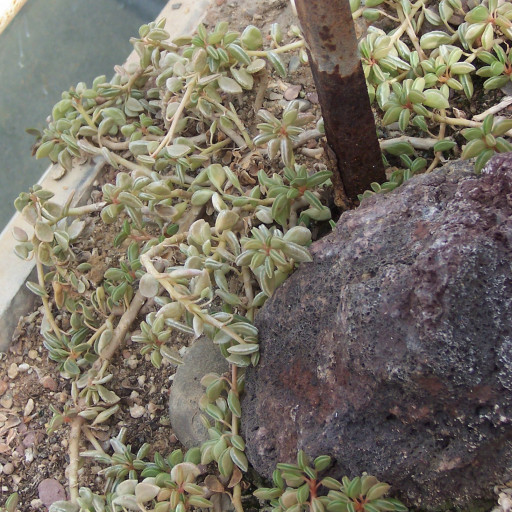
Plant Overview
Known affectionately as the "Fried Egg Plant" (referring to its unique flowers) or simply the Pincushion Peperomia, this charming succulent-like species hails from the high-altitude regions of Peru. Unlike the broad, leafy Peperomias most are used to, Peperomia nivalis looks like a collection of tiny, green pea pods clustered along a creeping stem. It is a master of adaptation, designed to survive in rocky crevices where water is scarce and the sun is intense.
🔍 How to Identify
- 🍃 The "Windowed" Leaves: Each leaf is thick, fleshy, and folded upward to form a boat-like shape. If you look closely at the top edge, there is a translucent "window" that allows light to penetrate the interior of the leaf for photosynthesis.
- 🎋 Growth Habit: It features a low-growing, trailing, or creeping habit. As it matures, the stems can become slightly woody at the base while the tips remain lush and vibrant green.
- 🍳 Unique Blooms: When it flowers, it sends up narrow green spikes. The tiny yellowish-white flowers clustered on these spikes are what earned it the "fried egg" nickname among some collectors.
🏡 In Your Garden
- 💧 The Epiphytic Edge: In the wild, this plant often grows on other plants or in rocky cracks. This means it has a very small root system that is highly prone to rot. Always use a gritty, well-draining mix (like a cactus or orchid blend) rather than standard heavy potting soil.
- ☀️ Light Filtration: Those translucent leaf windows are a survival tool! They allow the plant to take in light even when it's partially buried or in high-glare environments. In your home, it thrives in bright, indirect light; too much direct sun can "scorch" the windows, turning them brown.
- ✂️ Compact Living: Because it stays small and grows slowly, it is a perfect candidate for dish gardens or closed terrariums, provided the humidity is managed and the soil isn't kept soggy.
⚠️ Safety & Toxicity
- ✅ Safe for All: Peperomia nivalis is considered non-toxic to humans, cats, and dogs.
- 🐾 Pet Friendly: It is a fantastic choice for "pet parents" who want to green up their space without worrying about curious nibblers. However, its fleshy leaves are fragile and can snap off easily if played with!
✨ Fun Fact
The species name nivalis actually translates to "snowy" or "growing near snow." While it doesn't like freezing temperatures, the name refers to its native habitat in the snowy peaks of the Peruvian Andes, where it clings to life at elevations where few other tropical plants could survive!

Detailed Care Instructions
| Humidity | Normal |
| Lighting | Part Sun |
| Difficulty | Medium |
| Temperature | 18°C - 28°C |
| Hardiness Zones | 10 - 11 |
To grow Peperomia Nivalis, follow these steps:
- Choose a suitable pot with drainage holes: Select a pot that allows excess water to drain out of the bottom, as Peperomia Nivalis prefers well-drained soil.
- Use a well-draining soil mix: Peperomia Nivalis thrives in a lightweight, well-draining soil mix. Consider using a mixture of potting soil, perlite or vermiculite, and peat moss in equal parts.
- Provide bright indirect light: Place your Peperomia Nivalis in a location that receives bright, indirect light. Avoid direct sunlight, as it can scorch the leaves.
- Water properly: Water your Peperomia Nivalis thoroughly but allow the top inch of soil to dry out before watering again. Overwatering can lead to root rot, so it's important to find the right balance.
- Maintain humidity: Peperomia Nivalis appreciates higher humidity levels. You can increase humidity by misting the leaves regularly or placing a tray of water near the plant. Avoid misting directly on the leaves to prevent powdery mildew.
- Fertilize occasionally: Feed your Peperomia Nivalis once a month during the growing season with a balanced, liquid houseplant fertilizer. Follow the instructions on the fertilizer packaging for proper dosage.
- Prune as needed: Trim leggy or damaged stems to maintain a compact and bushy growth habit. Regular pruning can also help shape the plant and encourage new growth.
- Propagate if desired: Peperomia Nivalis can be propagated through stem cuttings. Take a cutting with at least two sets of leaves, remove the lower leaves, and place it in moist soil or water until roots develop.
- Monitor for pests: Keep an eye out for common houseplant pests, such as aphids or spider mites. If you notice any infestation, treat the plant with an appropriate insecticidal soap or oil.
Overall, Peperomia Nivalis is relatively easy to care for and makes an excellent addition to any indoor plant collection. Just remember to provide it with proper lighting, watering, and occasional fertilization, and you'll enjoy a thriving plant.

Place in a window with dappled sun or a spot in the middle of a room. Or directly in a window facing west or east.

To water this plant, you should first assess the soil moisture by gently sticking your finger about 1 inch deep into the soil. If the soil feels dry, water the plant thoroughly until water begins to drain out of the bottom of the pot. However, if the soil still feels moist, wait a few more days before watering again to avoid over-watering the plant. It's important to note that this plant prefers to dry out slightly between watering, so be careful not to keep the soil too wet. Additionally, use room temperature water and try to avoid getting water on the leaves as this can lead to fungal issues.
To fertilize this plant, use a complete water-soluble fertilizer with a balanced N-P-K ratio and micronutrients. Dilute the fertilizer to half strength and apply it every two to three weeks during the growing season (spring and summer). In the winter, reduce the frequency to once a month. Avoid over-fertilizing as it can cause salt buildup in the soil and damage the plant. Always water the plant thoroughly before and after applying fertilizer.
Peperomia Nivalis plant requires a well-draining soil mixture that provides good aeration and moisture retention. The soil should be rich in organic matter and have a pH balance between 6.0 and 7.0. A recommended soil type is a mixture of peat moss, perlite, and coarse sand in equal parts. Adding a small amount of activated charcoal to the soil mix can help with maintaining healthy soil conditions. Avoid using heavy, compacted soils or those that retain too much moisture, as they can cause root rot and damage to the plant.
Peperomia Nivalis is a popular type of houseplant that can be propagated easily through several methods. Here are some general steps:
- The best time to propagate the plant is during the growing season, which typically occurs in late spring or early summer.
- Select a healthy plant with no signs of disease or pests and choose a stem or leaf cutting that is approximately 3-4 inches long.
- To propagate through stem cuttings, use a clean, sharp knife or scissors to cut the stem just below a node (where leaves and stem meet). Remove any leaves from the bottom 1-2 inches of the stem to create a bare stem for planting.
- If propagating through leaf cuttings, gently remove a healthy leaf from the plant and make sure the leaf has a small piece of stem attached to it.
- Allow the cuttings to dry in a warm, dry location for several hours until the cut ends callus over.
- Once the cuttings have callused, plant them in a soil mix specifically designed for succulent or cacti plants (they thrive in well-draining soil).
- Water the newly planted cuttings sparingly to avoid over-watering and root rot. Keep the soil moist but not waterlogged.
- Place the plant in a well-lit, warm location without direct sunlight.
- Monitor the plant closely over the next few weeks to ensure it continues to grow and thrive.
- Once the plant has established new roots and shows signs of new growth, it can be transplanted to a larger pot or kept in its existing container.
Remember, it's important to always use clean tools and pots to prevent disease and pests from affecting your newly propagated plant.
Common pests of the peperomia nivalis include Mealybugs, fungus gnats. Make a habit of checking your peperomia nivalis frequently for pests so that any infestations can be caught and managed early.








