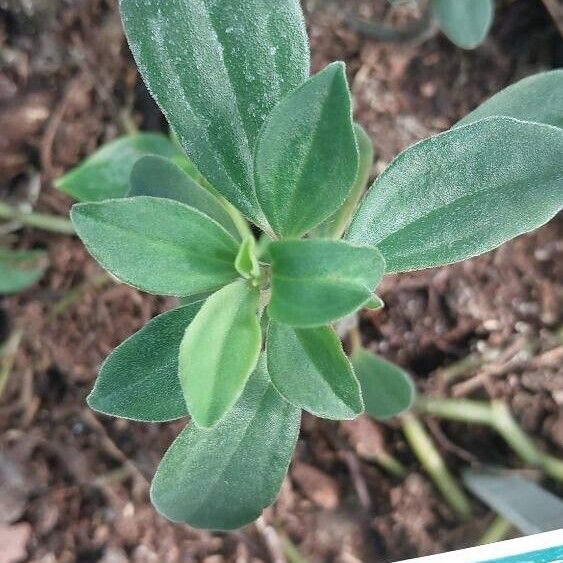
Plant Overview
Known affectionately in the plant community as the "Peperomia Bibi," this South American beauty is a miniature marvel. It is a semi-succulent trailer that feels right at home in a humid terrarium or spilling over the edge of a minimalist hanging basket. Its delicate appearance belies a surprisingly sturdy nature, making it a favorite for those who want the lush look of a tropical vine without the aggressive growth of a Pothos.
🔍 How to Identify
- 🍃 Leaf Structure: Features small, almond-shaped leaves that are slightly succulent to the touch and have a vibrant, waxy sheen.
- 🧬 Three Veins: The name Trinervula literally refers to the three prominent, parallel veins that run along the length of each leaf, which are most visible when held up to a soft light.
- 🌿 Growth Habit: This plant has a sprawling, trailing habit with thin, wiry stems that can transition from bright green to a subtle reddish-brown hue as they mature.
🏡 In Your Garden
- 🪴 Soil Nuance: Because this plant often grows as an epiphyte in the wild (clinging to trees rather than sitting in deep dirt), it detests "heavy" or compact soil. Use a chunky mix with plenty of orchid bark or perlite to ensure the roots stay oxygenated.
- 💧 The "Taco Test": While it enjoys humidity, it stores water in its leaves; if the leaves feel firm, it’s hydrated. If they are soft enough to gently fold like a taco, it’s time for a deep drink.
⚠️ Safety & Toxicity
- 🐾 Pet Safe: Good news for animal lovers! The Peperomia Trinervula is considered non-toxic to both cats and dogs.
- 👶 Gentle Nature: It does not possess any stinging hairs or irritating sap, making it a safe choice for low shelves in homes with curious children.
✨ Fun Fact
Despite its tiny leaves and ornamental look, the Peperomia genus is actually a distant relative of the Piper nigrum—the very same plant that produces the black peppercorns found in your kitchen pepper shaker!

Detailed Care Instructions
| Soil Ph | 6 To 6.6 |
| Humidity | Normal |
| Lighting | Part Sun |
| Soil Type | Loamy, Medium Moisture, Well-Draining |
| Bloom Time | Year-Round (Insignificant Blooms) |
| Difficulty | Medium |
| Plant Type | Herbaceous Perennial |
| Mature Size | Typically Less Than 1 Foot Tall And Wide |
| Native Area | Tropical And Subtropical Regions Of Central And South America |
| Temperature | 18°C - 28°C |
| Sun Exposure | Part Shade |
| Hardiness Zones | 10-12 |

Place in a window with dappled sun or a spot in the middle of a room. Or directly in a window facing west or east.

To water this plant, wait until the top layer of soil feels dry to the touch before watering. When watering, pour water slowly and evenly around the soil, making sure not to water the leaves directly. Avoid overwatering as this can lead to root rot. Allow any excess water to drain out of the pot, and make sure the plant is not sitting in standing water. Keep the soil moist but not waterlogged.
These plant needs regular fertilizing during growing seasons. Fertilizing your plants in dormant state during the winter, might result in scorching or browning of the leaf tips. If mature plants display signs of nutrient insufficiency, fertilizer administration is necessary to restore the plant to its previous state.
You may use All Purpose Plant Food or Green Plant Food for your Peperomia Bibi
The best soil for Peperomia Trinervula plant is a well-draining soil mix that is rich in organic matter. It should be a mix of peat moss, perlite, and vermiculite. Avoid using heavy soil or soil that retains too much water as it can cause root rot.
The soil pH should be slightly acidic to neutral with a pH range of 6.0 to 7.0. It is also important to provide good air circulation to the plant to prevent the soil from becoming too soggy.
When planting or repotting the Peperomia Trinervula, it is important to ensure that the soil is not packed too tightly as it can restrict root growth and cause the plant to become stressed.
Common pests of the peperomia bibi include Mealybugs, fungus gnats. Make a habit of checking your peperomia bibi frequently for pests so that any infestations can be caught and managed early.








