Plant Overview
Meet the "Tail-Fruit Peperomia," a delicate rainforest gem that loves to scramble over mossy logs and damp rocks in its native South American home. Often prized by terrarium enthusiasts, its soft, slightly fuzzy texture and cascading vines make it feel more like a living green carpet than a typical upright houseplant. It is the perfect choice for someone looking for a "pet-safe" trailer that is a bit more unique than a common Pothos.
🔍 How to Identify
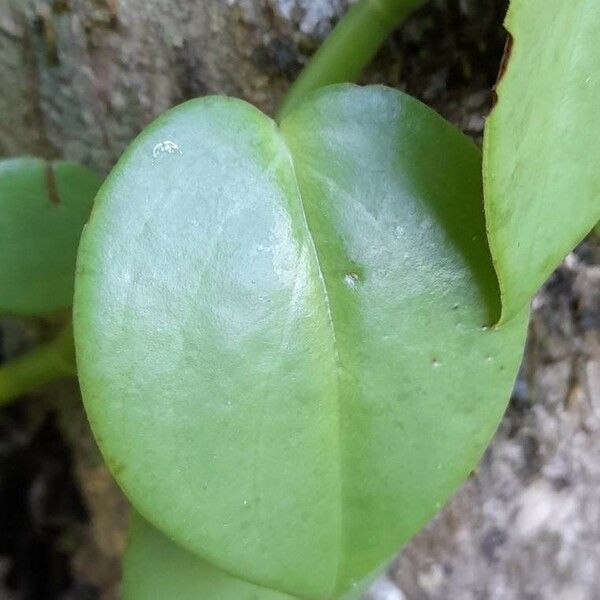
- 🍃 Heart-Shaped Foliage: The leaves are small, thin, and distinctly heart-shaped (cordate), usually featuring a vibrant, apple-green hue.
- 🧸 Velvety Pubescence: Unlike the waxy leaves of many Peperomias, Urocarpa is covered in very fine, soft hairs on both the stems and leaves, giving it a matte, frosted appearance.
- 🧗 Creeping Growth: It has a "prostrate" growth habit, meaning it naturally crawls along the soil surface, rooting at every node it touches.
🏡 In Your Garden
- ☁️ Humidity Over Watering: Because its leaves are thinner than its succulent-like cousins, it is less drought-tolerant and craves high humidity. It is a superstar in closed terrariums where the air stays moist and still.
- 🪴 Shallow Root Systems: This plant has a very delicate, shallow root system. It prefers wide, shallow pots rather than deep ones; in a deep pot, the bottom layer of soil stays wet for too long, which can quickly lead to root rot.
- ⛅ Understory Light: In the wild, it lives under the thick canopy of trees. In your home, it prefers bright, filtered light—direct afternoon sun will easily scorch its tender, fuzzy leaves.
⚠️ Safety & Toxicity
- 🐾 Pet-Friendly: Great news for pet owners! Peperomia urocarpa is non-toxic to cats, dogs, and horses, making it a "worry-free" addition to your collection.
- 👶 Gentle Handling: While non-toxic to humans, the stems are quite brittle. It should be kept out of reach of toddlers or high-traffic areas simply to prevent the plant from being accidentally broken.
✨ Fun Fact
- 🐭 The name Urocarpa literally translates to "tail-fruit." This refers to the plant's unique flowering spikes which look like tiny, upright rat tails covered in microscopic green fruits!

Detailed Care Instructions
To help grow Peperomia Urocarpa plant successfully, here are some guidelines to follow:
- Lighting: Peperomia Urocarpa prefers bright but indirect light. Place the plant near a window where it can receive filtered sunlight, or use fluorescent or LED grow lights if natural light is limited.
- Temperature: Keep the temperature between 65-75°F (18-24°C). Avoid sudden temperature fluctuations and drafts.
- Watering: Allow the top inch (2.5 cm) of soil to dry out before watering. Overwatering can lead to root rot, so it's important to avoid keeping the soil excessively moist. Water thoroughly and then wait until the soil dries before watering again.
- Humidity: Peperomia Urocarpa prefers higher humidity levels. To increase humidity, you can place a tray of water near the plant or use a humidifier. Mist the plant's leaves occasionally, but avoid misting directly on the flowers.
- Soil: Use a well-draining soil mix suitable for houseplants. A mix of peat moss, perlite, and potting soil works well. Avoid using heavy or compacted soil that retains excessive moisture.
- Fertilizer: Use a balanced liquid fertilizer diluted to half strength once a month during the growing season (spring and summer). Suspend fertilizing during the winter months when growth slows down.
- Pruning: Prune the plant to maintain its shape and remove any dead leaves or stems. This will promote healthier growth and prevent the plant from becoming overcrowded.
- Repotting: Repot the plant every year or two to allow for root growth. Choose a slightly larger pot with good drainage and fresh potting soil.
- Propagation: Peperomia Urocarpa can be propagated through stem cuttings. Take a cutting with at least two leaves, remove the lower leaves, and place it in a small pot with moist soil. Keep the cutting in a warm and humid environment until it develops roots.
Remember to regularly monitor your Peperomia Urocarpa plant for any signs of pests or diseases. Overall, with proper care and attention to its specific needs, your Peperomia Urocarpa should thrive and grow well.
To water this plant, you should first check the soil moisture level by sticking your finger into the soil up to the first knuckle. If the soil feels dry at that depth, it's time to water. Use room temperature water and pour it slowly and evenly over the soil until water begins to drain out of the bottom of the pot. Do not let the plant sit in standing water. Allow the soil to dry out slightly before watering again, as overwatering can lead to root rot. The frequency of watering will depend on the environment, so monitor the soil moisture level regularly.
To fertilize this plant, dilute a balanced liquid indoor plant fertilizer to half strength. Water the plant with the fertilized solution every 2-3 weeks during the growing season (spring and summer) and reduce to once a month during the dormant season (fall and winter). Avoid over-fertilizing, as it can cause damage to the plant’s roots.
Peperomia Urocarpa plant grows best in a well-draining soil mixture that is rich in organic matter. The ideal soil pH for this plant ranges between 6.0 and 7.0. It is important to avoid using heavy, clay soils that retain moisture, as this can lead to root rot. A soil mix that contains a blend of peat moss, perlite, and coarse sand or vermiculite can provide good drainage and aeration for the roots. It is also important to ensure that the soil is not too compacted, as this can hinder root growth. Regularly fertilizing the soil with a balanced plant food can also help to promote healthy growth and prevent nutrient deficiencies. Overall, Peperomia Urocarpa plants prefer well-draining, nutrient-rich soils that are not too heavy or compact.
To propagate this plant, you can take stem cuttings that are at least four inches long and have a few healthy leaves. Remove the bottom leaves to expose a bare stem and dip the end of the cutting in rooting hormone. Plant the cutting in moist soil and cover it with a plastic bag to create a humid environment. Place the plant in a bright but indirect light and water it regularly to keep the soil moist but not waterlogged. After a few weeks, you should see new growth indicating successful propagation.








