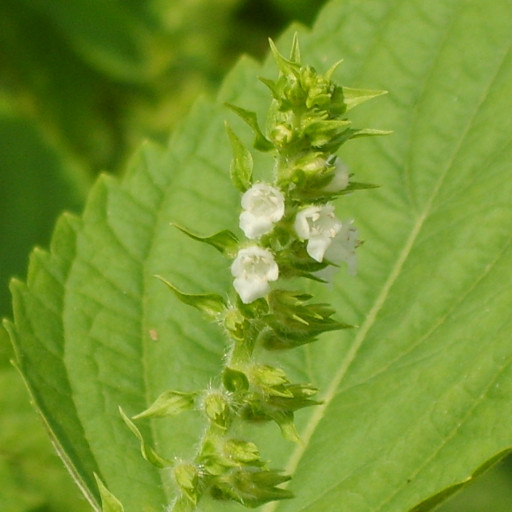
Plant Overview
Known as Shiso in Japan and Kkaennip in Korea, the Perilla frutescens is a culinary superstar that bridges the gap between a herb and a leafy vegetable. Often called the "Beefsteak Plant" due to the deep purple-red hue of certain varieties, it belongs to the mint family and shares its relatives' vigorous growth habits. Beyond the kitchen, it has been used for centuries in traditional medicine and even as a natural dye for pickles and fabrics.
🔍 How to Identify
- 🍃 Saw-Toothed Leaves: The leaves are broad and heart-shaped with distinctly ruffled, serrated edges that look like a zigzag pattern.
- 🟦 Square Stems: Like most members of the Mint family, Perilla has a sturdy, four-sided square stem that is often covered in fine, soft hairs.
- 👃 Complex Aroma: When crushed, the foliage releases a unique, pungent fragrance that is a sophisticated blend of cinnamon, basil, anise, and a hint of citrus.
🏡 In Your Garden
- 🌱 The Great Escapist: Perilla is a prolific self-seeder. If you allow the tiny white or purple flowers to go to seed, expect to see "volunteer" plant babies popping up all over your garden next spring.
- 💧 Thirst for Texture: It thrives in rich, moist soil and loves a bit of afternoon shade in hotter climates. While it is tough, letting the soil dry out completely will cause the leaves to lose their tender, edible quality and become tough.
⚠️ Safety & Toxicity
- 🐾 Livestock Warning: While delicious for humans, Perilla contains certain ketones that are toxic to cattle, horses, and sheep, potentially causing respiratory distress if grazed in large amounts.
- 👶 Human Use: It is generally safe for kids and pets in a typical garden setting, though people with very sensitive skin might experience a mild contact rash when handling large amounts of the foliage.
✨ Fun Fact
Red Shiso leaves are the secret ingredient behind the vibrant pink color of Umeboshi (Japanese pickled plums); the natural pigments in the leaves react with the acidity of the fruit to create a brilliant, neon-red hue without any artificial dyes!

Detailed Care Instructions
To grow Perilla frutescens, also known as Shiso or Korean perilla, you can follow these steps:
- Select a suitable location: Perilla plants prefer full sun to partial shade. Ensure the area has well-draining soil with good fertility. The ideal temperature range is between 60°F to 80°F (15°C to 27°C).
- Prepare the soil: Loosen the soil to a depth of around 8-12 inches and remove any weeds or rocks. Enrich the soil with organic matter like compost or well-rotted manure to improve its fertility and drainage.
- Sow seeds: Perilla can be easily propagated from seeds. Sow the seeds directly into the prepared soil after the risk of frost has passed. Gently press the seeds into the soil, covering them with a thin layer of soil or compost. Space the seeds about 12-18 inches apart.
- Watering: Perilla requires regular watering to keep the soil moist but not waterlogged. Avoid over-watering, as it can lead to root rot. Water deeply when the top inch of soil feels dry.
- Fertilizer: Apply a balanced, slow-release granular fertilizer or organic compost to the soil during planting and every few weeks throughout the growing season. This will provide the necessary nutrients to support healthy growth.
- Maintenance: Keep the area around the plants weed-free by regularly removing any competing vegetation. Perilla plants tend to self-seed, so you may need to thin out the seedlings to maintain proper spacing.
- Harvesting: You can start harvesting the leaves when the plants reach a height of 10-12 inches. Use scissors to harvest individual leaves or cut the entire stem a few inches above the ground. Harvesting regularly will encourage new growth and bushier plants.
- Pest and disease control: Perilla plants are generally resistant to common pests and diseases. However, occasional issues with aphids, caterpillars, or fungal diseases may arise. Monitor your plants regularly and treat any pests or diseases promptly. Organic insecticidal soap or neem oil can often control infestations.
- Winter care: In areas with cold winters, Perilla plants are typically treated as annuals. Harvest the leaves before the first frost and discard the plants. Alternatively, you can take cuttings from healthy plants and root them indoors to be replanted in the spring.
By following these guidelines, you should be able to cultivate and enjoy Perilla frutescens in your own garden.

Place in a bright room that is sun drenched almost all day. Or directly in a south-facing window.

When watering this particular plant, it is important to keep the soil evenly moist but not waterlogged. One should allow the top inch or so of soil to dry out before watering again. It is also important to avoid getting water on the foliage as this can cause disease. This plant prefers well-draining soil and can be sensitive to overwatering. It is recommended to water from the bottom by placing the pot in a saucer of water and allowing the plant to soak up the water through the drainage holes.
To fertilize this plant, it is best to use a balanced fertilizer with equal amounts of nitrogen, phosphorus, and potassium. Apply the fertilizer every two to three weeks during the growing season. Do not over-fertilize as this can lead to excessive growth and decrease the quality of the plant's leaves. Water the plant thoroughly before and after fertilizing to prevent burning the roots. Also, consider using organic fertilizers such as compost or fish emulsion for a more sustainable option.
Perilla Frutescens plant prefers a well-draining soil that is rich in organic matter. It grows well in soils that are slightly acidic to neutral with a pH range of 6.0 to 7.5. The soil should be fertile and moist but not waterlogged. It requires moderate watering, and the soil should be allowed to dry out partially before the next watering. The use of a slow-release fertilizer during the growing season can help to improve soil quality and promote healthy growth. Avoid using soil that is heavy in clay or sand, as this can affect the plant's growth and health.
To propagate this plant, you will need to take stem cuttings from a mature plant. Using a clean and sharp pair of scissors, cut a 3-4 inch piece of stem that has not yet produced flowers. Remove the bottom two leaves, leaving only the top two leaves on the stem.
Next, dip the cut end of the stem into rooting hormone powder. This will help the stem develop roots more quickly. Place the stem into a pot filled with damp soil mixture. The pot should be at least 4 inches in diameter and have drainage holes in the bottom.
Cover the pot with plastic wrap to create a humid environment for the stem. Place the pot in a warm, brightly lit area, but avoid direct sunlight. Mist the stem daily to keep the soil moist and maintain humidity.
After a few weeks, the stem should begin to develop roots. You can test this by gently tugging on the stem. If it resists, roots have formed. At this point, you can remove the plastic wrap and begin to water the plant regularly.
Once the plant has grown larger, it can be transplanted into a larger pot or into the ground if outdoor temperatures are warm enough.
Common pests of the perilla include Spider mites, aphids, whiteflies, larvae. Make a habit of checking your perilla frequently for pests so that any infestations can be caught and managed early.








