Plant Overview
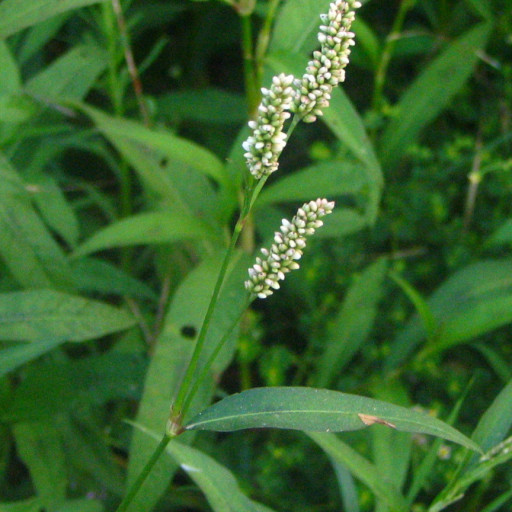
Often called Lady’s Thumb or Redshank, this resilient traveler is a member of the buckwheat family and can be found hitchhiking in gardens and damp meadows across the globe. It is best known for the curious dark "smudge" in the center of its leaves, which has inspired countless folk legends across Europe. While many gardeners treat it as a common weed, its delicate pink flower spikes offer a subtle beauty to those who look closely.
🔍 How to Identify
- 👍 The "Thumbprint": Most leaves feature a distinctive dark purple or brownish triangular blotch in the center, looking exactly like a dirty thumb pressed onto the green surface.
- 🌸 Flower Spikes: Tiny, bead-like flowers range from pale pink to deep rose, packed tightly into erect cylindrical clusters at the ends of the stems.
- 🌿 Papery Sheaths: At the base of each leaf stalk, you’ll find a thin, papery "sleeve" (called an ocrea) wrapped around the stem, often fringed with tiny hairs.
🏡 In Your Garden
- 💧 Moisture Seeker: If you find this plant popping up, it’s a sign that your soil is consistently moist or even poorly drained; it loves "wet feet" and rich, disturbed ground.
- 🌱 Prolific Self-Seeder: A single plant can produce thousands of seeds that stay viable in the soil for years. If you don't want it to take over your flower beds, it is best to pull it before those pink beads turn into brown seeds.
⚠️ Safety & Toxicity
- 🟢 Generally Safe: Persicaria maculosa is not considered toxic to humans or common household pets like cats and dogs.
- 👅 Mild Irritant: Like many of its relatives (such as rhubarb), it contains small amounts of oxalates. While not dangerous, it may cause a mild peppery or stinging sensation if chewed raw, and grazing animals usually avoid large quantities of it.
✨ Fun Fact
According to English folklore, the dark spot on the leaf earned the name "Lady's Thumb" because the Virgin Mary was said to have pinched a leaf while looking for a specific herb, leaving her fingerprint behind forever!

Detailed Care Instructions
| Color | Green Stems And Foliage With Pink Blooms |
| Soil Ph | 5.0-8.5 |
| Humidity | High |
| Lighting | Part Sun |
| Toxicity | Poisonous |
| Soil Type | Well-Draining, Clay, Loamy |
| Bloom Time | Mid-Summer To Late Autumn |
| Difficulty | Easy |
| Plant Type | Annual |
| Hibernation | Cold Period |
| Mature Size | Up To 3.5 Feet Tall And 1.6 Feet Wide |
| Native Area | Europe |
| Sun Exposure | Full Sun To Partial Shade |
| Hardiness Zones | 2-10 |
To grow Persicaria maculosa (Redshank) plants, follow these steps:
- Planting location: Choose a sunny or partially shaded area in your garden or outdoor space, ideally with well-draining soil.
- Soil preparation: Prepare the soil by removing any weeds or grass and loosening it with a garden fork or tiller. Persicaria maculosa is adaptable to a wide range of soil types but prefers moist, fertile soil.
- Sowing seeds: Persian maculosa can be grown from seeds or cuttings. If using seeds, sow them directly into the prepared soil in early spring after the last frost date. Sow the seeds thinly and cover them with a thin layer of soil.
- Germination: Keep the soil consistently moist but not waterlogged until the seeds germinate. Germination may take 10-21 days. Water the soil gently to avoid disturbing the seeds.
- Transplanting (optional): If you started the seeds indoors or in pots, you can transplant them to their permanent location once they have developed a few true leaves. Space the plants 12-18 inches apart to allow for proper growth.
- Care and maintenance: Persicaria maculosa plants are relatively low maintenance. Water regularly, especially during dry periods, to keep the soil moist. Add a layer of mulch around the plants to conserve moisture and suppress weed growth. Prune any damaged or dead stems as needed.
- Controlling spread: Persicaria maculosa has a tendency to spread rapidly by self-seeding. If you want to prevent it from becoming invasive, deadhead the flowers before they produce seeds. Alternatively, you can grow it in containers or use a barrier to contain its spread.
- Harvesting: Persicaria maculosa is not typically grown for its edible or ornamental purposes. However, if desired, you can cut it back to the ground in fall or early spring and use the young leaves in salads or as cooked greens.
Remember to check with local plant nurseries or gardening experts for specific advice on growing Persicaria maculosa in your particular climate or region.

Place in a window with dappled sun or a spot in the middle of a room. Or directly in a window facing west or east.
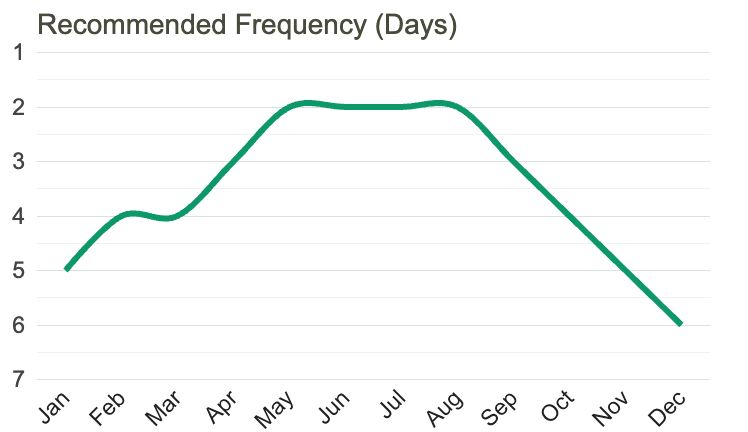
Persicaria Maculosa is a type of plant that requires a moderate amount of water to thrive. The best way to water this plant is to ensure that the soil is consistently moist, but not waterlogged. This can be achieved by watering deeply once a week, or more frequently in hot, dry weather. When watering, it's important to avoid getting water on the leaves of the plant, as this can lead to leaf spot disease. Instead, aim to water the soil around the base of the plant. It is also beneficial to allow the soil to dry out slightly between waterings to promote healthy root growth and prevent the plant from becoming waterlogged. Additionally, providing adequate drainage in the soil is important to avoid water accumulation and potential root rot.
To promote healthy growth and development of this plant, apply a balanced fertilizer with equal parts nitrogen, phosphorus, and potassium every 4 to 6 weeks during the growing season. Be cautious not to over-fertilize as this can lead to excessive foliage growth and decreased flower production. Additionally, make sure to water the plant thoroughly before and after fertilization to avoid root burn.
The recommended soil for this plant should be well-draining and slightly acidic, with a pH level between 6.0 and 7.5. It should also be rich in organic matter and have good moisture retention properties, as this plant prefers moist soil conditions. Avoid using heavy clay soils or soils that are compacted, as they may hinder root growth and development. Adding compost or other organic matter to the soil can help improve its texture and nutrient content, making it more suitable for growing Persicaria Maculosa. Additionally, this plant can tolerate a wide range of soil types, from sand to loam, as long as they meet the above criteria.
Persicaria maculosa can be propagated through seed germination, stem cuttings, and root division. For seed germination, collect seeds from the plant after it has flowered and dried. Sow the seeds in a well-draining potting mix and keep them moist until they germinate. For stem cuttings, take a 4 to 6-inch cutting from a healthy plant and remove the leaves from the bottom one-third of the stem. Dip the cut end in rooting hormone and plant it in a pot of well-draining potting mix. Keep the soil moist and the cutting in a warm, bright place until it roots and starts to grow. For root division, dig up an established plant and gently divide the roots into smaller sections, each with at least one healthy shoot. Replant these sections in a well-draining soil mixture and keep them watered until they establish themselves.
Common pests of the lady's thumb include Spider mites, larvae. Make a habit of checking your lady's thumb frequently for pests so that any infestations can be caught and managed early.








