Plant Overview
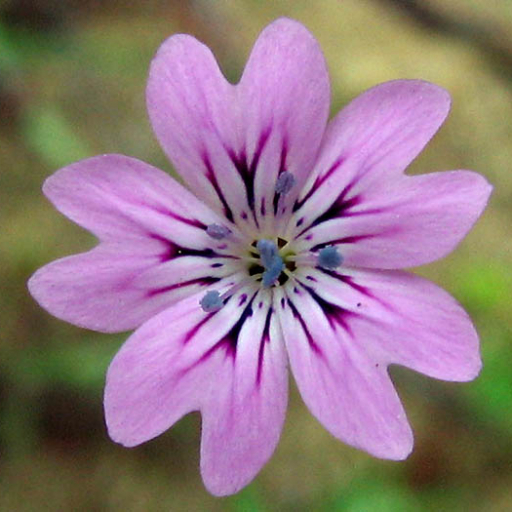
Commonly known as the Windmill Pink or Hairy Pink, this Mediterranean native looks like a delicate wildflower plucked straight from a romantic painting. Though it appears fragile with its slender stems and tiny blossoms, it is a surprisingly hardy pioneer plant that often pops up in rocky crevices and disturbed soils where other plants struggle to survive.
🔍 How to Identify
- 🌸 The Flowers: Small, vibrant pink to lavender blossoms with five petals. Each petal has a deep notch at the tip, giving it a "heart" or "windmill" shape, often accented by darker purple veins.
- 🧤 The Texture: True to its name "Hairy Pink," the upper parts of the stems are covered in fine, sticky glandular hairs that feel slightly velvety to the touch.
- 🛡️ The Bracts: At the base of the flower head, you will find papery, straw-colored scales (bracts) that wrap around the developing seeds like a protective husk.
🏡 In Your Garden
- 🌱 The "Lean" Life: This plant thrives on neglect. It prefers "lean" or poor soil; if you give it too much fertilizer or rich organic matter, the stems tend to become weak and "flop" over rather than standing tall.
- 🌬️ Self-Sowing Nature: While it is an annual, it is an expert at scattering its own seeds. Once you have it in a rock garden or meadow patch, it will likely return year after year without any help from you.
- ☀️ Sun Seeker: It requires a sunny spot to keep its colors vibrant. It is extremely drought-tolerant once established, making it a perfect candidate for xeriscaping or "wild" corners of the yard.
⚠️ Safety & Toxicity
- 🟢 Status: Generally considered non-toxic to humans and common livestock.
- 🐾 Pets: Like many members of the Pink family (Caryophyllaceae), it contains mild saponins. While not usually dangerous, it can cause very mild stomach upset in curious cats or dogs if consumed in large quantities.
- 🧤 Skin Sensitivity: The sticky hairs on the stems aren't poisonous, but they can occasionally collect dust or pollen which might irritate sensitive skin during weeding.
✨ Fun Fact
The genus name Petrorhagia is derived from the Greek words "petros" (rock) and "rhagas" (fissure). This refers to the plant’s uncanny ability to grow out of tiny cracks in solid stone, literally "breaking" through the rock to reach the sun.

Detailed Care Instructions

Place in a bright room that is sun drenched almost all day. Or directly in a south-facing window.

Some plants require more regular watering than others, which should be done every few days. It's critical to maintain the soil moist all of the time. The water requirements of the same plant placed in pots with varying sizes will differ. Because the water in the smaller pot evaporates faster than the water in the larger pot, it will require more watering. Regardless of pot size, the surface should constantly be maintained moist.








