Plant Overview
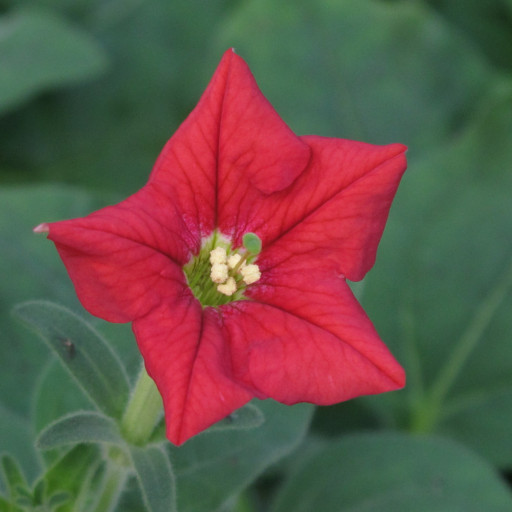
Known as the "Workhorse of the Summer Garden," Petunias are beloved for their velvety, trumpet-shaped blooms that spill over hanging baskets and garden borders. Originating from the heat of South America, these resilient beauties have been cross-bred into nearly every color of the rainbow, earning them a permanent spot as a favorite for balcony displays and floral carpets.
🔍 How to Identify
- 🌸 The Bloom: Distinctive funnel or trumpet-shaped flowers that can be single, double, ruffled, or striped with "star" patterns.
- 🌿 Sticky Texture: The stems and leaves are covered in tiny, fine hairs that feel slightly tacky or sticky to the touch—this is a natural defense mechanism.
- 🍃 Foliage Shape: Simple, oval-to-heart-shaped leaves that are typically a soft, medium green and grow in an alternate or opposite pattern.
🏡 In Your Garden
- ☀️ Sun Worshippers: Petunias are solar-powered; they need at least six hours of direct sunlight to maintain their vibrant colors. If kept in too much shade, they will become "leggy" and stop producing flowers.
- ✂️ The Grooming Secret: To keep them blooming until the first frost, they require "deadheading." Pinching off the faded flower heads prevents the plant from producing seeds and signals it to grow even more blossoms.
- 💧 Thirsty but Picky: While they love consistent moisture, they hate "wet feet." Ensure your pots have excellent drainage, as sitting in water can quickly lead to root rot.
⚠️ Safety & Toxicity
- 🐾 Pet Friendly: Petunias are generally considered non-toxic to dogs, cats, and horses, making them a safe choice for households with curious pets.
- 👶 Kid-Safe: They are non-poisonous to humans. However, the sticky sap can occasionally cause mild skin irritation for those with very sensitive skin, and the flowers should not be ingested as they are not a food crop.
✨ Fun Fact
Petunias are members of the Solanaceae (Nightshade) family. This means these delicate garden flowers are actually cousins to tomatoes, potatoes, chili peppers, and even the mysterious Mandrake!

Detailed Care Instructions
To grow Petunia plants, follow these steps:
- Choose a suitable location: Petunias prefer full sun but can tolerate partial shade. Select an area with well-draining soil.
- Prepare the soil: Loosen the soil and remove any weeds or debris. Add organic matter like compost or peat moss to improve the soil's fertility and drainage.
- Start seeds indoors or buy seedlings: Petunias can be grown from seeds or purchased as young plants from a nursery. If starting from seeds, sow them in pots or trays filled with seed-starting mix, about 6-8 weeks before the last frost date.
- Nurture seedlings: Keep the seedlings in a warm, brightly lit area, and water them regularly. Transplant them to larger pots once they develop true leaves.
- Prepare for outdoor planting: Harden off the seedlings by gradually exposing them to outdoor conditions for a week or two before planting them permanently.
- Plant outdoors: When there is no danger of frost, plant the young petunia plants in the prepared soil, spacing them 8-12 inches apart. Water thoroughly after planting.
- Provide adequate water: Water the plants consistently, keeping the soil evenly moist but not waterlogged. Watering early in the day can help prevent diseases.
- Fertilize regularly: Use a balanced, water-soluble fertilizer every 2-3 weeks to promote healthy growth and abundant blooms. Follow the instructions on the fertilizer packaging for proper application.
- Deadhead spent flowers: Pinch or snip off fading or dead flowers regularly to encourage the production of new blooms.
- Monitor for pests and diseases: Keep an eye out for common pests like aphids and caterpillars, as well as diseases like powdery mildew. Treat them promptly using appropriate insecticides or fungicides, if necessary.
- Trim and shape the plants: To promote bushier growth, pinch back the tips of the plants occasionally. This will encourage branching and result in a fuller, more compact plant.
- Protect from extreme weather conditions: Petunias may not tolerate extremely hot or cold temperatures well. If needed, provide shade during scorching afternoons or cover the plants during frosty weather.
By following these steps, you can successfully grow and enjoy beautiful Petunia plants in your garden or containers.

Place in a bright room that is sun drenched almost all day. Or directly in a south-facing window.

Petunia plants require regular watering to thrive. It's important to water deeply and consistently, making sure the soil is moist but not soggy. To prevent excessive watering, it's recommended to water when the soil appears dry an inch below the surface. Overwatering may lead to root rot and other problems like yellowing leaves and stunted growth. It's important to avoid getting water on the leaves to prevent diseases. It's also recommended to use a drip irrigation or soaker hose system for consistent watering. Watering in the morning or early evening when the temperature is cooler can also help reduce water loss due to evaporation.
- Choose a balanced fertilizer with equal parts nitrogen, phosphorus, and potassium.
- Mix the fertilizer with soil before planting.
- For established plants, apply fertilizer every two to four weeks during the growing season.
- Use a water-soluble fertilizer and apply according to package instructions.
- Water the plant before and after fertilizing to prevent fertilizer burn.
For optimal growth and health of this type of flowering plant, it is recommended to use a well-draining and nutrient-rich soil mix that contains a balanced blend of organic matter and inorganic materials. This soil should have a slightly acidic to neutral pH level and be able to retain moisture without becoming waterlogged. Additionally, it is important to regularly fertilize the soil with a balanced fertilizer to ensure that the plant is receiving the necessary nutrients for healthy growth and vibrant blooms.
There are several methods for propagating this plant, but here are some general instructions:
- Choose a healthy parent plant with great growth characteristics.
- Take cuttings from the parent plant, ensuring that each cutting has at least one node.
- Remove any leaves from the stem that will be below the soil line once planted.
- Dip the cut end of the stem in rooting hormone powder, if desired.
- Plant the cuttings in a container filled with moist potting soil or perlite.
- Cover the container with a plastic bag to create a greenhouse effect and keep the humidity high.
- Place the container in a bright, warm spot, but out of direct sunlight.
- Check the moisture level of the soil daily, and mist the cuttings if they start to dry out.
- After a few weeks, check for roots by gently tugging on the stem. Once roots have developed, remove the plastic bag.
- Once the new plants have developed a few sets of leaves, they can be transplanted into individual pots or a larger container.
It's important to note that propagation success rates can vary depending on the type of plant. It's best to research specific instructions for the specific plant you wish to propagate.







