Plant Overview
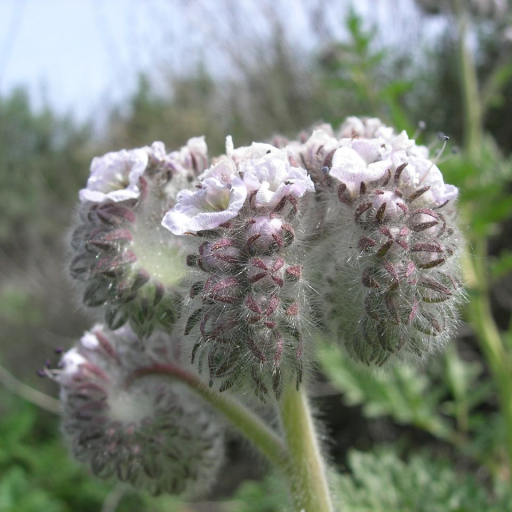
Often called the Caterpillar Phacelia, this California native looks like it belongs in a prehistoric landscape. Its flowers uncurl slowly like the tail of a scorpion or a fuzzy caterpillar, creating a striking visual rhythm in wild meadows. The name cicutaria refers to its leaves, which mimic the delicate, fern-like foliage of the poisonous Water Hemlock, though this plant is far more friendly to the ecosystem.
🔍 How to Identify
- 🌸 The "Caterpillar" Coil: The flowers are arranged in a unique "scorpioid cyme," meaning they form a tight spiral that gradually uncurls as the buds open from the bottom up.
- 🌿 Mimicry Foliage: The leaves are deeply divided and feathery, looking very similar to fern fronds or wild carrot greens.
- 🖌️ Bristly Texture: The entire plant is covered in fine, stiff hairs and glands that can give the stems a slightly sticky or "fuzzy" appearance.
🏡 In Your Garden
- 🐝 Pollinator Powerhouse: If you want to see your garden come alive, this is the plant to choose. It is famous for its high-quality nectar and unique blue-colored pollen that honeybees and native bumblebees find irresistible.
- 🏜️ Drought Survivor: As a native of the American Southwest, it thrives in sandy, well-draining soil and can handle intense heat with very little water once established. It is an "annual," meaning it lives for one season, but it drops plenty of seeds to return the following spring.
⚠️ Safety & Toxicity
- 🧤 Skin Irritant: Caution is required when handling this beauty. Many people experience "Phacelia dermatitis"—a red, itchy rash similar to poison ivy—caused by the stiff hairs and oil glands on the stems. Always wear gloves when weeding or pruning.
- 🐾 Pet & Child Safety: While not known to be deadly, the irritating hairs can cause mouth or skin discomfort for curious pets and children. It is best enjoyed as a "look but don't touch" addition to the landscape.
✨ Fun Fact
💠 True Blue: The pollen of the Caterpillar Phacelia is a vivid, electric blue! If you see a honeybee flying by with blue "pollen baskets" on its legs, it has likely just finished a meal at a Phacelia patch.

Detailed Care Instructions
To grow Phacelia cicutaria, also known as fernleaf phacelia, follow these steps:
- Choose a suitable location: Phacelia cicutaria prefers full sun to partial shade. It grows well in well-draining soil that is rich in organic matter.
- Prepare the soil: Before planting, remove any weeds or debris from the area. Loosen the soil to a depth of about 6 inches and amend with organic matter, such as compost, if necessary.
- Sow the seeds: Phacelia cicutaria is typically grown from seeds. Scatter the seeds on the soil surface and lightly press them into the soil. Alternatively, you can start seeds indoors 4-6 weeks before the last frost date and transplant them outside once the danger of frost has passed.
- Watering: Keep the soil evenly moist, but not waterlogged, during the germination and establishment phase. Once established, phacelia cicutaria is relatively drought-tolerant and does not require excessive watering.
- Thin seedlings: If the seeds are sown too densely, thin out the seedlings to allow proper spacing (usually around 12-18 inches apart) for optimal growth.
- Maintain weed control: Regularly remove any weeds that compete with the phacelia cicutaria plants for water, nutrients, and sunlight.
- Fertilization: Phacelia cicutaria generally does not require much fertilization. However, if the soil is poor, you can apply a balanced, slow-release fertilizer according to the package instructions during the growing season.
- Pruning: Phacelia cicutaria does not require pruning. However, you can deadhead spent flowers to encourage further blooming.
- Pests and diseases: Phacelia cicutaria is generally resistant to pests and diseases. However, keep an eye out for common garden pests like aphids or slugs. Treat them with organic pest control products if necessary.
- Enjoy the blooms: Phacelia cicutaria produces beautiful clusters of purple-blue flowers. Enjoy the blooms and appreciate the beneficial pollinators the plant attracts, such as butterflies, bees, and hummingbirds.

Place in a bright room that is sun drenched almost all day. Or directly in a south-facing window.

The best way to water this plant is to wait until the topsoil is dry to the touch and then give it a deep watering. Avoid overwatering as it can lead to root rot and other fungal diseases. Make sure that the soil has good drainage to prevent waterlogged soil. Water the plant at the base and avoid wetting the foliage to prevent fungal diseases. In hot, dry weather, mulching around the plant can help to retain moisture in the soil.
To fertilize this plant, use a balanced fertilizer with equal amounts of nitrogen, phosphorus, and potassium. Apply the fertilizer once a month during the growing season, making sure to water the plant well before and after application. Do not over-fertilize, as this can burn the plant and damage its roots. Instead, follow the instructions on the fertilizer package, and adjust the application rate based on the size and growth rate of the plant. Remember to also monitor soil moisture levels, and avoid fertilizing during times of drought or when the soil is already saturated.
The ideal soil for the Phacelia plant should be well-draining and moist, with a slightly acidic to neutral pH level. It should be nutrient-rich and have good aeration to promote healthy root growth. A mix of organic compost and loamy soil is recommended. Fertilizer can be added occasionally, but too much can cause excessive vegetative growth at the expense of flower production. The plant prefers full sun to partial shade and can tolerate moderate drought conditions. Regular watering is necessary to maintain healthy growth. Overall, the soil should provide optimal conditions for the plant's growth and development, without causing stress or disease.
To propagate this plant, you will need to collect mature seeds from the plant and store them in a dry, cool place until you are ready to plant them. When it is time to sow the seeds, prepare a potting mix of well-draining soil and sprinkle the seeds on top. Gently press the seeds into the soil and water thoroughly. Keep the soil moist and place the pot in a warm, bright location, such as a sunny window.
Once the seeds germinate and the plants have developed their first set of true leaves, you can transplant them into individual pots or into your garden. Make sure to space the plants about 6 inches apart and provide them with regular watering and fertilization as they grow. With proper care, your propagated plants should thrive and produce beautiful blooms.








