Plant Overview
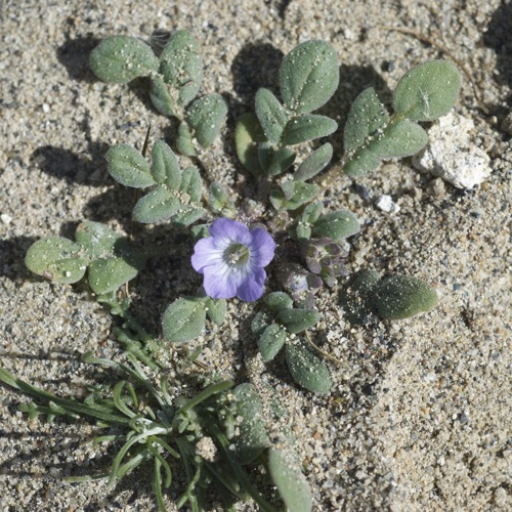
Known as Douglas’ Phacelia or the Sandy Phacelia, this charming California native looks like a fallen piece of the sky scattered across coastal dunes and grasslands. Named after the famed botanist David Douglas, it is a quintessential spring wildflower that creates soft, hazy carpets of blue during "superbloom" years. It is highly valued in native restoration projects for its ability to thrive where other plants struggle.
🔍 How to Identify
- 🌸 The Bloom: Small, bell-shaped or bowl-shaped flowers that range from pale lavender to a vibrant sky blue. They almost always feature a bright white "eye" or center.
- 🌿 Fern-like Foliage: The leaves are deeply lobed and soft, resembling tiny fern fronds. They are covered in fine, silvery hairs that give the plant a slightly fuzzy appearance.
- 🌱 Growth Habit: This is a low-growing annual that typically forms prostrate mounds. Instead of reaching for the sun, it spreads horizontally, hugging the sandy soil.
🏡 In Your Garden
- 🏖️ The Sandy Specialist: Douglas’ Phacelia is the perfect "problem solver" for sandy or nutrient-poor soils. It has evolved to survive in loose, well-draining earth where traditional garden flowers might wilt or rot.
- 🐝 Pollinator Magnet: If you want a buzzing garden, this is your secret weapon. It is particularly attractive to native honeybees and solitary bees, providing a high-quality nectar source early in the spring season.
- 💧 Drought Strategy: As a desert and coastal native, it completes its entire life cycle quickly before the summer heat hits. It doesn't need supplemental watering once established, making it a true "set it and forget it" wildflower.
⚠️ Safety & Toxicity
- 🧴 Skin Irritation: While not "poisonous" in the traditional sense, many Phacelia species are known as "Caterpillar Phacelias" because their stiff hairs can cause a skin rash (contact dermatitis) similar to poison oak in sensitive individuals.
- 🐾 Pet Safety: It is generally considered non-toxic if accidentally nibbled by pets, though the bristly texture of the leaves usually discourages dogs and cats from taking more than one bite.
✨ Fun Fact
The name Phacelia comes from the Greek word phakelos, which means "bundle." This refers to the way the flower buds are tightly coiled together in a scroll-like shape (called a cyme) that slowly unfurls as the flowers bloom, much like a scorpion's tail!

Detailed Care Instructions
Growing Phacelia douglasii, a native wildflower known for its beautiful lavender-blue flowers and attractiveness to pollinators, is relatively straightforward if you follow some key guidelines. Here's a step-by-step guide to help you grow Phacelia douglasii:
1. Choose the Right Location
- Sunlight: Phacelia douglasii prefers full sun but can tolerate partial shade.
- Soil: Well-drained soil is essential. These plants are quite adaptable but thrive best in sandy or loamy soil types. Poorly drained soils can lead to root rot.
2. Soil Preparation
- Testing Soil: If you’re unsure of your soil’s drainage properties, consider conducting a drainage test.
- Amending Soil: If necessary, amend the soil with organic matter like compost to improve drainage and nutrient content.
3. Planting Seeds
- Timing: The best time to plant Phacelia douglasii seeds is in the fall or early spring.
- Direct Sowing: Scatter seeds directly onto the soil surface and lightly press them in. The seeds need light to germinate, so avoid covering them with a thick layer of soil.
- Spacing: Sow seeds thinly to allow space between plants, generally aiming for about 6 inches apart.
4. Watering
- Initial Watering: Keep the soil consistently moist (but not waterlogged) to promote germination. This is particularly important in the initial weeks after sowing.
- Established Plants: Once established, Phacelia douglasii is quite drought-tolerant. Water deeply but infrequently to encourage deep root growth.
5. Mulching
- Mulching: Applying a thin layer of organic mulch can help retain soil moisture and suppress weeds. However, ensure the mulch doesn’t cover the seeds or young seedlings, as they require sunlight for germination.
6. Maintenance
- Weeding: Keep the area around the plants free from weeds, especially while they are young, to reduce competition for nutrients.
- Fertilizing: Phacelia douglasii generally doesn’t require additional fertilization. If your soil is particularly poor, you might consider a balanced, slow-release fertilizer in early spring.
7. Pest and Disease Control
- Monitoring: Regularly check for pests such as aphids or snails. Neem oil or insecticidal soap can be used to treat aphids.
- Diseases: This plant is typically disease-resistant, but maintaining good airflow (by adequate spacing) can help prevent fungal issues.
8. Flowering and Seed Collection
- Bloom Time: Expect flowers in late spring to early summer.
- Seed Collection: If you want to collect seeds for future planting, allow the flowers to mature and dry on the plant. Collect seeds once they are completely dry and store them in a cool, dry place.
By following these steps, you can enjoy the beautiful blooms of Phacelia douglasii in your garden while also providing an excellent food source for pollinators like bees and butterflies.

Place in a bright room that is sun drenched almost all day. Or directly in a south-facing window.
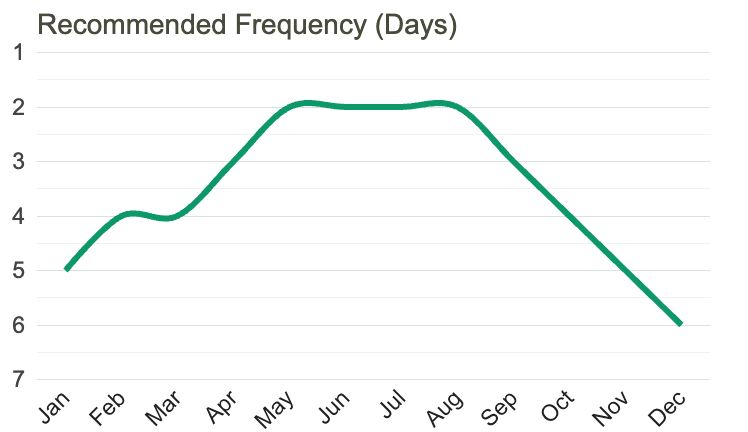
Watering Phacelia douglasii involves understanding the specific needs of this plant to ensure its optimal growth. Here's a detailed guide on how to water it properly:
### Soil and Drainage
- **Soil Type**: Ensure the plant is in well-draining soil. Sandy or loamy soils are ideal, as they prevent waterlogging which can harm the plant.
- **Drainage**: Make sure the soil has good drainage. If planting in a pot, choose one with drainage holes at the bottom.
### Watering Schedule
- **Initial Planting**: When first planting Phacelia douglasii, water thoroughly to settle the soil around the roots. This helps to establish the plant.
- **Growing Season**: During its active growing season, typically in spring and early summer, keep the soil consistently moist but not soggy.
- **Frequency**: Water once or twice a week, depending on your local climate and soil conditions. In areas with high temperatures or dry conditions, you might need to water more frequently.
- **Drought Tolerance**: Once established, Phacelia douglasii is somewhat drought-tolerant. You can reduce the frequency but ensure it doesn’t dry out completely.
### Method of Watering
- **Direct Watering**: Water at the base of the plant to ensure it gets adequate moisture directly to the roots. Avoid overhead watering to reduce the risk of leaf diseases.
- **Deep Watering**: Water deeply to encourage the roots to grow deeper into the soil. This can be achieved by allowing water to soak in slowly and thoroughly.
- **Morning Watering**: Water the plant in the early morning hours so that any excess moisture on the leaves has time to evaporate during the day, preventing fungal issues.
### Monitoring and Adjustments
- **Check Soil Moisture**: Regularly check soil moisture by sticking your finger about an inch into the soil. If it feels dry at that depth, it’s time to water again.
- **Adjusting for Rain**: If natural rainfall occurs, adjust your watering schedule accordingly to prevent overwatering.
### Special Considerations
- **Mulching**: Applying a layer of mulch around the base of the plant can help retain soil moisture and reduce the frequency of watering, especially in hotter climates.
- **Signs of Over or Under-Watering**:
- **Over-Watering**: Symptoms include yellowing leaves and root rot.
- **Under-Watering**: Symptoms include wilting and dry, brittle leaves.
By understanding these details, you can ensure that Phacelia douglasii remains healthy and vibrant. Remember, the key is to maintain consistent moisture without saturating the soil, thereby striking a balance that meets the plant's needs.
Phacelia douglasii is a hardy annual plant that thrives in well-drained soils and full sun. Fertilizing this plant can be straightforward if you follow these steps:
- Soil Preparation: Before planting, work a balanced, slow-release granular fertilizer into the soil. Aim for a fertilizer with an N-P-K ratio of approximately 10-10-10.
- Timing: Fertilize at the beginning of the growing season, ideally when you prepare your soil and sow the seeds in early spring.
- Application: Sprinkle the fertilizer evenly over the soil surface and then mix it into the top 2-3 inches of soil. Ensure you don’t place seeds directly on concentrated fertilizer, as it can burn the young roots.
- Watering: After fertilizing, water the soil thoroughly. This helps to activate the fertilizer and ensures that nutrients are readily available to the plant roots.
- During Growth: Once the plants are established, you can apply a diluted liquid fertilizer every 4-6 weeks. Use a balanced, water-soluble fertilizer mixed at half the recommended strength.
- Observing Plant Health: Keep an eye on the foliage. Yellowing leaves may indicate a need for additional nutrients, particularly nitrogen.
- Avoid Over-fertilizing: Excessive fertilizer can lead to lush foliage at the expense of flowers. Stick to the recommended amounts and intervals to promote a balanced growth.
By following these guidelines, you can ensure that your plants have the necessary nutrients to thrive without the risk of over-fertilization.
Phacelia douglasii thrives best in well-draining soil. It prefers conditions that range from sandy to loamy soils, which facilitate good drainage and aeration. The plant can tolerate poor soil conditions but generally benefits from a moderately rich substrate that contains organic matter to provide nutrients.
Considering its natural habitat, the soil should ideally be kept slightly moist but never waterlogged, as excessive moisture can lead to root rot. It's advisable to incorporate some organic compost or well-rotted manure to improve the soil’s fertility and structure, which helps to retain adequate moisture while still promoting proper drainage.
For optimal growth, aim for a soil pH that is neutral to slightly acidic, ranging from 6.0 to 7.0. If you’re starting from less than ideal soil conditions, you may want to consider soil amendments like perlite or sand to enhance drainage capabilities.
Overall, Phacelia douglasii is not highly demanding regarding soil fertility, but ensuring good drainage, adequate organic matter, and the right pH level will support healthy growth and robust flowering.
Phacelia douglasii is a flowering plant that can be propagated through both seeds and cuttings. Here are the steps for each method:
Propagation Through Seeds:
- Seed Collection:
- Harvest seeds from mature plants when the seed pods turn brown and dry.
- Gently shake the seed pods to release the seeds or manually break them open.
- Harvest seeds from mature plants when the seed pods turn brown and dry.
- Seed Preparation:
- Clean the seeds to remove any debris.
- Optionally, stratify the seeds by placing them in a refrigerator for 2-4 weeks to simulate winter conditions, which can improve germination rates.
- Clean the seeds to remove any debris.
- Sowing Seeds:
- Choose a well-draining soil mix.
- Sow the seeds on the surface of the soil, as they require light for germination.
- Press them lightly into the soil but do not bury them.
- Water the soil gently to keep it moist but not waterlogged.
- Choose a well-draining soil mix.
- Germination:
- Place the seed trays or pots in a location with indirect sunlight.
- Maintain a temperature of around 70°F (21°C).
- Seeds typically germinate within 1-3 weeks.
- Place the seed trays or pots in a location with indirect sunlight.
- Transplanting Seedlings:
- Once the seedlings have developed a few true leaves and are sturdy enough to handle, they can be transplanted.
- Choose a location with well-draining soil and full to partial sunlight.
- Space the plants about 12 inches (30 cm) apart.
Propagation Through Cuttings:
- Once the seedlings have developed a few true leaves and are sturdy enough to handle, they can be transplanted.
- Selection of Cuttings:
- Choose healthy, non-flowering stems from a mature plant.
- Cut 4-6 inch (10-15 cm) sections just below a leaf node.
- Choose healthy, non-flowering stems from a mature plant.
- Preparation of Cuttings:
- Remove the leaves from the lower half of the cutting.
- Dip the cut end in rooting hormone to encourage root development (optional but recommended).
- Remove the leaves from the lower half of the cutting.
- Planting Cuttings:
- Fill a pot with a well-draining soil mix, such as a mixture of perlite and peat moss.
- Insert the cuttings into the soil, ensuring that at least one node is below the soil surface.
- Water the soil to keep it moist but not soggy.
- Fill a pot with a well-draining soil mix, such as a mixture of perlite and peat moss.
- Root Development:
- Place the pots in a location with indirect sunlight.
- Maintain a humid environment by placing a plastic bag over the pot or using a humidity dome.
- Roots should develop in 2-4 weeks.
- Place the pots in a location with indirect sunlight.
- Transplanting Rooted Cuttings:
- Once the cuttings have developed a strong root system, they can be transplanted to their final location.
- Choose a spot with well-draining soil and full to partial sunlight.
- Space the plants about 12 inches (30 cm) apart.
Care and Maintenance:
- Once the cuttings have developed a strong root system, they can be transplanted to their final location.
- Watering: Keep the soil consistently moist but avoid waterlogging.
- Sunlight: Provide full to partial sunlight for optimal growth.
- Soil: Ensure the soil is well-draining to prevent root rot.
- Fertilization: No special fertilization is typically needed, but you can use a balanced fertilizer during the growing season if desired.
By following these steps, you can successfully propagate Phacelia douglasii and enjoy its beautiful blooms.








