Plant Overview
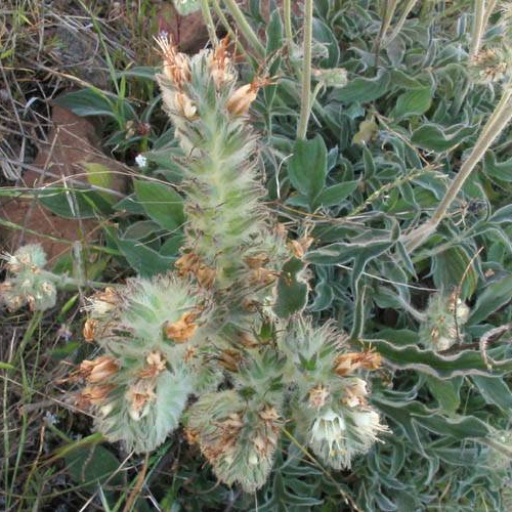
Often called the Imbricate Phacelia, this hardy California native looks like something out of a prehistoric forest with its coiled, ferny foliage. It is a rugged survivor commonly found clinging to rocky slopes and dry hillsides, serving as a vital "fast food stop" for native bees. While its flowers are delicate and creamy, its architecture is wild, untamed, and perfectly adapted for the heat.
🔍 How to Identify
- 🌀 The "Scorpion" Coil: The most striking feature is the flower spike, which curls at the tip like a scorpion’s tail, slowly unrolling as the blossoms open from the bottom up.
- 🌿 Fern-like Foliage: The leaves are deeply lobed and divided, often forming a dense, silvery-green rosette at the base of the plant that looks remarkably like a tough fern.
- ☁️ Fuzzy Blooms: The small, bell-shaped flowers are usually white or pale cream. They feature long, protruding stamens that give the entire flower cluster a "hairy" or "bottlebrush" appearance.
🏡 In Your Garden
- ⛰️ Drought Champion: This plant is a master of "difficult" spots. It thrives in poor, rocky, or sandy soils where other plants might wither, making it an essential pick for xeric (water-wise) landscaping.
- 🐝 Pollinator Powerhouse: In a native garden, this is a top-tier nectar source. It is particularly beloved by bumblebees and beneficial predatory wasps that help keep garden pests in check.
- ☀️ The Drainage Rule: The secret to keeping it happy is drainage. It hates "wet feet" and will likely rot if planted in heavy clay or over-watered during the summer.
⚠️ Safety & Toxicity
- 🧤 Skin Irritant: Like many members of the Phacelia genus, this plant is covered in fine, stiff hairs. In some people, contact with these hairs can cause a red, itchy rash similar to poison oak.
- 🐾 Pet Safety: While it is not considered highly toxic if ingested, the physical irritation from the hairs can cause discomfort in the mouths of curious pets. It is best to wear gloves when pruning or handling.
✨ Fun Fact
The unique unrolling flower shape is scientifically known as a "scorpioid cyme." This spiral growth ensures that the plant can continue to produce new flowers for weeks, providing a steady, reliable food source for local insects throughout the blooming season.

Detailed Care Instructions
To grow Phacelia imbricata (also known as imbricate phacelia), follow these steps:
- Choose a suitable location: Phacelia imbricata prefers full sun to partial shade, so select a spot in your garden that receives at least 6-8 hours of sunlight per day. The soil should be well-draining and fertile.
- Prepare the soil: Before planting, prepare the soil by removing any weeds or grass and incorporating organic matter such as compost or well-rotted manure. This will help improve the soil structure and fertility.
- Sow the seeds: Phacelia imbricata is usually seeded directly in the garden. The ideal time for sowing is early spring after the last frost date in your area. Sow the seeds thinly and evenly over the prepared soil. Lightly press the seeds into the soil, but avoid burying them too deep as they need light to germinate.
- Watering and care: Keep the soil consistently moist but not waterlogged during the germination period. Once the seedlings have established, they are moderately drought-tolerant and do not require frequent watering. However, in periods of prolonged drought, you should provide supplemental water to ensure healthy growth.
- Thin the seedlings: As the seedlings emerge, they will need to be thinned to provide adequate space for the plants to grow. Space the seedlings about 8-10 inches apart to allow them enough room for proper development.
- Mulch and weed control: Apply a layer of organic mulch around the base of the plants to help retain moisture, suppress weed growth, and maintain a more consistent soil temperature.
- Fertilization: Phacelia imbricata generally does not require heavy fertilization. However, if your soil is nutrient-poor, you can apply a general-purpose slow-release fertilizer during the spring or incorporate organic fertilizers like compost or manure into the soil before planting.
- Pruning: Phacelia imbricata has a bushy growth habit and generally does not require extensive pruning. However, you can remove any dead or damaged stems to maintain a tidy appearance.
- Pest and disease control: Phacelia imbricata is relatively resistant to pests and diseases. Keep an eye out for any signs of damage or infestation, such as aphids or powdery mildew, and take appropriate actions to control them if necessary.
By following these steps, you can successfully grow Phacelia imbricata and enjoy its beautiful flowers and beneficial properties for pollinators.

Place in a bright room that is sun drenched almost all day. Or directly in a south-facing window.

To water this plant, it is important to ensure that the soil is moist but not waterlogged. It is recommended to water deeply and less frequently, rather than frequently and in small amounts. Before watering, check the top inch of soil with your finger to determine if it is dry. If it is dry, water the plant thoroughly, ensuring that water reaches the roots. Avoid getting water on the leaves as this can lead to disease or damage. It is also important to avoid overwatering as this can lead to root rot. In addition to watering, this plant may benefit from occasional fertilization to promote healthy growth.
- Choose a well-draining soil and a fertilizing schedule that is appropriate for the plant's growth stage.
- Use a slow-release fertilizer for best results, such as a balanced 10-10-10 fertilizer.
- Apply the fertilizer in early spring, before the growing season, and repeat every six to eight weeks throughout the growing season.
- Water the plant well after fertilizing to help the nutrients reach the roots.
- Be careful not to over-fertilize, as this can lead to excessive vegetative growth and reduced flower production.
- Monitor the plant for any signs of nutrient deficiencies, such as yellowing leaves or stunted growth, and adjust your fertilizing schedule as needed.
Phacelia Imbricata prefers to grow in well-drained soil that is rich in organic matter. The soil should have a pH between 6.0 and 7.5, which is slightly acidic to neutral. A loamy or sandy loam soil is ideal, as it allows for good drainage while retaining some moisture for the plant's roots. Avoid soils that are clay-heavy, as they tend to retain water and can cause root rot. It is also important to ensure that the soil has good aeration, so it is recommended to mix in some peat moss or perlite before planting. Regular fertilization with a balanced fertilizer will also help to keep the soil fertile and provide the necessary nutrients for the plant's growth.
Phacelia imbricata can be propagated through seed harvesting and division.
For seed harvesting:
- Wait until the plant has finished blooming and the petals have fallen off.
- Look for the small green seed pods that have developed at the base of the flowers.
- Allow the pods to dry on the plant for a week or two until they turn brown and start to crack open.
- Collect the seeds by gently removing the pods from the plant and placing them in a container.
- Store the seeds in a cool, dry place until ready to plant.
For division: - Dig up the entire plant using a shovel or garden fork.
- Divide the plant into sections using a knife or pruning shears. Each section should have roots and shoots attached.
- Transplant each section into a pot or new location in the garden.
- Water the newly transplanted plants thoroughly and keep them well-watered until new growth appears.
With either method of propagation, it's important to choose a well-draining soil and to keep the plants moist but not waterlogged.








