Plant Overview
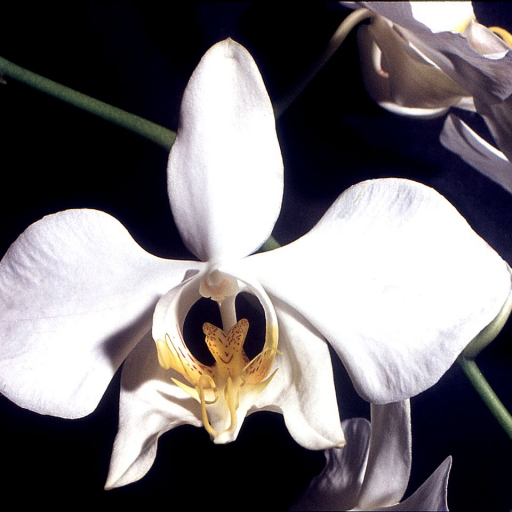
Known as the "Singular Beauty," the Phalaenopsis × singuliflora is a rare and exquisite natural hybrid that bridges the gap between two orchid legends: P. bellina and P. sumatrana. Unlike the mass-produced "Moth Orchids" seen in supermarkets, this variety retains the wild, star-shaped elegance of its ancestors. It is a prized possession for collectors who crave the untamed aesthetics of the Southeast Asian rainforest.
🔍 How to Identify
- 🌸 Star-Shaped Blooms: Unlike the rounded petals of common hybrids, these flowers have a distinct "star" silhouette with pointed sepals and petals.
- 🕯️ Waxy Texture: The blossoms possess a thick, heavy substance that feels almost like carved wax or polished plastic to the touch.
- 🍃 Succulent Foliage: The leaves are broad, oval, and exceptionally glossy, often appearing a lighter, more vibrant green than standard windowsill orchids.
🏡 In Your Garden
- ☁️ The Humidity Factor: Because this is a natural hybrid from humid forest floors, it struggles in dry air. It doesn’t just like moisture; it craves it. A pebble tray or a nearby humidifier is essential to prevent the leaf tips from browning.
- 🌡️ Warmth Seekers: This orchid is a "warm grower." It lacks the "chill trigger" many other orchids need to bloom; instead, it prefers consistent, balmy temperatures year-round and will pout (stop growing) if exposed to cold drafts.
⚠️ Safety & Toxicity
- ✅ Non-Toxic: Good news for pet owners! This orchid is considered non-toxic to cats, dogs, and horses.
- 👶 Child Safe: There are no known irritants or poisons in the leaves or flowers, making it a safe choice for curious toddlers and busy households.
✨ Fun Fact
🍋 Morning Perfume: Most specimens of Phalaenopsis × singuliflora are highly fragrant. If you smell the flower in the mid-morning when the sun hits the petals, you’ll likely catch a sophisticated scent of spicy citrus or sweet lilies!

Detailed Care Instructions
| Humidity | High |
| Lighting | Full Sun |
| Difficulty | Medium |
| Temperature | 20°C - 35°C |
| Hardiness Zones | 10 - 12 |
To grow a Phalaenopsis × Singuliflora plant, also known as a Moth Orchid, you can follow these steps:
- Choose the right growing conditions: Moth Orchids thrive in bright indirect light, ideally in a spot with eastern or southern exposure. They prefer temperatures between 60-85°F (15-30°C) during the day and slightly cooler at night.
- Select a suitable pot and potting medium: Use a pot with good drainage holes to prevent waterlogging. For Phalaenopsis × Singuliflora, a medium-grade orchid bark mix or sphagnum moss is typically preferred. This provides sufficient drainage while retaining some moisture.
- Watering: Water the orchid thoroughly and allow excess water to drain out completely. It's important to let the roots dry out a bit between waterings to prevent root rot. Aim for watering once a week or when the potting medium feels dry to the touch.
- Humidity and ventilation: Moth Orchids appreciate higher humidity levels, preferably around 50-70%. Placing a tray filled with water near the orchid or using a humidifier can help increase humidity. Adequate airflow is also important, so ensure there is some ventilation in the growing area.
- Fertilization: Use a balanced orchid fertilizer (such as 20-20-20) or a specifically formulated orchid fertilizer. Dilute the fertilizer to half strength and apply it once a month during the growing season (spring to early fall). Avoid fertilizing during the dormant period.
- Pruning: Remove any dead or yellowing leaves or spent flowers to maintain the plant's health and appearance. Pruning should be done using sterilized tools, such as scissors or shears.
- Provide support: As the plant grows, support the stem by using bamboo stakes or orchid clips. This will help prevent damage and promote upright growth.
- Repotting: Moth Orchids only need to be repotted every 1-2 years when the potting medium has broken down or the plant has outgrown its container. Repot during the spring after flowering and use fresh potting medium.
- Keep an eye out for pests: Common pests that can affect Moth Orchids include aphids, scale, mealybugs, and spider mites. Regularly inspect the plant for any signs of pest infestation and treat them promptly using appropriate insecticidal soaps or horticultural oils.
- Maintain a consistent care routine: Moth Orchids appreciate consistency in their care routine and may take time to adjust to changes. Avoid sudden temperature fluctuations, overwatering, or drastic changes in lighting conditions.
Remember, each orchid may have specific care requirements, so it's always beneficial to do additional research or consult with an orchid expert to ensure the best care for your Phalaenopsis × Singuliflora plant.

Place in a window with dappled sun or a spot in the middle of a room. Or directly in a window facing west or east.

To water this particular plant, it is important to use room temperature water. The frequency of watering depends on a few factors such as the size of the pot, amount of light and humidity. The soil should be kept moist but not soaking. Water should be poured into the top of the pot and allowed to drain out the bottom to ensure the entire plant is receiving proper moisture. It is important to avoid getting water on the leaves or flowers as this can cause damage or rot. Overwatering can lead to root rot and under-watering can cause the plant to dry out and die.
Start by diluting a balanced fertilizer in water according to the package instructions. Then, apply the dilution to the plant's soil every two weeks during the growing season. Be sure to water the plant before and after fertilizing to prevent damage to the roots. Reduce fertilizing frequency during the plant's dormant season. Furthermore, avoid over-fertilizing as it can result in root burn and damage.
The ideal soil for Phalaenopsis × Singuliflora plants should be well-draining and aerated. It is important that the soil does not become waterlogged as this can lead to the roots rotting. A mix of coarse bark, sphagnum moss and perlite is often recommended as it provides good air circulation and drainage. The soil should be slightly acidic, with a pH range of 5.5 to 6.5 to ensure optimal growth and blooming. Additionally, it is important to use clean soil that is free from any pests or diseases that could harm the plant.
Propagation of this plant can be done through division of the mature plant. Start by removing the plant from its pot and gently separating the root clump into smaller sections, making sure that each section has roots attached.
Trim off any damaged or dead roots and plant each section in its own pot filled with appropriate potting mix.
Provide a warm and humid environment for the new plants and keep them in indirect light.
Make sure to water the plants regularly and mist them with water to maintain the humidity.
With proper care, the new plants will start to grow and eventually mature into their own healthy plants.
Common pests of the moth orchid include Scale insect, mealybugs, spider mites, thrips. Make a habit of checking your moth orchid frequently for pests so that any infestations can be caught and managed early.








