Plant Overview
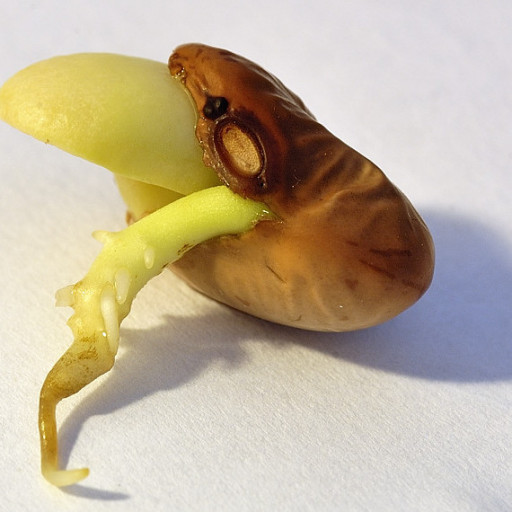
The Common Bean, scientifically known as Phaseolus vulgaris, is arguably the most important legume in the world. Whether you call them Green Beans, Kidney Beans, or String Beans, they all belong to this single, incredibly diverse species. Originally domesticated in Central and South America, this plant is a cornerstone of the famous "Three Sisters" planting method, where it climbs up corn stalks while providing vital nutrients to the soil.
🔍 How to Identify
- 🍃 Leaf Shape: The plant features "trifoliate" leaves, meaning each leaf is composed of three distinct, heart-shaped leaflets with a slightly fuzzy texture.
- 🌸 Delicate Blooms: It produces small, pea-like flowers that look like tiny butterflies. These can be white, pink, or pale purple depending on the specific variety.
- 🫛 The Pods: The seeds develop inside elongated pods. While we often think of them as green, they can also be found in striking shades of yellow (wax beans) or deep, royal purple.
🏡 In Your Garden
- 🤝 Soil Enrichment: Beans are nature’s own fertilizers. They have a unique ability to "fix" nitrogen from the air into the soil through their roots, leaving the ground richer for whatever you plant next season.
- 🧗 Climbers vs. Bush: You must choose your space wisely! "Pole beans" are vigorous climbers that require a trellis or fence, while "Bush beans" grow in compact, low-to-the-ground mounds perfect for small containers.
- 🚫 Handle with Care: These plants have very shallow, sensitive root systems. They "resent" being moved, so it is always better to sow the seeds directly into their final spot rather than starting them in pots and transplanting.
⚠️ Safety & Toxicity
- 🤢 Status: Edible but requires caution. Raw mature beans, especially red kidney beans, contain a natural toxin called phytohaemagglutinin.
- 🧼 Preparation: To stay safe, mature dried beans must be soaked and boiled thoroughly to neutralize toxins. While the young green pods are safe to eat raw, they are much easier on the stomach when lightly steamed.
- 🐾 Pets: Generally non-toxic to cats and dogs if they nibble the leaves, but ingestion of raw, dried beans can cause significant vomiting or diarrhea.
✨ Fun Fact
Beans are time travelers! Archaeologists have found Phaseolus vulgaris seeds in Peruvian caves that are over 7,000 years old, proving they have been a reliable partner to humanity since the very beginning of agriculture.

Detailed Care Instructions
| Color | Green |
| Soil Ph | 6.0-6.2 |
| Humidity | Normal |
| Lighting | Full Sun |
| Toxicity | Toxic |
| Soil Type | Loamy, Moist, Well-Drained |
| Bloom Time | Spring, Summer |
| Difficulty | Medium |
| Plant Type | Annual |
| Mature Size | 2 To 15 Feet Tall |
| Native Area | South America, Central America |
| Temperature | 18°C - 25°C |
| Sun Exposure | Full Sun |
| Hardiness Zones | 2-10 |
To grow Phaseolus vulgaris, or common beans, follow these steps:
- Choose a suitable location: Beans require full sun, so select an area in your garden that receives at least 6 hours of sunlight per day. The soil should be well-draining and slightly acidic, with a pH between 6.0 and 6.8.
- Prepare the soil: Clear the area of any weeds or debris. Dig the soil to a depth of about 8 to 10 inches (20 to 25 cm) and incorporate organic matter like compost or well-rotted manure to improve fertility and drainage.
- Choose the bean variety: There are numerous types of common beans, including bush beans (compact plants) and pole beans (vining plants). Decide which type suits your space and preference. Some popular varieties include Provider, Blue Lake, and Kentucky Wonder.
- Plant the seeds: Sow the seeds directly into the prepared soil after the danger of frost has passed and when the soil temperature is above 60°F (15°C). Dig holes or make furrows about 1 inch (2.5 cm) deep and space them according to the recommended planting distance for your chosen variety (usually around 2 to 4 inches or 5 to 10 cm apart). Drop the seeds into the holes or furrows, cover them with soil, and gently firm the surface.
- Water regularly: Water the newly planted seeds immediately after planting and then keep the soil consistently moist, but not waterlogged, throughout the growing season. Aim to provide about 1 inch (2.5 cm) of water per week. Avoid overhead watering to minimize the risk of fungal diseases.
- Provide support (if applicable): If you're growing pole beans, install trellises or stakes for the vines to climb on. This will help maximize space and prevent damage to the plants.
- Mulch the soil: Apply a layer of organic mulch around the base of the plants to conserve moisture, suppress weeds, and regulate soil temperature.
- Fertilize as needed: Beans generally do not require heavy fertilization if the soil is already rich in organic matter. However, if the plants show signs of nutrient deficiency, you can apply a balanced, water-soluble fertilizer according to the manufacturer's instructions.
- Control pests and diseases: Common pests that attack beans include aphids, bean leaf beetles, and Mexican bean beetles. Monitor your plants regularly, and if necessary, use organic pest control methods like handpicking, insecticidal soap, or neem oil. Diseases like powdery mildew, bacterial blight, and root rot can also affect beans. Practice good plant hygiene, avoid overcrowding, and provide adequate air circulation to minimize disease risks.
- Harvesting: Beans are typically ready for harvest within 50 to 60 days. Harvesting times may vary depending on the variety and climate. Pick the pods when they are firm and crisp, but before the beans inside fully develop. For bush beans, continue harvesting regularly to encourage continued pod production.
Remember to rotate your bean crops every year to prevent disease buildup in the soil. With proper care and attention, you should be able to grow healthy and productive Phaseolus vulgaris plants.

Place in a bright room that is sun drenched almost all day. Or directly in a south-facing window.

The best way to water this plant is to water it at the base of the stem. This will ensure that the water reaches the roots and is absorbed properly. It is important to give it just enough water, as overwatering can lead to root rot, while under watering can cause the plant to wilt and die. Keep the soil moist but not waterlogged, and avoid splashing water on the leaves, as this can cause fungal diseases. It is also important to water the plant in the morning or evening, when the temperatures are cooler, to avoid water loss due to evaporation.
To fertilize the Phaseolus Vulgaris plant, you should use a nitrogen-rich fertilizer and apply it to the soil around the plant, avoiding contact with the leaves. It is important to fertilize the plant before it begins to produce pods, and then to continue fertilizing every 2-3 weeks throughout the growing season. Be careful not to over-fertilize, as this can lead to excessive leaf growth and reduced production of pods. Finally, make sure to water the plant well after fertilizing to promote nutrient absorption.
The optimal soil type for the Phaseolus Vulgaris plant typically has a pH ranging from 6.0 to 6.5, is well-drained, and rich in organic matter. The soil should be loose and friable, allowing for good root penetration and oxygen exchange. The plant prefers a fertile soil that is moderate in nutrients, with good water-holding capacity. It is generally recommended to avoid heavy clay soils, as they can become compacted and minimally draining. Additionally, it is important to ensure that the soil is free of herbicide residues that can harm the plant. Overall, a nutrient-rich and well-prepared soil is essential for optimal growth and maximum yields.
There are several methods to propagate this particular plant. The first method is by taking stem cuttings. This involves selecting a healthy and disease-free stem from the main plant and cutting it into small pieces. These pieces can then be placed in moist soil or water until roots begin to form.
Another method of propagation is through the use of seeds. The seeds can be collected from mature plants and soaked in water for several hours. After this, they can be planted in soil or a seed tray and left to germinate.
Finally, this plant can also be propagated through division. This method involves carefully dividing the roots of a mature plant and planting them separately in new soil. It is important to ensure that each new plant has enough root structure to support growth and development.
Common pests of the bean include Aphids, whiteflies. Make a habit of checking your bean frequently for pests so that any infestations can be caught and managed early.








