Plant Overview
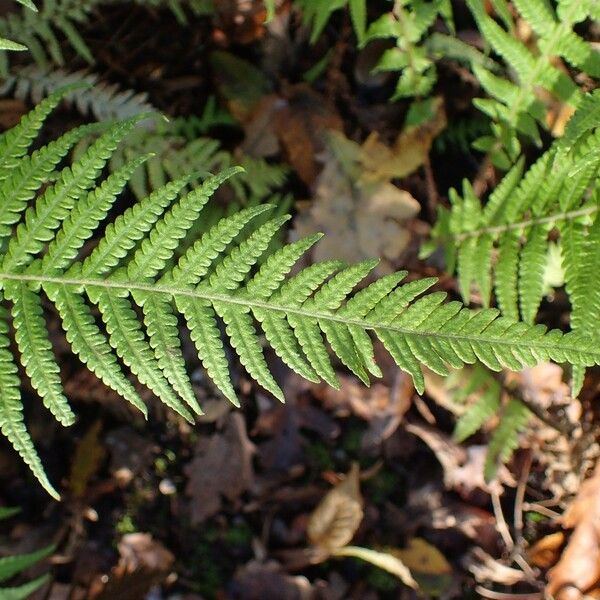
Often called the Japanese Beech Fern, this elegant perennial is a favorite for those seeking a lush, "forest-floor" aesthetic. It is prized for its upright, light-green fronds that bring a soft, feathery texture to shaded corners. Unlike many ferns that stay in tight clumps, this species likes to roam slightly via rhizomes, creating a beautiful, emerald groundcover over time.
🔍 How to Identify
- 🌿 The "Wings": Look closely at the central stem (rachis); the leaf segments are "decursive," meaning the leaf tissue extends down the stem to create a continuous green wing between the leaflets.
- 🍃 Frond Shape: The fronds are narrow, lance-shaped, and taper at both ends, typically reaching a height of 1 to 2 feet.
- 🎨 Color & Texture: The foliage is a vibrant, refreshing lime green with a soft, slightly hairy or "pubescent" texture on the undersides of the leaves.
🏡 In Your Garden
- 💧 Moisture Lover: While it can handle a bit more light than other ferns, it is a thirsty plant. It requires consistently moist, well-draining soil and will "pout" or wilt quickly if allowed to dry out completely.
- 🌱 Spreading Habit: Because it spreads via underground runners, it is excellent for stabilizing soil on shaded slopes or filling in gaps between larger perennials like Hostas.
- 🍂 Winter Rest: This is a deciduous fern. Do not be alarmed when it turns brown and withers in late autumn; simply prune the dead fronds back to the ground, and it will re-emerge with fresh "fiddleheads" in the spring.
⚠️ Safety & Toxicity
- 🐾 Pet Friendly: This fern is generally considered non-toxic to cats, dogs, and horses, making it a "worry-free" addition to a pet-owner's backyard.
- 👶 Safe for Kids: There are no known toxic properties for humans, though it is always best to ensure children do not ingest garden plants to avoid minor stomach upset.
✨ Fun Fact
The name decursive-pinnata is a literal botanical map! "Pinnata" refers to the feather-like arrangement of the leaves, while "decursive" describes the unique way the leaf base "runs down" the stem, a rare feature that distinguishes it from its Beech Fern cousins.

Detailed Care Instructions
Phegopteris Decursive-pinnata plants require regular watering to maintain healthy growth. When watering this plant, it is important to avoid overwatering, as it can lead to root rot and other issues. The best way to water this plant is to provide it with a consistent amount of water, without allowing the soil to become too wet or too dry.
To determine when to water your Phegopteris Decursive-pinnata plant, you should check the moisture level of the soil regularly. Stick your finger into the soil at least an inch deep to see if it feels dry. If it does, it's time to water your plant.
When watering your Phegopteris Decursive-pinnata plant, use room temperature water and pour it slowly onto the soil around the base of the plant. Avoid getting water on the leaves or fronds, as this can cause damage or lead to disease. Water the plant until the soil feels moist but not soggy.
In general, Phegopteris Decursive-pinnata plants require more frequent watering in the summer months and less frequent watering in the winter. However, the exact watering schedule will vary depending on the specific growing conditions in your home or garden. With regular monitoring and careful attention to the plant's moisture levels, you can help keep your Phegopteris Decursive-pinnata healthy and thriving.
The Phegopteris Decursive-pinnata plant grows best in well-draining soil that is rich in organic matter. The soil should be slightly acidic, with a pH between 5.5 and 6.5. It is important to avoid soils that are too compact or heavy, as this can inhibit root growth and water retention. Adding sand or perlite to the soil mixture can help improve drainage. It is also important to ensure that the soil is consistently moist but not waterlogged. Regularly adding organic matter to the soil can help improve its structure and fertility, which will in turn promote healthy growth of the Phegopteris Decursive-pinnata plant.








