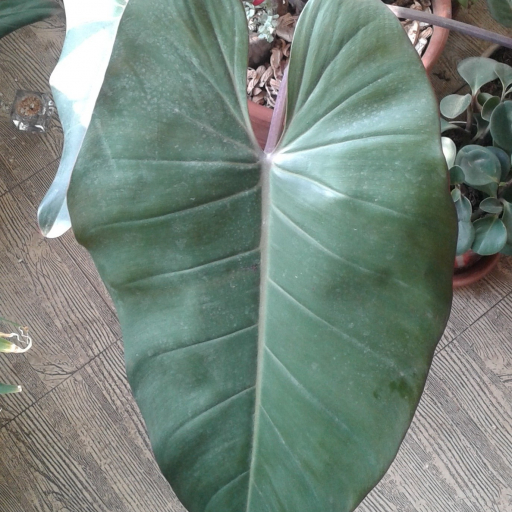
Plant Overview
The Philodendron appendiculatum is a dramatic tropical climber hailing from the lush Atlantic forests of Brazil. Often sought after by "aroid" collectors, it is celebrated for its remarkable transformation; while it starts as a modest seedling, it eventually develops massive, deeply lobed leaves that look like green architectural masterpieces. Its name comes from the unique "appendages" or small lobes found at the base of its leaves.
🔍 How to Identify
- 🍃 Mature Foliage: Adult leaves are large and pinnatifid, meaning they are deeply cut into finger-like lobes that give the plant a skeletal yet lush appearance.
- 🪴 Growth Habit: This is a true hemiepiphyte. It begins life on the forest floor and quickly seeks out a tree trunk to climb toward the canopy light.
- 🟢 Leaf Texture: The leaves have a semi-glossy, leathery texture with prominent veins that create a ribbed effect across the surface.
🏡 In Your Garden
- 🧗 Support is Essential: To see this plant reach its full potential, you must provide a moss pole or a rough cedar plank. Without something to grip, the leaves will remain small and juvenile rather than developing their signature deep lobes.
- 💧 The "Chunky" Secret: In its natural habitat, its roots are exposed to plenty of air. At home, it hates "wet feet." Use a soil mix heavy in orchid bark and perlite to ensure the roots can breathe even after a heavy watering.
⚠️ Safety & Toxicity
- 🐾 Toxic to Pets: Like all members of the Araceae family, this plant contains insoluble calcium oxalate crystals.
- 👄 Irritant: If leaves are chewed or swallowed, they can cause immediate burning of the mouth and throat, swelling, and digestive distress. It is best kept on high shelves or in rooms inaccessible to curious pets or small children.
✨ Fun Fact
The specific epithet appendiculatum refers to the small, ear-like lobes (appendages) at the base of the leaf. In the wild, these "ears" help the plant channel rainwater directly toward its own stem and root system, ensuring it stays hydrated during brief tropical showers!

Detailed Care Instructions

Place in a window with dappled sun or a spot in the middle of a room. Or directly in a window facing west or east.

The presence of a dry surface layer of soil does not indicate that the plant requires water. Instead, stick your finger 1-2" (3-5 cm) deep in the soil to feel dampness or moisture content. If the soil seems dry, it's time to water your greens. If the soil is still moist, however, it is better not to water your plant and instead wait a day or two. Overwatering or waterlogging raises the risk of root rot. So if the soil takes longer than a week to dry, check the light conditions because it's likely that the plant isn't getting enough light. It's fine if the upper layer of soil is dry between waterings, but the deeper soil layer should always have some moisture.
These plant needs regular fertilizing during growing seasons. Fertilizing your plants in dormant state during the winter, might result in scorching or browning of the leaf tips. If mature plants display signs of nutrient insufficiency, fertilizer administration is necessary to restore the plant to its previous state.
You may use All Purpose Plant Food or Green Plant Food for your Philodendron Appendiculatum
Common pests of the philodendron appendiculatum include Mealybugs, spider mites, thrips. Make a habit of checking your philodendron appendiculatum frequently for pests so that any infestations can be caught and managed early.








