Plant Overview
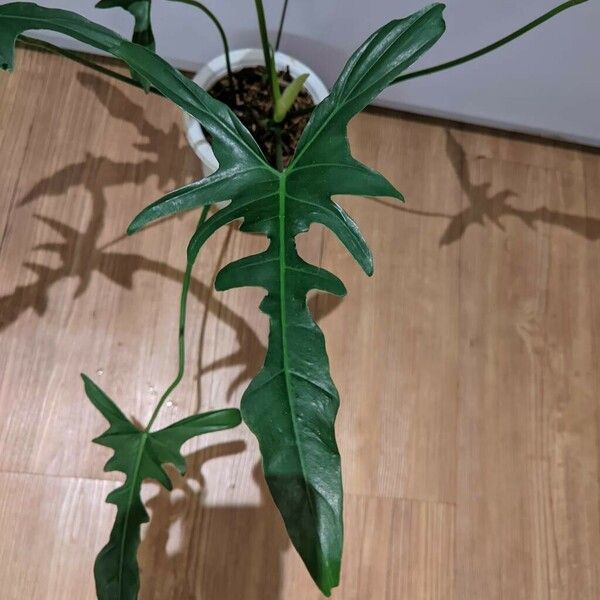
Often called the "Slender-Ear Philodendron," this striking aroid is considered a "holy grail" for many indoor jungle enthusiasts. Its dramatic, elongated foliage looks like it was plucked straight from a prehistoric jungle sketch, featuring lobes that can grow remarkably long and narrow. While it may look like a high-maintenance diva, this slow-growing beauty is a rewarding companion for collectors who appreciate architectural greenery.
🔍 How to Identify
- 🗡️ The "Sword" Leaf: The central lobe of the leaf is incredibly long and narrow, tapering to a fine point that gives the plant a sharp, elegant silhouette.
- 🐰 Bunny Ears: At the base of the leaf, two distinct side lobes flare outward like rabbit ears, creating a multi-pronged shape that distinguishes it from more common Philodendrons.
- 📏 Leathery Texture: The leaves are thick and semi-glossy, held up by long, sturdy petioles (stems) that allow the plant to spread its "fingers" wide.
🏡 In Your Garden
- 🧗 The Climbing Urge: This plant is a natural-born climber. In your home, it absolutely requires a moss pole or cedar plank to mimic its native tree-climbing habit; without support, its growth will remain small and stunted.
- 🧪 The Chunky Mix: It hates "wet feet." To keep it happy, use a very airy, chunky aroid mix (bark, perlite, and charcoal) rather than standard potting soil to ensure the roots stay oxygenated.
- 🌤️ Canopy Light: It thrives in bright, indirect light. Think of the dappled sun under a tropical canopy—direct afternoon sun will scorch those long, beautiful leaves.
⚠️ Safety & Toxicity
- 🚫 Toxic to Ingestion: This plant is for looking, not tasting. Like most Philodendrons, it contains calcium oxalate crystals.
- 🐾 Pets & Kids: If leaves or stems are chewed, they can cause immediate mouth irritation, swelling of the throat, and digestive distress. Keep this specimen on a high shelf or in a dedicated plant room away from curious cats, dogs, or toddlers.
✨ Fun Fact
In its native habitat in the rainforests of South America, a mature Philodendron longilobatum can produce leaves that exceed three feet in length, appearing like massive green "claws" reaching through the canopy!

Detailed Care Instructions
Growing a Philodendron Longilobatum, like other Philodendron species, involves providing it with appropriate light, water, soil, and temperature conditions. Here are some steps to help you successfully grow this plant:
Light
Philodendrons generally prefer medium to bright indirect light. Although they can tolerate lower light conditions, their growth may slow down, and their leaves may become smaller. Avoid direct sunlight, which can scorch their leaves.
Water
- Watering Frequency: Water the plant when the top inch or so of soil is dry. This usually means watering once a week, but it can vary based on the environment, season, and pot size.
- Watering Technique: Water thoroughly until water drains out of the bottom of the pot. Make sure the pot has good drainage to prevent waterlogging, which can lead to root rot.
Soil
- Type of Soil: Use a well-draining, aerated potting mix. A mix designed for aroids (plants in the Araceae family) or an all-purpose potting mix enhanced with perlite, peat moss, or orchid bark will work well.
- Pot: Choose a pot with drainage holes to avoid water accumulation.
Temperature and Humidity
- Temperature: Philodendron Longilobatum thrives in temperatures between 65°F and 80°F (18°C to 27°C). Avoid exposing the plant to temperatures below 55°F (13°C) for extended periods.
- Humidity: Higher humidity levels are beneficial. Aim for at least 50% humidity. You can increase humidity by using a humidifier, placing a tray of water near the plant, or misting the leaves regularly.
Fertilization
- Type of Fertilizer: Use a balanced, water-soluble houseplant fertilizer.
- Frequency: Fertilize every 4-6 weeks during the growing season (spring and summer). Reduce or stop fertilizing in the fall and winter when the plant's growth naturally slows down.
Pruning and Support
- Pruning: Trim any yellow, dead, or damaged leaves to maintain the plant's health and appearance.
- Support: If your Philodendron grows long and lanky, consider using a moss pole or trellis to support it and encourage vertical growth.
Repotting
Repot your Philodendron every 1-2 years or when it becomes root-bound. Choose a pot that's 1-2 inches larger in diameter than the current one.
Common Pests and Problems
- Pests: Keep an eye out for common houseplant pests like spider mites, aphids, and mealybugs. Treat infestations promptly with insecticidal soap or neem oil.
- Problems: Watch for signs of overwatering (yellow leaves, root rot) and underwatering (brown, crispy leaves).
By following these guidelines, you can create an environment where your Philodendron Longilobatum will thrive and become a beautiful addition to your indoor plant collection.

Place in a window with dappled sun or a spot in the middle of a room. Or directly in a window facing west or east.

Watering a Philodendron Longilobatum requires paying attention to specific aspects to ensure healthy growth. Here’s some detailed guidance:
1. Soil Moisture: This plant prefers consistently moist but not waterlogged soil. Water the plant when the top inch or two of the soil feels dry to the touch.
2. Water Quality: Use room temperature, distilled or filtered water if possible. Tap water may contain chlorine and other chemicals that can stress the plant. Allowing tap water to sit out for 24 hours can help dissipate these chemicals.
3. Watering Technique: Water the soil thoroughly until it begins to drain out of the bottom of the pot, ensuring that the entire root system is moistened evenly. Avoid watering the foliage directly.
4. Drainage: Ensure the pot has drainage holes to prevent water from accumulating at the bottom, which can cause root rot.
5. Schedule: Adapt your watering schedule depending on the season and indoor conditions. During the warmer, growing months, you may need to water more frequently. In contrast, during the cooler, dormant months, the plant requires less water.
6. Humidity: This tropical plant benefits from higher humidity. Misting the plant or using a humidity tray can help maintain the right moisture levels. During dry indoor conditions, it might benefit from a room humidifier.
Regularly monitor the plant to adjust the watering routine as necessary and always check the soil moisture level before adding more water.
Here are the fertilizing instructions for your Philodendron Longilobatum:
- Type of Fertilizer: Use a balanced, water-soluble fertilizer with a ratio such as 20-20-20, which contains equal parts nitrogen (N), phosphorus (P), and potassium (K). Alternatively, you can also use a fertilizer formulated specifically for houseplants or tropical plants.
- Dilution: Dilute the fertilizer to half the strength recommended by the manufacturer. This helps prevent over-fertilization and potential root burn.
- Frequency of Application: Fertilize the plant every 4-6 weeks during the growing season, which typically runs from spring to early fall. Reduce the frequency to once every 8-10 weeks during the dormant period in late fall and winter when the plant's growth naturally slows down.
- Application Method:
- Mix the diluted solution thoroughly.
- Water the plant as you normally would, ensuring the soil is moist but not waterlogged.
- Pour the fertilizer solution around the base of the plant, avoiding direct contact with the leaves.
- Ensure that excess fertilizer solution drains out from the bottom of the pot to avoid root rot.
- Mix the diluted solution thoroughly.
- Signs of Over-Fertilization: Watch for signs such as yellowing leaves, crispy leaf edges, or slowed growth. If you notice any of these signs, flush the soil with plenty of water to remove excess salts and pause fertilization for a few weeks.
- Additional Tips:
- Adjust the fertilization schedule based on the plant's growth and health.
- Always follow the manufacturer's guidelines for dilution and application frequency.
- Ensure the plant receives appropriate light and water to complement the fertilization process and promote healthy growth.
By following these instructions, you can provide your plant with the nutrients it needs to thrive.
- Adjust the fertilization schedule based on the plant's growth and health.
Philodendron Longilobatum thrives best in a well-draining soil mix that retains moisture but does not become waterlogged. Here's a detailed breakdown of the ideal soil composition for this plant:
- Base Potting Mix: Start with a high-quality, all-purpose potting mix. This provides an initial balance of nutrients and moisture retention.
- Aeration: To ensure good aeration and prevent root rot, incorporate amendments that improve drainage. Common additions include perlite, coarse sand, and orchid bark. Perlite is lightweight and helps aerate the soil, while coarse sand improves drainage. Orchid bark gives large chunks that create air pockets in the soil.
- Organic Matter: Incorporate organic matter such as peat moss or coco coir to maintain moisture without making the soil too dense. These materials help with water retention while still allowing excess water to drain away.
- Nutrient Content: Adding compost or worm castings can improve the nutrient content of the soil. These organic amendments provide a slow release of nutrients, supporting the plant's growth over time.
- pH Level: Philodendron Longilobatum prefers slightly acidic to neutral soil, with a pH range of 5.5 to 7. Ensuring the soil mix is within this range helps the plant absorb nutrients efficiently.
Here's a possible soil mix recipe:
- 40% All-purpose potting mix
- 20% Perlite
- 20% Orchid bark
- 10% Peat moss or coir
- 10% Compost or worm castings
Mix these components thoroughly before potting the plant to ensure a consistent blend. Regularly check the soil moisture and adjust watering practices to maintain appropriate moisture levels, avoiding both drying out and overwatering.
Propagating a Philodendron Longilobatum can be done through stem cuttings. Here's a detailed guide to help you with the process:
Materials Needed:
- Sharp, sterile pruning shears or scissors
- A clean glass jar or container
- Water
- Rooting hormone (optional)
- Potting mix suitable for Philodendrons
- Small pots
- Plastic wrap or a plastic bag (to create a humidity dome)
Steps:
- Select a Healthy Parent Plant:
- Choose a healthy parent plant with strong, mature stems. Look for a stem section that has at least one node and a few leaves.
- Choose a healthy parent plant with strong, mature stems. Look for a stem section that has at least one node and a few leaves.
- Make the Cut:
- Using your pruning shears or scissors, cut a section of the stem below a node. Ensure the cutting is about 4-6 inches long and has at least one or two leaves.
- Using your pruning shears or scissors, cut a section of the stem below a node. Ensure the cutting is about 4-6 inches long and has at least one or two leaves.
- Optional: Apply Rooting Hormone:
- Dip the cut end of the stem in water and then into the rooting hormone powder if you choose to use it. This step can promote faster root growth but is not absolutely necessary.
- Dip the cut end of the stem in water and then into the rooting hormone powder if you choose to use it. This step can promote faster root growth but is not absolutely necessary.
- Water Propagation:
- Place the cutting in a jar of clean water, making sure that at least one node is submerged. Ensure the leaves do not touch the water to avoid rot.
- Position the jar in a location with bright, indirect light. Change the water every few days to keep it fresh and to prevent bacterial growth.
- Roots should start to develop within a few weeks. Be patient, as it may take a little longer depending on the conditions.
- Place the cutting in a jar of clean water, making sure that at least one node is submerged. Ensure the leaves do not touch the water to avoid rot.
- Transition to Soil:
- Once the roots are about 1-2 inches long, the cutting can be transferred to soil.
- Prepare a small pot with well-draining potting mix suitable for Philodendron species.
- Make a hole in the center of the soil and gently place the cutting into the hole. Cover the roots with soil and gently firm it around the base of the cutting.
- Once the roots are about 1-2 inches long, the cutting can be transferred to soil.
- Create a Humid Environment:
- To help the cutting adapt to its new environment and reduce transplant shock, you can create a humidity dome. Cover the pot loosely with plastic wrap or a plastic bag. Make sure the covering does not touch the leaves.
- To help the cutting adapt to its new environment and reduce transplant shock, you can create a humidity dome. Cover the pot loosely with plastic wrap or a plastic bag. Make sure the covering does not touch the leaves.
- Care After Planting:
- Place the pot in a warm location with bright, indirect light.
- Keep the soil consistently moist but not waterlogged. Overwatering can cause root rot, so be cautious.
- Remove the plastic covering once you notice new growth, which indicates the cutting has established roots.
Tips:
- Place the pot in a warm location with bright, indirect light.
- Use a well-draining soil mix that retains some moisture but doesn’t stay soggy.
- Be patient. Root development can vary with different cuttings, and it might take a few weeks for substantial growth.
- Maintain a warm temperature and high humidity, as these conditions are ideal for root development.
Propagation is a rewarding process, and following these steps will increase your chances of success. Happy gardening!
Common pests of the philodendron longilobatum include Mealybugs, spider mites, thrips. Make a habit of checking your philodendron longilobatum frequently for pests so that any infestations can be caught and managed early.








