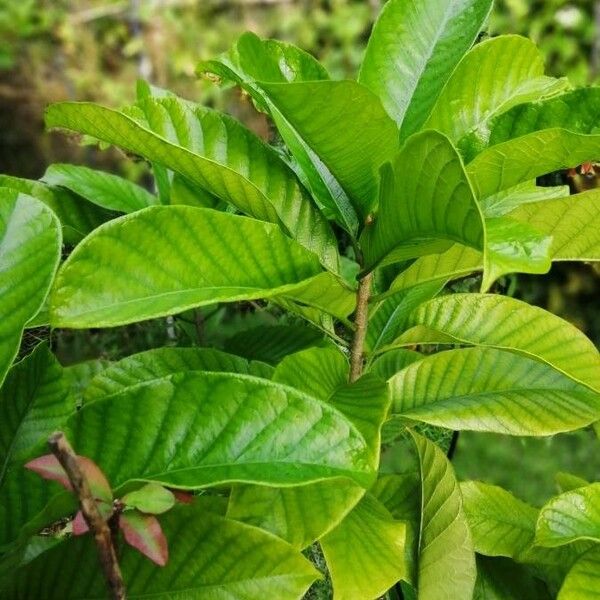
Plant Overview
Known as the "Pink Bell Flower" or "Bua Sawan," Phlogacanthus turgidus is a tropical showstopper native to the humid forests of Vietnam. It is prized by collectors for its dramatic, upright flower spikes that look like a slow-motion explosion of pink fireworks. Though it carries a regal appearance, it is surprisingly resilient when given the tropical warmth it craves.
🔍 How to Identify
- 🌸 The Blooms: Densely packed, cone-shaped clusters (thyrses) of tubular, trumpet-like flowers that range from soft lilac to vibrant magenta.
- 🍃 The Foliage: Large, lance-shaped leaves with a deep green, glossy finish and distinct, pale veins that create a textured look.
- 🏗️ Growth Habit: An evergreen shrub that grows with a sturdy, upright posture, often featuring slightly "square" stems which are a hallmark of the Acanthaceae family.
🏡 In Your Garden
- 🌦️ Humidity Lover: This plant is an understory species, meaning it thrives in high humidity and "dappled" sunlight. It’s a perfect choice for those tricky, humid spots under a tree canopy or near a water feature.
- ✂️ Pruning Nuance: To prevent the plant from becoming "leggy" or sparse at the bottom, it should be pinched back after the blooming season. This encourages a bushier shape and more flower spikes for the following year.
- 💧 Thirsty Roots: It dislikes "wet feet" (soggy soil) but will wilt dramatically if the soil dries out completely. Consistent moisture is the secret to keeping those large leaves turgid and upright.
⚠️ Safety & Toxicity
- ✅ Status: Non-toxic and generally safe.
- 🐾 Details: There are no known reports of Phlogacanthus turgidus being poisonous to cats, dogs, or humans. However, as with any ornamental plant, ingesting large amounts of foliage may cause mild stomach upset in curious pets.
✨ Fun Fact
The species name turgidus comes from the Latin word for "swollen" or "inflated," referring to the way the flower buds look just before they burst open into their beautiful bell shapes!

Detailed Care Instructions
To grow Phlogacanthus turgidus, also known as the Brazilian Fireworks plant, follow these steps:
- Climate and soil: Phlogacanthus turgidus thrives in warm, tropical climates. Ensure the location receives full to partial sun and has well-draining soil.
- Propagation: You can propagate Phlogacanthus turgidus through stem cuttings or seeds. If using stem cuttings, select a healthy branch and cut it just below a leaf node. Remove the lower leaves and dip the end in a rooting hormone. Plant the cutting in a pot filled with moist, well-draining soil and keep it in a warm place with partial sunlight. It will root within a few weeks. If using seeds, sow them in a nursery tray filled with well-draining soil. Keep the soil moist and warm until the seeds germinate.
- Planting: Once the cutting has rooted or the seedlings have grown enough, transplant them into larger pots or directly into the ground. Ensure there is enough spacing between plants as they can grow up to 3-4 feet in height and spread.
- Watering: Phlogacanthus turgidus requires regular watering to keep the soil moist, especially during the growing season. However, be careful not to overwater, as it can lead to root rot. Allow the top layer of soil to dry between waterings.
- Fertilizing: Feed the plants with a balanced, water-soluble fertilizer every 2-4 weeks during the growing season. Avoid fertilizing during the dormant period.
- Pruning: Regular pruning is essential to maintain the plant's shape and promote bushy growth. Trim any dead or damaged branches, and prune back the plant after flowering to encourage new growth.
- Pests and diseases: Phlogacanthus turgidus is generally resistant to most pests and diseases. However, keep an eye out for common garden pests such as aphids and mealybugs. Treat any infestations immediately with organic insecticides or insecticidal soap.
- Winter care: In colder regions where frost occurs, Phlogacanthus turgidus may need to be protected during winter. Mulch around the base of the plant to protect the roots or bring potted plants indoors to a warm location.
By following these guidelines, you can successfully grow Phlogacanthus turgidus and enjoy its beautiful fireworks-like flowers.
To properly water the Phlogacanthus Turgidus, the first step is to understand its watering needs. It is important to ensure you are giving the plant the right amount of water, neither too much nor too little.
The plant should be watered when the top layer of soil feels dry to the touch. It is best to use a watering can or a hose with a gentle spray to water the plant steadily until water starts to come out of the drainage holes in the bottom of the pot. It is important to avoid over-watering the plant as this can lead to root rot.
If the plant is in an area with high humidity, it may require less watering. Conversely, if the plant is in a dry or hot area, it may require more frequent watering. It is important to keep the soil moist but not waterlogged.
It is also recommended to avoid getting water on the leaves of the plant as this can lead to fungal growth. Instead, aim to water the soil around the base of the plant.
Overall, it is important to monitor the plant and adjust watering frequency as needed based on the environment and the plant's specific needs.
To fertilize this plant, use a balanced, slow-release fertilizer and apply it according to the manufacturer's instructions. It is recommended to fertilize every 4-6 weeks during the growing season. Avoid getting fertilizer on the foliage and water the plant thoroughly after fertilization. As always, monitor the plant’s growth and adjust fertilization as necessary.
Phlogacanthus Turgidus plant grows well in a well-draining soil mix with a pH ranging from 6.0 to 7.5. The soil should be light, airy, and rich in organic matter. A good soil mix for this plant can be made by combining one part perlite, two parts peat moss, and two parts coarse sand or vermiculite. This soil mix is ideal for promoting healthy root growth and allows for proper moisture retention without causing waterlogging. The plant prefers a soil that retains moisture but also drains well. Over-watering should be avoided as it can lead to root rot and other related problems. The choice of soil depends on the specific needs of the plant and the preferences of the grower. Proper soil is a critical factor in the overall health and growth of the plant.
Phlogacanthus turgidus is a tropical plant that can be propagated through stem cuttings. Here are the steps to propagate this plant:
- Choose a healthy stem that has several nodes. Nodes are the areas on the stem where leaves grow.
- Cut the stem just below a node using a sharp, clean pair of scissors or garden shears.
- Remove the lower leaves from the stem, leaving only one or two leaves near the top.
- Dip the cut end of the stem in rooting hormone powder. This will help the cutting to grow roots faster.
- Plant the stem cutting in a pot filled with well-draining soil. You can use a mix of soil and perlite or sand to ensure good drainage.
- Water the cutting well and place it in a bright, indirect light.
- Cover the pot with a plastic bag to create a humid environment for the cutting. It is important to keep the soil moist but not soggy.
- After a few weeks, you should start to see new growth from the stem cutting. Once the plant is well-established, you can remove the plastic bag and transplant it into a larger pot or outside in a suitable location.
Propagation is a great way to propagate plants, especially if you want to grow more plants from an existing specimen or share the plant with friends and family. By following these simple steps, you can successfully propagate Phlogacanthus turgidus and enjoy this beautiful tropical plant in your home or garden.








