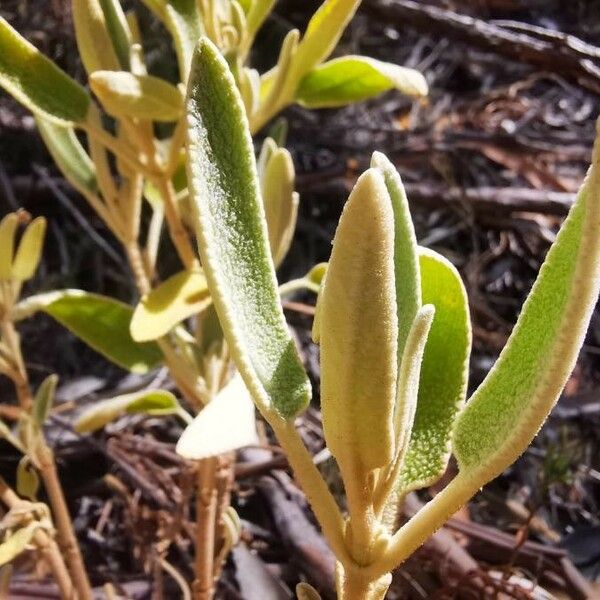
Plant Overview
Often called the Purple Jerusalem Sage, this Mediterranean native brings a touch of wild, sun-drenched hillsides to your backyard. With its architectural tiers of pinkish-purple blooms and silvery, felt-like foliage, it’s a favorite for those seeking a "set it and forget it" beauty. In its native Spain, it is affectionately known as "Matagallo," where it has been a staple of rugged landscapes for centuries.
🔍 How to Identify
- 🌸 Whorled Flowers: The blooms grow in stacked, circular clusters (verticillasters) along the stem, creating a striking "tiered" look like colorful pompoms or crowns.
- ☁️ Felted Foliage: The leaves are lance-shaped and covered in dense, soft white hairs that give the plant a dusty, silvery-green shimmer and a velvety texture.
- 📏 Sturdy Form: It grows as a woody-based shrub, typically reaching about 3 to 4 feet in height, featuring the square stems characteristic of the mint family.
🏡 In Your Garden
- ☀️ Sun-Seeker: This plant is built for intense heat; those signature woolly hairs are actually a defense mechanism used to reflect harsh sunlight and trap moisture in dry climates.
- 🏜️ Drainage is King: It thrives in rocky, poor, or sandy soils. It absolutely despises "wet feet" and will quickly suffer from root rot if left in soggy or heavy clay soil.
- ✂️ Pruning Nuance: While it is a low-maintenance survivor, cutting the spent flower stalks back to the base in late summer helps the plant maintain a tidy, compact shape rather than becoming "leggy" or woody.
⚠️ Safety & Toxicity
- ✅ Generally Safe: Phlomis purpurea is not known to be toxic to humans, dogs, or cats, making it a safe choice for family gardens.
- 🖐️ Skin Irritation: While not poisonous, the fine, felt-like hairs on the leaves can occasionally cause a mild "itchy" sensation for people with very sensitive skin. Wearing gloves during heavy pruning is recommended.
✨ Fun Fact
The name Phlomis is derived from the Greek word for "flame." In ancient times, the soft, woolly leaves were harvested, dried, and used as wicks for oil lamps!

Detailed Care Instructions
To grow Phlomis purpurea (Purple Jerusalem Sage), follow these steps:
- Choose a location: Select a well-draining spot in your garden that receives full sun to partial shade. Phlomis purpurea prefers slightly acidic to neutral soil.
- Soil preparation: Improve the soil by adding organic matter like compost or well-rotted manure. This will help with drainage and provide essential nutrients. Mix it into the top few inches of soil.
- Planting: Dig a hole slightly larger than the root ball of the plant. Gently remove the plant from its container and place it in the hole. Fill the hole with soil, pressing it down gently around the roots. Ensure the crown of the plant is level with or slightly above the soil line.
- Watering: Water the plant thoroughly after planting to settle the soil around the roots. Afterward, the plant is relatively drought-tolerant and only needs occasional deep watering if there is an extended period without rain.
- Mulching: Apply a layer of mulch around the base of the plant to help retain moisture, suppress weeds, and regulate soil temperature.
- Pruning: Prune Phlomis purpurea in early spring to remove any dead or damaged branches. This will encourage healthy growth.
- Fertilizing: Phlomis purpurea generally does not require additional fertilization if the soil is already rich in organic matter. However, you can apply a balanced slow-release fertilizer in early spring if desired.
- Pests and diseases: This plant is generally pest and disease resistant. However, keep an eye out for common garden pests like aphids or spider mites. If any infestations are detected, treat them with an appropriate organic insecticide or use natural methods for control.
Continue these care practices, and your Phlomis purpurea plant should thrive and grow well in your garden.

Place in a bright room that is sun drenched almost all day. Or directly in a south-facing window.

Phlomis Purpurea is a perennial herb that requires regular watering to ensure healthy growth and favorable blooms. When watering this plant, it is essential to use a gentle and slow method that allows for thorough soaking of its root system. Here is a detailed guide on how to water Phlomis Purpurea effectively:
1. Check the soil moisture level: Before watering your Phlomis Purpurea plant, check the moisture level of the soil by inserting your finger about an inch deep into the soil. If it feels dry to the touch, then it's time to water.
2. Choose the right time of day: Water your plant early in the morning or late in the evening when the temperature is cooler, and the sun is not too intense. Avoid watering during the hottest part of the day, as this can lead to water evaporation before the plant can absorb it.
3. Use a watering can or hose: Water gently and slowly to help the water soak deep into the soil around the plant's roots. Avoid using a high-pressure nozzle that can damage the plant, and water directly at the soil level, not the leaves.
4. Water deeply and infrequently: It is better to water deeply and infrequently than to give small amounts of water frequently. This helps the roots to grow deep into the soil, leading to a healthier and more sturdy plant.
5. Monitor soil moisture: Keep track of soil moisture levels to avoid over or underwatering. A general rule of thumb is to water the plant thoroughly once a week or whenever the soil feels dry to the touch.
By following these watering techniques, you can help your Phlomis Purpurea plant thrive and produce beautiful purple blooms.
To fertilize your Phlomis Purpurea plant, follow these instructions:
- Choose a balanced, slow-release fertilizer formulated for perennial plants.
- Begin fertilizing in early spring, before new growth emerges.
- Dilute the recommended dosage of fertilizer according to the package instructions.
- Apply the diluted fertilizer directly to the soil around the base of the plant, avoiding contact with the foliage.
- Use a gentle watering can or hose to ensure the fertilizer is distributed evenly.
- Repeat the fertilization process every 4 to 6 weeks throughout the growing season.
- Water the plant thoroughly after fertilizing to help it absorb the nutrients.
- Avoid over-fertilizing, as excessive nutrients can cause damage to the plant.
- During the winter months, withhold fertilization to allow the plant to enter its dormant phase.
- Monitor the plant for any signs of nutrient deficiencies or excessive growth, and adjust the fertilization regimen accordingly.
Remember to always read and follow the instructions provided with your chosen fertilizer product for best results.
Phlomis Purpurea plant requires well-draining soil that is rich in nutrients. The ideal soil pH level for this plant is between 6.5 and 7.5. It is recommended to use a sandy loam or loamy soil with good drainage. This plant prefers a soil that is slightly alkaline, so adding lime may be necessary if the soil is too acidic. Organic matter such as compost or manure can be added to improve soil fertility and structure. It is important to avoid heavy clay soils, as they can become compacted and cause root rot. The soil should be kept moist but not waterlogged, as excessive moisture can also lead to root rot. A layer of mulch can be added around the base of the plant to help retain moisture and control weed growth.
Phlomis purpurea, a perennial plant belonging to the Lamiaceae family, can be propagated through various methods such as division, cuttings, and seed germination. Here's a detailed explanation of each propagation method:
- Division: In early spring or fall, dig up an established Phlomis purpurea plant carefully to avoid damaging the roots. Divide the plant into smaller sections, making sure that each division has its own set of roots and shoots. Replant the divisions in well-prepared soil, spacing them adequately. Water the newly planted divisions regularly until they establish themselves.
- Stem Cuttings: In late spring or early summer, select a healthy, non-flowering stem from the parent plant. Cut a 4-6 inch (10-15 cm) piece of the stem just below a leaf node. Remove the lower leaves, leaving only a few at the top. Dip the cut end of the stem in a rooting hormone powder to encourage root development. Plant the cutting in a container with a well-draining potting mix, ensuring that at least two leaf nodes are buried in the soil. Place the container in a warm and bright location, keeping it moist but not waterlogged. After a few weeks, you should notice new growth indicating successful rooting. Once well-established, transplant the cutting into the desired garden location.
- Seed Germination: Collect mature seeds from a Phlomis purpurea plant in late summer or fall. Soak the seeds in warm water for 24-48 hours before sowing to enhance germination rates. Fill a seed tray or small pots with a well-draining seed-starting mix. Sow the seeds on the surface of the soil and gently press them down. Cover the tray or pots with a clear plastic bag or a propagator lid to create a humid environment that promotes germination. Place the tray or pots in a warm location with indirect sunlight. Ensure the soil remains consistently moist but not waterlogged. Germination typically occurs within 2-4 weeks. Once the seedlings develop a few sets of true leaves, transplant them into individual pots or a prepared garden bed.
Remember to provide the propagated Phlomis purpurea plants with proper care, including regular watering, adequate sunlight, and well-drained soil, to support their growth and establishment.








