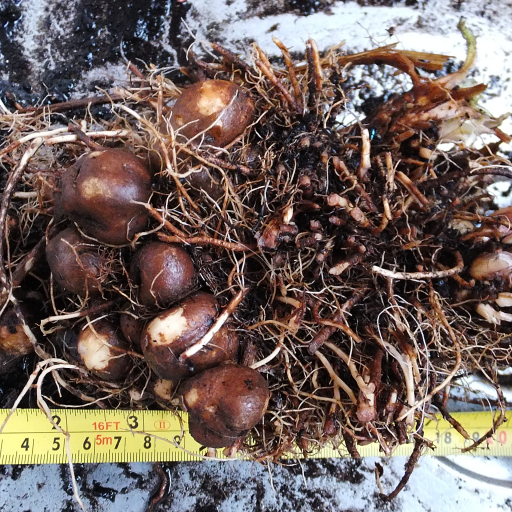
Plant Overview
Known as the Tuberous Jerusalem Sage, this plant is a striking architectural wonder native to the vast steppes of Central Europe and Asia. It is highly prized by landscape designers for its tall, rigid spires and "pompom" flower clusters that look like they were plucked from a fairytale. Unlike its more common yellow-flowered cousins, this species offers a sophisticated mauve palette that brings structure and elegance to wilder, meadow-style gardens.
🔍 How to Identify
- 🌿 The Foliage: Large, heart-shaped or arrow-headed leaves with a rough, wrinkled texture. They form a dense, lush green clump at the base of the plant.
- 🌸 The "Whorls": Small, hooded, lavender-pink flowers are arranged in distinct circular tiers (called verticillasters) stacked like beads up a dark, square-shaped stem.
- ☁️ Fuzzy Finish: The stems and flower bracts are often covered in fine, silvery hairs that give the plant a soft, frosted appearance in the sunlight.
🏡 In Your Garden
- 🏗️ Architectural Backbone: This plant is a "living sculpture." Because it maintains its rigid vertical structure even after the flowers fade, it is perfect for adding height and "bones" to a garden bed without needing stakes or supports.
- 🏜️ Drought Champion: Its name tuberosa refers to its thick, potato-like roots. These tubers store water and energy, allowing the plant to thrive in dry, poor soils and withstand long periods of summer heat with ease.
- 🐝 Pollinator Buffet: The hooded flowers are specifically shaped to accommodate bumblebees, who are the primary visitors. The dense flower whorls provide a reliable nectar source throughout the mid-summer months.
⚠️ Safety & Toxicity
- ✅ Safe Profile: Phlomoides tuberosa is generally considered non-toxic to humans, cats, and dogs. It is a "worry-free" addition to family-friendly landscapes.
- ✋ Tactile Texture: While not poisonous, the stiff, hairy texture of the leaves can be slightly abrasive. It isn't a "soft" plant to brush against, but it won't cause chemical irritation or rashes.
✨ Fun Fact
The dried seed heads are just as famous as the flowers! Gardeners often leave the brown, globe-like stalks standing all winter because they look stunning covered in hoarfrost and provide essential winter housing for tiny, beneficial garden insects.

Detailed Care Instructions
To grow Phlomoides Tuberosa (also known as Jerusalem Sage), follow these steps:
- Choose a suitable location: Jerusalem Sage prefers a sunny spot with well-draining soil.
- Prepare the soil: Amend the soil with organic matter like compost to improve its fertility and drainage. Ensure the pH is slightly acidic to neutral (around 6.0-7.0).
- Sow the seeds or plant divisions:
- If starting from seeds, sow them indoors 6-8 weeks before the last frost date in your area. Lightly cover the seeds with soil and keep the soil moist until germination occurs.
- If planting divisions, purchase young plants or divide mature ones in early spring or early fall. Dig a hole large enough to accommodate the root ball without overcrowding. Plant it at the same depth it was before.
- If starting from seeds, sow them indoors 6-8 weeks before the last frost date in your area. Lightly cover the seeds with soil and keep the soil moist until germination occurs.
- Watering: Water the plant deeply after planting to settle the soil around the roots. Once established, Jerusalem Sage is drought-tolerant and only requires occasional watering in prolonged dry periods.
- Mulch and weed control: Apply a layer of organic mulch around the plant to conserve moisture and suppress weed growth. Keep the area around the plant free of weeds to prevent competition for nutrients.
- Care and maintenance:
- Fertilization: Jerusalem Sage generally doesn't require much fertilization. However, you can apply a balanced organic fertilizer once in early spring if desired.
- Pruning: Prune the plant lightly after flowering to maintain its shape and remove any dead or damaged branches.
- Pests and diseases: Phlomoides Tuberosa is relatively resistant to pests and diseases. However, keep an eye out for common garden pests like aphids or spider mites and treat them accordingly if needed.
- Fertilization: Jerusalem Sage generally doesn't require much fertilization. However, you can apply a balanced organic fertilizer once in early spring if desired.
- Division: Every 3-4 years, consider dividing and replanting the clumps to ensure healthy growth and prevent overcrowding. This can be done in early spring or early fall.
By following these guidelines, you should be able to successfully grow Phlomoides Tuberosa in your garden.

Place in a bright room that is sun drenched almost all day. Or directly in a south-facing window.

To water this plant, you should first check the soil moisture level by inserting your finger into the soil. If the soil feels dry, it is time to water the plant. Use a watering can with a narrow spout to pour water onto the soil, being careful not to wet the leaves or stem of the plant. Give the plant enough water to saturate the soil, but avoid overwatering as this can lead to root rot. It is important to allow the soil to dry out somewhat between waterings, as this plant prefers well-draining soil. When watering, aim to moisten the soil to a depth of at least 6 inches below the surface. Water moderately in the summer growing season and reduce watering in the dormant winter season.
To fertilize this plant, it is recommended to use a balanced, all-purpose fertilizer once every two months during the growing season. Avoid using fertilizer during the winter months. Apply the fertilizer according to package instructions and water the plant well after fertilizing. Be sure not to over-fertilize as this can damage the plant.
Phlomoides Tuberosa prefers well-drained soil that is rich in organic matter. The soil should have a pH level between 6.5 to 7.5. It is important to avoid heavy, clayey soil as it can cause root rot. The plant prefers sandy loam or gravelly soil that allows for good drainage. It also grows well in rocky or stony soils with good drainage. Adding organic matter such as compost or leaf mold to the soil can improve its nutrient content and water retention. It is also important to avoid using fertilizers that are high in nitrogen, as this can cause the plant to grow too quickly and become weak.
Phlomoides Tuberosa is a perennial herbaceous plant that can be propagated by division or by seeds.
Propagation by Division:
- Choose a mature and healthy plant that has several stems and is at least three years old.
- Gently dig up the plant with a spade or garden fork, being careful not to damage the roots.
- Shake off excess soil and separate the plant into sections, making sure each section has a healthy section of roots.
- Plant each section in a well-draining soil mix and water thoroughly.
- Keep the newly planted divisions moist until they become established and begin to show new growth.
Propagation by Seeds: - Collect seeds from a mature and healthy plant after the blooming period has ended.
- Clean the seeds by removing any debris and gently rubbing off the fuzzy exterior.
- Plant the seeds in a well-draining soil mix, and cover with a light layer of soil.
- Water the seeds thoroughly and place them in a warm, bright location.
- Keep the soil moist but not overly wet.
- Seeds will germinate in two to three weeks, and once the seedlings have established roots, they can be transplanted into individual pots or directly into the ground.








