Plant Overview
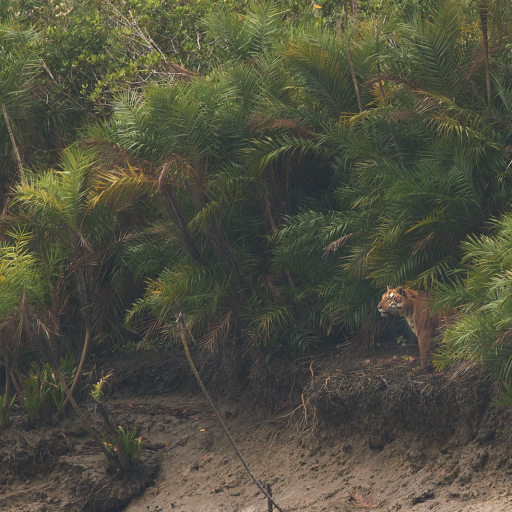
Known as the Mangrove Date Palm or the "Sea Date," Phoenix paludosa is a rugged coastal survivor that feels most at home where the land meets the sea. Unlike its desert-dwelling cousins, this palm thrives in the brackish, muddy waters of tropical swamps across Southeast Asia. In the wild, it forms dense, impenetrable thickets that provide vital protection for shoreline ecosystems and coastal wildlife.
🔍 How to Identify
- 🌿 The Fronds: It features elegant, feathery (pinnate) leaves that grow up to 10 feet long. The leaflets are soft and grayish-green on top, often revealing a subtle, silvery sheen on their undersides when caught in a breeze.
- 🪵 The Stems: This is a clumping palm, meaning it grows in a cluster of multiple slim, leaning trunks rather than a single straight one. The trunks are often covered in the fibrous remains of old leaf bases.
- ⚔️ The Spines: Near the base of each leaf stalk (petiole), the leaflets transform into sharp, formidable yellow spines. These act as a natural defense mechanism against herbivores.
🏡 In Your Garden
- 🌊 Thirst for Salt and Water: Because its natural habitat is the mangrove forest, this palm is exceptionally salt-tolerant. It is one of the few palms that can handle "wet feet," making it a perfect choice for swampy areas or coastal gardens where other plants might fail.
- 🌴 Space Enthusiast: While it grows slowly, it spreads horizontally as it produces new suckers from the base. Give it plenty of room to expand, as its clumping habit and sharp thorns make it difficult to prune or move once it has established its territory.
⚠️ Safety & Toxicity
- ⚔️ Physical Hazard: While the plant is not considered chemically toxic, the long spines at the base of the leaves are very sharp and can cause painful puncture wounds.
- 🐾 Pets and Children: It is generally safe in terms of ingestion, but the "invisible" danger lies in the thorns. Plant it away from walkways or play areas where curious pets or children might accidentally brush against the foliage.
✨ Fun Fact
In its native regions, the Mangrove Date Palm is often called the "Tiger Palm." This isn't just because of its wild appearance; its dense, thorny thickets provide the perfect hiding spots for the Royal Bengal Tigers in the Sundarbans of India and Bangladesh!

Detailed Care Instructions








