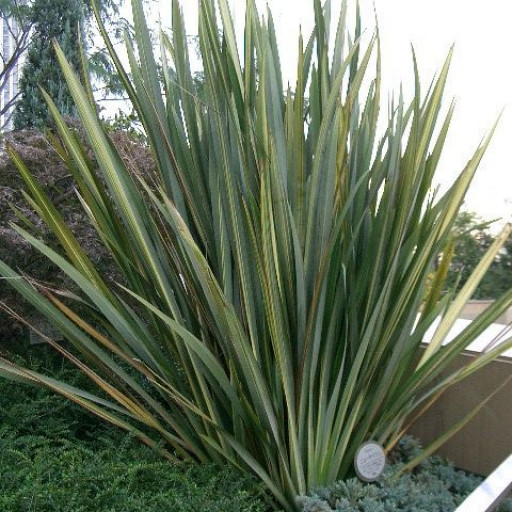
Plant Overview
Known as the "Harakeke" by the Māori people of New Zealand, Phormium tenax is much more than a simple ornamental grass. While it’s commonly called "New Zealand Flax," it isn't a true flax at all, but a member of the Daylily family. This architectural powerhouse has been a cornerstone of Pacific culture for centuries, used for everything from weaving intricate cloaks to building sturdy fishing nets.
🔍 How to Identify
- 🗡️ The Foliage: It features massive, stiff, sword-shaped leaves that grow in a distinct fan-like arrangement from the base. The leaves are typically a deep olive green but can vary in garden cultivars.
- 🔴 The Blooms: In summer, the plant sends up a towering, woody flower stalk that can reach heights of 4 meters (13 feet). These stalks are topped with curved, tubular flowers that are usually a dark, dusky red or dull orange.
- 📏 The Scale: Unlike smaller ornamental grasses, Phormium tenax is a giant. A single clump can easily reach 3 meters (10 feet) in both height and width, creating a dramatic focal point.
🏡 In Your Garden
- 🌊 Coastal Resilience: This plant is a "coastal warrior." It is highly resistant to salt spray and buffeting winds, making it the gold standard for seaside landscaping where other plants might wither.
- 🪴 Soil Flexibility: While it thrives in moist, rich soil (it is often found near swamps in the wild), it is surprisingly drought-tolerant once its deep root system is established. It rarely needs dividing, as it dislikes having its roots disturbed.
⚠️ Safety & Toxicity
- 🛡️ Non-Toxic: Phormium tenax is generally considered non-toxic to humans, cats, and dogs. It is a safe choice for family-friendly backyards.
- ✂️ Physical Hazards: The real danger lies in the leaves themselves. They are incredibly tough and fibrous with sharp edges; they can cause "paper cuts" on the skin, and the stringy fibers can cause digestive upset or choking if a curious pet tries to chew on them.
✨ Fun Fact
The fibers of this plant are so strong that they were once used by the British Royal Navy to make sailcloth and heavy-duty shipping ropes. In New Zealand, the nectar from the flowers was used as a natural sweetener long before sugar was introduced to the islands!

Detailed Care Instructions
| Color | Red |
| Soil Ph | 5.5 To 6.5 (Acidic) |
| Lighting | Full Sun |
| Soil Type | Average, Well-Drained Soil |
| Bloom Time | Rarely Flowers; Grown Mostly For Foliage |
| Plant Type | Herbaceous Perennial |
| Mature Size | 1 To 6 Feet Tall; 1- To 3-Foot Spread |
| Native Area | New Zealand, Norfolk Island |
| Sun Exposure | Full Sun To Part Shade |
| Hardiness Zones | 9 To 11; Often Grown As A Potted Plant |
To grow a Phormium tenax plant, also known as New Zealand flax or flax lily, follow these steps:
- Choose an appropriate location: Phormium tenax prefers full sun to partial shade. Select a location that receives at least six hours of direct sunlight per day.
- Prepare the soil: Ensure the soil is well-draining and fertile. Add organic matter such as compost to improve soil quality and drainage.
- Planting: Dig a hole that is slightly larger than the root ball of the plant. Place the plant in the hole, ensuring that it is at the same level as it was in the nursery pot. Backfill the hole with soil and gently firm it around the root ball.
- Watering: After planting, thoroughly water the plant to settle the soil and provide moisture to the roots. Usually, watering once or twice a week is sufficient, but adjust the frequency based on the weather conditions and rainfall.
- Mulching: Apply a layer of organic mulch around the base of the plant. This will help retain moisture, suppress weeds, and moderate soil temperature.
- Pruning: Remove any dead or damaged leaves periodically to maintain the plant's appearance and health. Trim off any dried flower stalks as well.
- Fertilizing: In the spring, apply a slow-release fertilizer specifically formulated for ornamental plants according to the package instructions. This will help promote healthy growth and vibrant foliage. Avoid over-fertilizing, as it may cause the plant to become leggy.
- Winter care: Phormium tenax is generally hardy and can tolerate mild winter temperatures. However, in colder regions, it may require protection from frost. Apply a layer of mulch around the base of the plant and cover it with burlap or a frost blanket during extreme cold periods.
- Division: Over time, the rhizomatous root system of Phormium tenax may become crowded. Every 3-5 years, consider dividing the plant to rejuvenate its growth. Carefully dig up the plant and separate the clumps of rhizomes, ensuring each division has healthy roots and foliage. Replant the divisions in prepared soil.
By following these steps, you can successfully grow a healthy and attractive Phormium tenax plant in your garden or landscape.

Place in a bright room that is sun drenched almost all day. Or directly in a south-facing window.

To water this plant, first ensure that the soil around it is fairly dry before watering. This will help prevent root rot. When watering, aim to water the soil directly around the base of the plant and avoid getting water on the leaves as this can cause leaf rot. Use a watering can or a gentle stream from a hose to water slowly and deeply, giving the soil time to absorb the moisture. Avoid overwatering and allow the soil to slightly dry out between watering sessions.
To fertilize Phormium Tenax:
- Choose a balanced, slow-release fertilizer with equal proportions of nitrogen, phosphorus, and potassium.
- Begin fertilizing in early spring, just as new growth emerges.
- Dilute the fertilizer according to the package instructions. Use a watering can or sprayer to apply the solution to the soil around the plant.
- Avoid applying fertilizer on the foliage or directly to the base of the plant as it may cause burns or damage.
- Water the plant thoroughly after fertilizing to ensure the nutrients reach the root zone.
- Repeat the fertilization process every four to six weeks during the growing season, typically from spring to fall.
- Adjust the fertilizer amount and frequency based on the specific instructions provided by the product and the plant's response to the feeding.
Remember to always read and follow the instructions on the fertilizer packaging for the best results.
Phormium Tenax plant prefers a well-draining soil that is rich in organic matter and slightly acidic in pH. The soil should also be able to retain moisture without becoming waterlogged or water-saturated. It is recommended to mix the soil with some sand and perlite to improve drainage and air circulation. The plant does well in a variety of soil types, including sandy loam, clay loam, and silt loam, but it is important to avoid using soils that are heavy in clay or compacted. A soil pH range of 6.0 to 7.0 is ideal. Fertilizing the soil with a balanced fertilizer once or twice a year can help promote healthy growth and vibrant foliage.
There are a few ways to propagate this plant. One method is by division. This involves carefully digging up the plant and separating the clumps into smaller sections. Each section should have its own roots and shoots. These smaller sections can then be replanted in new areas.
Another method is by stem cuttings. This involves taking a cutting from the stem of the plant and rooting it in water or soil. The cutting should be about 4-6 inches long and should be taken from a healthy stem. The end of the cutting should be dipped in rooting hormone before being planted in the soil or water.
Lastly, Phormium Tenax can also be propagated by seeds. The seeds should be collected from the plant when they are ripe and then planted in soil. It is important to keep the soil moist during germination. Once the seedlings have grown a few inches tall, they can be transplanted into larger pots or outside in the garden.
Common pests of the new zealand flax include Spider mites, aphids, thrips. Make a habit of checking your new zealand flax frequently for pests so that any infestations can be caught and managed early.








