Plant Overview
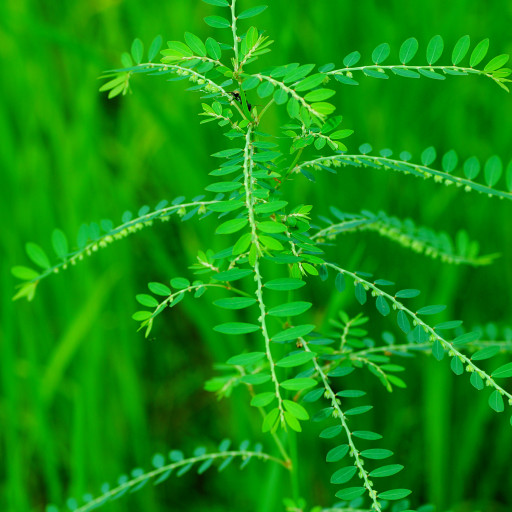
Often called the "Stonebreaker" or Chanca Piedra, this unassuming tropical herb carries a reputation far larger than its size. Native to the Amazon rainforest and coastal regions of India, it is a "giant-slayer" in the world of folk medicine, famous for its supposed ability to dissolve kidney stones. Its delicate, feathery appearance often leads people to mistake it for a tiny fern, but it is actually a hardy flowering perennial.
🔍 How to Identify
- 🌿 Leaf Symmetry: Features small, oblong leaves arranged in two neat rows along the branches, giving the plant a flat, feather-like appearance similar to a mimosa.
- 🌸 Hidden Blooms: The name Phyllanthus means "leaf-flower"—if you flip a branch over, you will see tiny, pale green flowers and round seed capsules hanging directly from the underside of the leaf stalks.
- 📏 Growth Habit: It typically grows upright, reaching about 12 to 24 inches in height, with a slender, smooth green or reddish stem.
🏡 In Your Garden
- 🌱 The "Resilient Weed": While valued as a medicinal herb, it is often viewed as a "companion weed" in tropical gardens. It loves disturbed soil and will happily pop up in the cracks of a patio or at the base of larger potted palms.
- 💧 Thirst for Humidity: It thrives in warm, moist environments. If you are growing it intentionally, ensure the soil stays consistently damp but not waterlogged, as its fine root system can be sensitive to total drying out.
⚠️ Safety & Toxicity
- 🟢 Status: Generally safe to touch, but should be treated with medicinal caution.
- 🐱 Pets & People: While not "poisonous" in the traditional sense, the plant is highly bioactive. Ingesting it can significantly lower blood sugar and blood pressure, or act as a powerful diuretic. It is best to keep it out of reach of curious pets and children to avoid digestive upset or unintended physiological effects.
✨ Fun Fact
The "Stonebreaker" name isn't just a nickname; it's a translation of its Spanish name, Chanca Piedra. In many cultures, the plant is believed to "shatter" kidney stones by relaxing the urinary tract, a claim that has led to several modern pharmacological studies!

Detailed Care Instructions
To grow Phyllanthus Niruri plant, also known as Chanca Piedra or Stonebreaker, follow these steps:
- Source a healthy plant: Purchase a Phyllanthus Niruri plant from a reputable nursery or online seller. Make sure the plant is healthy, with lush green leaves and no signs of disease or pests.
- Choose the right location: Phyllanthus Niruri prefers a warm and sunny location, so select a spot in your garden that receives several hours of direct sunlight every day. The plant can also tolerate partial shade.
- Prepare the soil: Phyllanthus Niruri thrives in well-draining soil. Prepare the planting area by removing any weeds or debris and loosening the soil. If the soil is heavy or clay-like, amend it with organic matter such as compost or peat moss to improve drainage.
- Plant the seedling: Dig a hole that is slightly larger than the root ball of the seedling. Place the plant in the hole, making sure that the top of the root ball is level with or slightly above the soil surface. Backfill the hole with soil and gently tamp it down to remove any air pockets.
- Water appropriately: Phyllanthus Niruri prefers regular watering but can tolerate some drought. Water the plant deeply, allowing the soil to become slightly dry between waterings. Avoid overwatering, as it can lead to root rot.
- Provide occasional fertilization: Phyllanthus Niruri does not require heavy fertilization but can benefit from occasional feeding. Use a balanced, organic fertilizer in early spring or late summer, following the package instructions for application rates.
- Prune if necessary: Phyllanthus Niruri is a low-maintenance plant that typically does not require pruning. However, if you notice any dead or diseased branches, you can prune them off to maintain the plant's health and appearance.
- Protect from extreme temperatures: Phyllanthus Niruri is sensitive to frost and cold temperatures. If you live in a region with cold winters, consider growing it in a container and bringing it indoors during the colder months or provide winter protection like covering the plant with a frost cloth.
Remember to regularly monitor the plant for any signs of pests or disease. With proper care and attention, your Phyllanthus Niruri plant should thrive and grow.

Place in a bright room that is sun drenched almost all day. Or directly in a south-facing window.

The watering requirements may vary depending on the climate and environmental conditions in which the plant is growing. However, in general, it is recommended to water the plant when the topsoil feels dry to the touch. Overwatering may lead to root rot and other fungal diseases. Therefore, it is advised to allow the soil to dry out between watering sessions. Additionally, it is essential to ensure that the pot has proper drainage holes to prevent waterlogging. In areas with high humidity, it is recommended to water the plant sparingly and allow the soil to dry out slightly before each watering to avoid water stagnation.
- Use a balanced fertilizer with equal amounts of nitrogen, phosphorus, and potassium.
- Apply the fertilizer during the growing season (spring and summer).
- Dilute the fertilizer according to the manufacturer's instructions and apply it to the soil around the roots.
- Avoid over-fertilization, as this can lead to nutrient burn and other problems.
- Water the plant thoroughly after fertilizing to help the nutrients reach the roots.
- Consider using organic fertilizers or compost to nourish the plant naturally.
The ideal soil for the plant requires a pH level between 6.0 to 7.0, which is slightly acidic to neutral. The soil texture should be well-draining and loamy, with a good amount of organic matter to support the growth of the plant. The plant prefers a soil that is moist but not waterlogged, as too much moisture can lead to root rot and other fungal diseases. A mix of soil, sand, and perlite or vermiculite is often recommended to ensure adequate drainage and aeration. Additionally, it is important to provide some shade to the plant during the hottest hours of the day, as excessive heat and sunlight can cause stress to the plant.
Phyllanthus Niruri can be propagated through stem cuttings in water or soil. Select a healthy stem with several leaves and cut it just below a node or leaf joint. Remove the leaves from the bottom 1-2 inches of the stem and dip the cut end in rooting hormone (optional).
For water propagation, place the stem cutting in a jar or vase filled with water and put it in a bright spot out of direct sunlight. Change the water every 2-3 days to prevent the growth of bacteria. After 2-3 weeks, roots should begin to form. Once the roots are at least 1 inch long, the cutting can be planted in soil.
For soil propagation, fill a small pot with moist soil and make a hole in the center. Dip the cut end of the stem in rooting hormone (optional) and place it in the hole. Gently press the soil around the stem to secure it. Keep the soil moist and place the pot in a bright spot out of direct sunlight. In 2-3 weeks, roots should begin to form.
Phyllanthus Niruri can also be propagated through seed, which should be sown in moist soil and kept in a warm, bright location. However, stem cuttings tend to be more reliable and quicker to root.








