Plant Overview
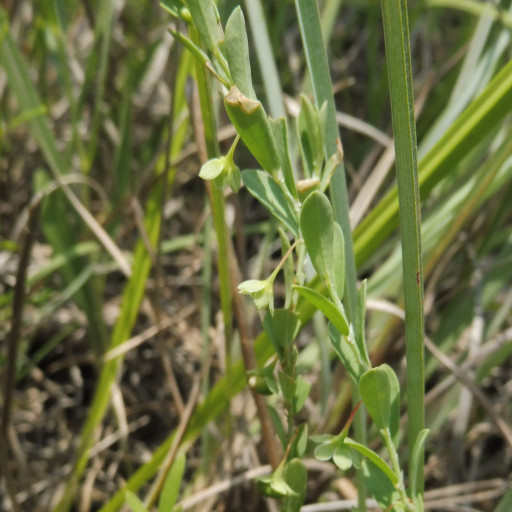
Often called the Knotweed Leaf-flower or Smartweed Leaf-flower, this delicate-looking native of the American Southwest and Mexico is a master of camouflage. Despite its fragile, airy appearance, it is a tough-as-nails perennial that thrives where other plants wither. It gets its name from its uncanny resemblance to Polygonum (Knotweed), though it belongs to a completely different family of resilient scrubland survivors.
🔍 How to Identify
- 🌿 The Foliage: Small, smooth, elliptical leaves are arranged alternately along thin, wiry stems. They have a soft, bluish-green hue that can turn slightly reddish in intense sun.
- 🌸 Hidden Blooms: The flowers are tiny and yellowish-green. You have to look closely—they hang like miniature bells from the undersides of the leaf axils, shielding themselves from the overhead sun.
- Form The Growth Habit: It typically grows as a low, multi-branched mound, reaching about 10 to 20 inches in height. Over time, the base becomes slightly woody, helping it anchor into rocky soil.
🏡 In Your Garden
- 🪨 The Limestone Lover: This plant is a specialist for "difficult" spots. It naturally thrives in calcareous or limestone-rich soils, making it an excellent choice for rock gardens or xeric landscapes where drainage is the priority.
- ☀️ Sun & Resilience: While it appreciates a little afternoon shade in scorching climates, it is incredibly drought-tolerant once established. It uses a deep taproot to find moisture, which means it hates being moved—pick its "forever home" carefully!
- 🦋 A Quiet Host: While not as showy as a rose, it provides essential structure and micro-habitats for small beneficial insects and native pollinators who seek out its inconspicuous nectar.
⚠️ Safety & Toxicity
- 🟢 General Safety: Phyllanthus polygonoides is not considered a high-risk toxic plant. It does not possess the stinging hairs or caustic saps found in some of its distant relatives.
- 🐾 Pets & Kids: While there are no specific reports of severe toxicity, it is always best to discourage pets from grazing on it. Some species in the Phyllanthus genus contain tannins or phytochemicals that can cause mild stomach upset if ingested in large quantities.
✨ Fun Fact
The name Phyllanthus literally translates to "Leaf-flower." This refers to a unique botanical quirk: many species in this genus have flowers that appear to grow directly out of the edges or undersides of the leaves, a phenomenon that has fascinated botanists for centuries!

Detailed Care Instructions
To grow Phyllanthus polygonoides, also known as creeping spurge, you can follow these steps:
- Choose a suitable location: Phyllanthus polygonoides prefers full sun but can tolerate partial shade. Make sure the location has well-draining soil.
- Prepare the soil: Loosen the soil and remove any weeds or debris. You can add organic matter, such as compost, to improve the soil's fertility.
- Planting: Dig a small hole in the soil, slightly larger than the root ball of the plant. Place the plant in the hole, ensuring the soil level matches the level of the plant's stem. Gently backfill the hole and lightly firm the soil around the base of the plant.
- Watering: After planting, water the plant thoroughly to settle the soil and ensure good root contact. Afterward, keep the soil evenly moist, but not waterlogged.
- Mulching: Apply a layer of organic mulch, such as wood chips or straw, around the base of the plant. This will help retain moisture, suppress weed growth, and regulate soil temperature.
- Pruning: Phyllanthus polygonoides is a low-growing plant that can spread rapidly. You may need to prune it occasionally to control its growth and shape. Trim back any excessive growth or leggy stems to maintain a compact appearance.
- Fertilizing: Phyllanthus polygonoides generally does not require heavy fertilization. However, you can apply a balanced, slow-release fertilizer in early spring to promote healthy growth.
- Maintenance: Regularly inspect the plant for pests or diseases. If any issues arise, take appropriate action, using organic or chemical controls as necessary.
- Propagation: You can propagate Phyllanthus polygonoides through stem cuttings. Take a 4-6 inch cutting from a healthy plant, remove the lower leaves, and place the cutting in a pot with well-draining soil. Keep the soil moist and provide bright, indirect light until new roots develop.
By following these steps, you should be able to grow Phyllanthus polygonoides successfully. Remember to provide it with adequate care and monitor its growth regularly.

Place in a bright room that is sun drenched almost all day. Or directly in a south-facing window.

Phyllanthus polygonoides plant requires a sufficient amount of water to maintain its growth and look healthy. To water this plant, you can follow these steps:
1. Find a suitable watering container or use a watering can with a fine rose or mist nozzle that can distribute water evenly.
2. Check the soil moisture level by inserting your finger 1-2 inches into the soil. If it feels dry, it’s time to water.
3. Pour the water slowly at the base of the plant until the soil is evenly moist. Be careful not to overwater as this can lead to root rot.
4. Allow the soil to dry out partially before watering again as this plant prefers a well-draining soil.
5. Water the plant in the morning or evening when the sun is not too hot to avoid evaporating the water too quickly.
6. If possible, use room temperature water, rather than cold or hot water, as extreme temperatures can shock the plant and affect its growth.
7. Keep an eye on the plant and adjust watering frequency according to the weather conditions, plant size, and soil type.
To fertilize this plant, it is important to use a balanced fertilizer that contains equal amounts of nitrogen, phosphorus, and potassium. The ideal time to fertilize is during the plant's active growing season, which is typically in the spring and summer months. Be sure to follow the instructions on the fertilizer package and apply it at the recommended rate. Avoid fertilizing during the plant's dormant season in the fall and winter. Over-fertilizing can cause damage to the plant, so it is important to not exceed the recommended amount.
To grow this particular plant, it is recommended to use well-draining soil with a slightly acidic pH level. The ideal pH range for the soil is between 5.5 to 6.5. It is best to use soil that is slightly sandy and rich in organic matter. This can be achieved by adding compost or other organic materials to the soil before planting. It is important to provide good drainage as this plant does not like to sit in overly moist soil. Additionally, the plant prefers full sun to partial shade, so it is important to plant it in an area that receives adequate sunlight. Regular watering is necessary to keep the soil moist but not overly saturated. Fertilizing the plant with a balanced fertilizer in the spring and summer can also be helpful for optimal growth.
Phyllanthus Polygonoides plant can be propagated through stem cuttings. First, choose a healthy stem with several leaves and no signs of disease or damage.
Using clean pruning shears, cut a section of the stem approximately 6-8 inches long. Remove the bottom leaves and any flowers or buds that may be present.
Dip the cut end of the stem in rooting hormone powder and plant it in a well-drained soil mixture.
Water the cutting and keep it in a warm, humid location with indirect sunlight.
Ensure the soil remains moist but not saturated and mist the leaves with water regularly.
After a few weeks, new growth should appear, indicating successful propagation.
Once the cutting has established roots and new leaves, it can be transplanted into a larger pot or directly into the ground.








