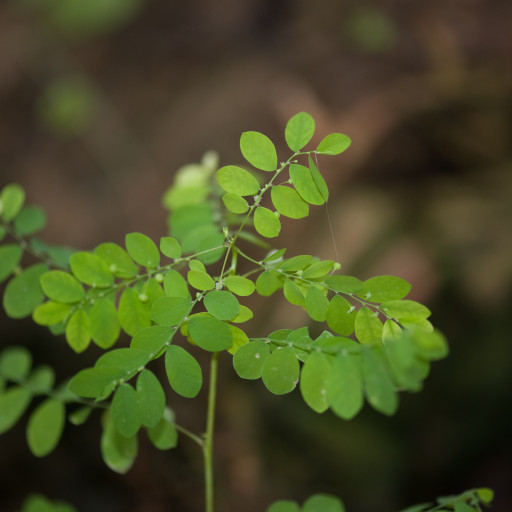
Plant Overview
Often called the Mascarene Island Leaf-flower or the Long-stalked Phyllanthus, this delicate-looking plant is a globetrotting hitchhiker. Originally from the islands of the Indian Ocean, it has traveled the world by hiding its tiny seeds in the soil of nursery pots. While it looks like a fragile fern or a "Sensitive Plant," it is actually a resilient tropical survivor that many gardeners first encounter as a mysterious guest in their indoor plant collections.
🔍 How to Identify
- 🌿 The "Fake" Compound Leaves: What look like individual leaflets on a long branch are actually small, oval, alternate leaves. They give the plant a feathery, fern-like appearance.
- 🌸 Hidden Blooms: Look closely underneath the leaves; you will find tiny, greenish-white flowers dangling from surprisingly long, hair-thin stalks (pedicels).
- 🎈 Seed Capsules: Once the flowers fade, they are replaced by tiny, rounded green fruits that eventually "pop" to disperse seeds several feet away.
🏡 In Your Garden
- 🌱 The Accidental Guest: This plant is famous for being a "nursery weed." If you’ve recently bought a new tropical plant, the Phyllanthus tenellus likely tagged along in the soil.
- 💧 Thirst for Moisture: It thrives in damp, shaded corners and rich potting soil. While it’s not aggressive enough to choke out your prize lilies, its fast growth means it can quickly take over a small pot if left unchecked.
- ☀️ Light Sensitivity: Despite its tropical roots, it prefers filtered light or partial shade. In direct, scorching sun, its delicate leaves may turn a reddish-bronze or curl up to protect themselves.
⚠️ Safety & Toxicity
- 🟢 Low Risk: This plant is generally considered non-toxic and is not known to be a major threat to humans or curious pets.
- 🐾 Pet Watch: While not poisonous, it is always best to discourage cats or dogs from munching on garden weeds, as any plant material can cause mild stomach upset if ingested in large quantities.
✨ Fun Fact
The genus name Phyllanthus literally translates to "Leaf-flower." This is because the flowers are positioned so perfectly along the leaf stalks that they appear to be blooming directly out of the foliage itself!

Detailed Care Instructions
| Humidity | Normal |
| Lighting | Part Sun |
| Difficulty | Easy |
| Hardiness Zones | Min 9 |
To grow Phyllanthus tenellus, also known as the moss phyllanthus or baby tears, follow these steps:
- Obtain plant: Purchase Phyllanthus tenellus from a local nursery or online plant store. You can also try propagating it from a healthy existing plant.
- Choose a container: Select a small container with drainage holes and fill it with well-draining potting soil. Make sure the soil is airy and not too heavy.
- Planting: Gently plant the Phyllanthus tenellus into the soil, pressing it down lightly. Ensure that the roots are covered with soil but not buried too deeply.
- Lighting: Place the plant in an area where it can receive bright, indirect sunlight. Phyllanthus tenellus enjoys bright light but can also thrive in partial shade.
- Watering: Keep the soil slightly moist but not waterlogged. Allow the top layer of soil to dry out between each watering. Avoid overwatering as this can cause root rot.
- Humidity: Phyllanthus tenellus thrives in high humidity. To increase humidity, you can mist the plant regularly or place a tray of water near the plant to allow for evaporation.
- Temperature: This plant prefers warm temperatures between 70-80°F (21-27°C). Avoid exposing it to cold drafts or excessively low temperatures.
- Fertilization: Phyllanthus tenellus benefits from regular, diluted liquid fertilizer applications during the growing season. Follow the instructions on the fertilizer package for the recommended dosage.
- Pruning: Prune the plant regularly to maintain its shape and prevent it from becoming leggy. Trim any dead or yellowing leaves and stems to encourage healthier growth.
- Propagation: Phyllanthus tenellus can be propagated by taking stem cuttings and rooting them in water or moist soil. Once the roots have developed, you can transplant them into separate containers.
With proper care and maintenance, Phyllanthus tenellus should grow well and provide you with beautiful foliage.

Place in a window with dappled sun or a spot in the middle of a room. Or directly in a window facing west or east.

To water this particular plant, it is important to ensure that the soil remains moist, but not overly wet. Overwatering can lead to root rot and ultimately the death of the plant. It is recommended to check the moisture level of the soil regularly, and only water when the top layer of soil is dry to the touch. When watering, it's important to avoid getting water on the foliage or the stems, as this could increase the likelihood of fungal diseases. Instead, water at the base of the plant and allow the water to soak in slowly. This plant thrives in well-drained soil, so it's important to avoid letting it sit in standing water. Overall, a consistent watering schedule will help ensure that this plant grows well and remains healthy.
To fertilize this plant, use a balanced slow-release fertilizer with an NPK ratio of 10-10-10. Apply the fertilizer around the base of the plant, taking care not to get it on the leaves. Water the plant after fertilizing to prevent burning. Repeat this process every 6-8 weeks during the growing season. If the plant shows signs of nutrient deficiency, such as yellowing leaves, increase the frequency of fertilization.
Phyllanthus tenellus requires a well-draining soil with a slightly acidic to neutral pH level. The soil should be porous and loose, allowing for good aeration and water drainage. It is recommended to mix organic matter such as compost or peat moss into the soil to improve its texture and moisture retention. The plant also prefers soil that is rich in nutrients, so the addition of a slow-release fertilizer is beneficial. It is important to regularly check the soil moisture and avoid overwatering, as Phyllanthus tenellus is susceptible to root rot.
To propagate this plant, take stem cuttings with sharp and sterile scissors from a mature and healthy parent plant. The cutting should be at least 4-5 inches long with a few leaves at the top. Remove the lower leaves, and dip the cut end in rooting hormone powder. Then, plant the cutting in a pot filled with a moist mixture of peat and perlite or sand. Keep the pot in a warm and bright place, away from direct sunlight, and mist the cutting regularly to maintain high humidity. Within a few weeks, new roots and leaves should emerge. Once the plant is established, it can be transplanted into a larger pot or directly into the ground.








