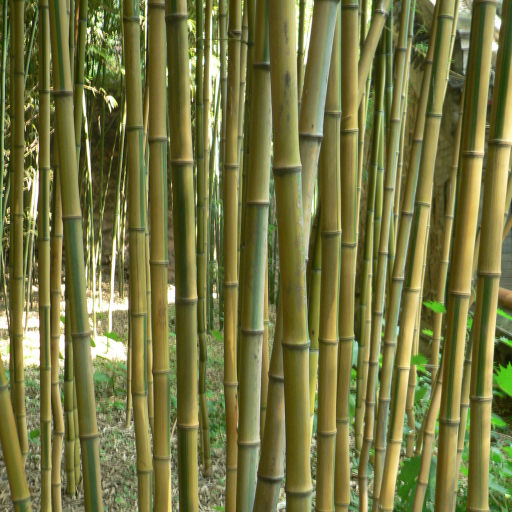
Plant Overview
Often called the Yellow Groove Bamboo, this plant is the ultimate "architectural survivor" of the bamboo world. Originating from China, it is famous for its striking yellow stripes and its legendary ability to withstand freezing temperatures that would turn other tropical plants to mush. If you have ever seen a bamboo forest that looks like it is doing a "zig-zag" dance, you have likely met this resilient species.
🔍 How to Identify
- 🎋 The Sulcus (Groove): Look for a distinct flat channel or "groove" running down the stem (culm). In this species, the groove is often a bright, creamy yellow that contrasts beautifully against the dark green skin.
- ⚡ The "Crook" Habit: One of its most iconic traits is the occasional "zig-zag" bend at the base of the stems. Not every culm does it, but the zig-zagging stalks are a dead giveaway for aureosulcata.
- 🍃 Dense Canopy: The leaves are long, lance-shaped, and a vibrant, deep green. They grow densely, creating a thick, rustling wall of foliage that provides excellent privacy.
🏡 In Your Garden
- 🏃 The "Running" Nature: This is a running bamboo, meaning it spreads via underground rhizomes. It is incredibly vigorous; without a heavy-duty root barrier or a sturdy container, it can quickly "run" across your yard and into your neighbor's garden.
- ❄️ Winter Warrior: Unlike many of its cousins, the Yellow Groove is a temperate bamboo. It is one of the hardiest species in existence, capable of surviving temperatures as low as -10°F (-23°C), making it the go-to choice for gardeners in colder climates.
- ✂️ Maintenance Needs: To keep it looking its best, "limb up" the bottom few feet of the stems by snapping off the small side branches. This highlights the beautiful yellow grooves and the unique zig-zag patterns.
⚠️ Safety & Toxicity
- ✅ Safe for Pets: This bamboo is generally considered non-toxic to cats, dogs, and horses. It is a much safer alternative for a backyard than many common ornamental shrubs.
- 🧤 Physical Hazards: The young "shoots" that pop up in spring are extremely hard and sharp—walking barefoot near a bamboo grove in spring is a recipe for a foot injury. Additionally, dried, cut canes can be as sharp as a knife, so always wear gloves when pruning.
✨ Fun Fact
The "zig-zag" at the bottom of the stalks isn't caused by wind or damage; it is a genetic trait! Botanists believe this unique growth pattern helps the plant gain extra stability and "grip" in the loose, sloping soils of its native mountain habitats in China.

Detailed Care Instructions
To grow Phyllostachys aureosulcata, also known as golden groove bamboo, follow these steps:
- Select a suitable location: Choose a spot in your garden that receives full to partial sunlight. Ensure the area has well-draining soil.
- Prepare the soil: Bamboo prefers slightly acidic to neutral soil. Amend the soil with organic matter like compost or well-rotted manure to improve drainage and fertility.
- Planting: Dig a hole that is slightly wider and deeper than the bamboo's root ball. Carefully place the plant in the hole, ensuring that the top of the root ball is level with the surrounding soil. Backfill the hole with soil, gently firming it around the plant.
- Watering: Water the newly planted bamboo thoroughly and keep the soil consistently moist during the establishment period. Afterward, reduce watering to once or twice a week.
- Mulching: Apply a layer of organic mulch around the base of the plant. This will help retain moisture, suppress weed growth, and protect the roots from extreme temperatures.
- Fertilizing: Bamboo is a fast grower and benefits from regular fertilization. Apply a balanced slow-release fertilizer in spring and early summer, following the manufacturer's instructions.
- Pruning and thinning: As the bamboo grows, it may require occasional pruning and thinning to maintain desired shape and density. Cut back unwanted shoots or canes at the base using pruning shears.
- Maintenance: Regularly check for signs of pests or diseases, such as aphids or fungal infections. Treat any issues promptly to prevent further damage.
- Controlling spread: Phyllostachys aureosulcata has a vigorous spreading habit, so consider installing a rhizome barrier if you don't want it to spread beyond a certain area. Alternatively, you can regularly remove new shoots that emerge outside the desired boundary.
- Winter care: Provide protection for the plant during harsh winters or in regions prone to freezing temperatures. Mulch around the base of the bamboo and apply a protective covering, such as burlap.
By following these guidelines, you can successfully grow Phyllostachys aureosulcata in your garden. Remember to check if bamboo is allowed in your area, as it can be invasive in some regions.

Place in a bright room that is sun drenched almost all day. Or directly in a south-facing window.

To properly water this plant, it is best to use a watering can or hose and completely saturate the soil around the base of the plant. Make sure to water deeply, allowing the water to penetrate the soil and reach the roots. It is important to avoid getting water on the leaves or stem of the plant as this can promote fungal growth. Watering should be done once a week during the growing season, and less frequently during the dormant season. Additionally, monitoring the moisture level of the soil with a touch test or soil moisture meter can help determine when watering is needed.
To fertilize this plant, use a balanced fertilizer with equal parts nitrogen, phosphorus, and potassium. Apply the fertilizer in the early spring as growth begins and again in mid-summer to encourage strong growth. Follow the fertilizer label instructions for application rates and timing. Water the plant well after fertilizing to help the nutrients absorb into the soil. Avoid fertilizing in late fall or winter as this can cause new growth that is more susceptible to winter damage.
For Phyllostachys Aureosulcata plant, it is recommended to use a well-draining soil mix that is rich in nutrients and organic matter. The soil should have a pH level that is slightly acidic to neutral, between 5.5 to 7.0. A combination of loam, sand, and compost or peat moss can be used to create the ideal soil mix. It is important to ensure that the soil does not become waterlogged or dry out too quickly as this can affect the growth and health of the plant. Regular fertilization and watering should be provided to ensure optimal growth and development.
To propagate this plant, you will need to locate healthy mature culms (bamboo stems) that are at least 2-3 years old. Cut these culms with a sharp knife or pruning shears, making sure to leave a clean cut without any torn or jagged edges.
Next, you will need to divide the culm into sections, each with at least one node (a raised bump on the stem where leaves or branches attach). These can be divided by cutting the culm in half or into smaller sections depending on the size of the culm.
Once you have your culm sections with nodes, you can plant them directly into soil or into a container with water. If planting in soil, dig a hole deep enough to accommodate the entire section of the culm, making sure the node is at or slightly below soil level. Water thoroughly and keep the soil moist but not waterlogged.
If propagating in water, place the culm section with the node in a container of clean water, making sure that the node is submerged. Change the water every few days to prevent the growth of bacteria.
Place your propagated bamboo in an area with partial to full sun and keep it well-watered until it becomes established. The new bamboo plant should begin to grow within a few weeks to a few months, depending on the conditions.








