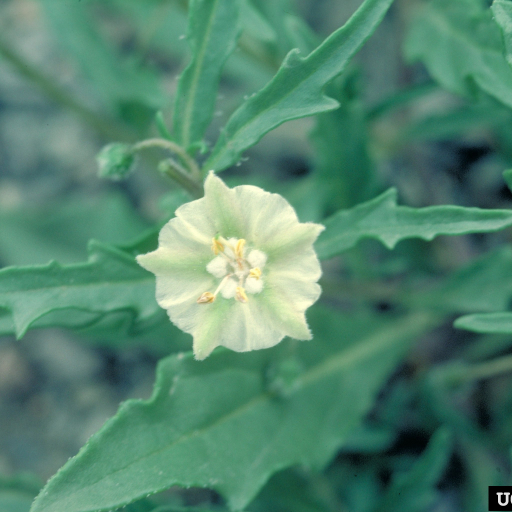
Plant Overview
Often called the Virginia Groundcherry, this resilient North American native is a master of disguise and a relative of the common tomato. It is most famous for its "paper lanterns"—delicate, inflated husks that hide a small, berry-like fruit within. While it may look like a garden ornamental, it is a wild spirit that thrives in prairies, fields, and sunny forest edges.
🔍 How to Identify
- 🏮 The Lanterns: The most iconic feature is the inflated, heart-shaped green calyx that matures into a papery, tan husk, completely enclosing the fruit like a tiny organic gift box.
- 🔔 Golden Blooms: Before the lanterns appear, the plant produces nodding, bell-shaped yellow flowers, often marked with five distinct dark-purple or brown smudges at the throat.
- 🍃 Hairy Foliage: The leaves are generally ovate and wavy-edged, but look closely—the stems and leaves are usually covered in fine, soft hairs that give the plant a slightly fuzzy or velvety texture.
🏡 In Your Garden
- 🌱 Spreading Roots: Be mindful of where you plant it! The Virginia Groundcherry grows from deep, persistent rhizomes. Because of this "creeping" root system, it can be difficult to remove once established, making it better for wilder meadow areas than formal flower beds.
- 🐝 Pollinator Sanctuary: This plant is a favorite for native bees and specialist moths. It plays a vital role in local ecosystems by providing nectar during the mid-to-late summer when other flowers might be fading.
⚠️ Safety & Toxicity
- 🚫 Nightshade Warning: As a member of the Solanaceae (Nightshade) family, all green parts of the plant and the unripe (green) berries are toxic and contain solanine.
- 🐾 Pets & Children: Keep curious pets and kids away. Ingesting the leaves or unripe fruit can cause stomach upset, vomiting, or more serious symptoms if consumed in large quantities. Only fully ripe berries are generally considered safe in some contexts, but identification must be 100% certain.
✨ Fun Fact
The "lantern" isn't just for decoration; it’s an evolutionary survival tool! When the husk dries out, it becomes lightweight and buoyant, allowing the fruit to be carried away by heavy winds or even float on water to distribute its seeds far from the mother plant.

Detailed Care Instructions
Growing Physalis virginiana, commonly known as Virginia groundcherry or wild tomatillo, can be a rewarding endeavor. This native North American species produces small, edible fruits encased in papery husks. Here’s a step-by-step guide to help you cultivate this plant successfully:
Materials Needed:
- Physalis virginiana seeds or seedlings
- Well-draining soil
- Compost or organic matter
- Watering can or hose
- Mulch (optional)
- Gardening tools (shovel, trowel)
- Fertilizer (optional)
Steps to Grow Physalis Virginiana:
- Choose the Right Location:
- Sunlight: Select a site that receives full sun (at least 6-8 hours of direct sunlight daily).
- Soil: This plant tolerates a variety of soils but prefers well-draining soil. Sandy or loamy soil with good organic content works well.
- Sunlight: Select a site that receives full sun (at least 6-8 hours of direct sunlight daily).
- Prepare the Soil:
- Loosen the soil to a depth of about 12 inches using a shovel or garden fork.
- Incorporate compost or well-rotted manure to enrich the soil.
- Loosen the soil to a depth of about 12 inches using a shovel or garden fork.
- Planting Seeds or Seedlings:
- Seeds: Start seeds indoors about 6-8 weeks before the last frost date. Sow seeds 1/4 inch deep in moistened seed-starting mix, and cover lightly. Keep the soil moist and provide warmth (70-75°F) until germination (10-14 days). Transplant seedlings after the danger of frost has passed.
- Seedlings: If planting directly outdoors, wait until all danger of frost is past. Space seeds or seedlings 18-24 inches apart in rows that are 3 feet apart.
- Seeds: Start seeds indoors about 6-8 weeks before the last frost date. Sow seeds 1/4 inch deep in moistened seed-starting mix, and cover lightly. Keep the soil moist and provide warmth (70-75°F) until germination (10-14 days). Transplant seedlings after the danger of frost has passed.
- Planting the Seedlings Outdoors:
- Dig holes that are slightly larger than the root ball of each seedling.
- Place each seedling into its hole and cover with soil. Press down gently to remove air pockets.
- Water thoroughly after planting.
- Dig holes that are slightly larger than the root ball of each seedling.
- Watering:
- Keep the soil consistently moist but not waterlogged. Once established, Physalis virginiana is somewhat drought-tolerant, but regular watering will help produce better fruit yields.
- Keep the soil consistently moist but not waterlogged. Once established, Physalis virginiana is somewhat drought-tolerant, but regular watering will help produce better fruit yields.
- Mulching (Optional):
- Apply a layer of mulch around the plants to help retain soil moisture, suppress weeds, and regulate soil temperature.
- Apply a layer of mulch around the plants to help retain soil moisture, suppress weeds, and regulate soil temperature.
- Fertilizing (Optional):
- Physalis virginiana does not require heavy feeding. However, an occasional side dressing of compost or a balanced, slow-release fertilizer can encourage vigorous growth.
- Physalis virginiana does not require heavy feeding. However, an occasional side dressing of compost or a balanced, slow-release fertilizer can encourage vigorous growth.
- Maintenance:
- Weeding: Keep the area around the plants weed-free to reduce competition for nutrients and moisture.
- Pruning: Minimal pruning is needed. Remove dead or diseased foliage to maintain plant health.
- Pests/Diseases: Physalis is relatively pest and disease resistant. However, watch out for aphids, flea beetles, and powdery mildew. Use organic pest control methods if necessary.
- Weeding: Keep the area around the plants weed-free to reduce competition for nutrients and moisture.
- Harvesting:
- Fruits are typically ready for harvest 70-80 days after planting. The papery husks will turn from green to a tannish color and begin to split when the fruits are ripe.
- Gently lift the plants to check for mature fruits that fall off easily. Avoid pulling the fruits off the plant forcefully.
Tips:
- Fruits are typically ready for harvest 70-80 days after planting. The papery husks will turn from green to a tannish color and begin to split when the fruits are ripe.
- Rotation: Avoid planting Physalis in the same spot where other nightshades (like tomatoes, potatoes, or eggplants) have been grown recently to reduce disease risk.
- Companion Planting: Consider planting with companions like marigolds or basil to deter pests.
- Propagation: Physalis can also be propagated by division or stem cuttings.
By following these steps, you can enjoy growing Physalis virginiana and reap the benefits of its unique, delicious fruits. Happy gardening!

Place in a bright room that is sun drenched almost all day. Or directly in a south-facing window.

Physalis virginiana, known for its characteristic lantern-like husk surrounding the fruit, requires careful watering to thrive properly. Here’s a detailed guide on how to water this plant:
### Soil Moisture and Drainage
- **Soil Type**: Aim for well-draining soil. Loamy or sandy soils are ideal as they prevent water logging which can harm the roots.
- **Moisture Level**: Maintain moderate moisture levels in the soil. It should be neither too dry nor too soggy.
### Watering Frequency
- **Early Growth Stage**: When the plant is young or recently transplanted, keep the soil consistently moist. Check the soil regularly and water when the top inch feels dry.
- **Established Plants**: Once the plant is established, reduce watering frequency. Usually, watering once a week is sufficient, but this can vary based on climate, pot size, and other factors.
### Method
- **Watering at the Base**: Aim to water at the base of the plant. Avoid overhead watering to reduce the risk of fungal diseases and ensure that the water reaches the root zone efficiently.
- **Deep Watering**: It’s better to water deeply and less frequently rather than shallow and often. This encourages the roots to grow deeper into the soil, making the plant more resilient to drought conditions.
### Environmental Considerations
- **Climate Variations**: In hotter climates, you may need to increase the watering frequency. During cooler or rainy periods, reduce watering to avoid waterlogged soil.
- **Mulching**: Applying a layer of mulch around the base can help retain soil moisture, reduce evaporation, and keep the roots cool.
### Signs of Overwatering and Underwatering
- **Overwatering**: Yellowing leaves, wilting despite moist soil, and root rot are signs. Ensure adequate drainage and reduce watering frequency.
- **Underwatering**: Wilting with dry soil, slow growth, and leaf drop. Increase watering frequency and ensure deep watering.
By following these guidelines, you can effectively manage the watering needs of Physalis virginiana, ensuring it remains healthy and productive.
Absolutely! To fertilize Physalis virginiana, follow these steps:
- Soil Preparation: Before planting, consider incorporating organic matter like compost or well-rotted manure into the soil to improve nutrient content and drainage.
- Initial Fertilization: At planting time, you can apply a balanced slow-release fertilizer (e.g., 10-10-10) to the soil according to the package instructions. This provides a good base for the plant's growth.
- Growing Season: During the growing season, you can feed the plant with a water-soluble balanced fertilizer every 4-6 weeks. If using a granular option, follow the manufacturer's recommendation for frequency and dosage.
- Application Method: When applying granular fertilizers, sprinkle it around the base of the plant, avoiding direct contact with the stems or leaves to prevent burning. Water thoroughly after application to help the nutrients absorb into the soil.
- Organic Alternatives: If you prefer organic options, consider using compost tea or fish emulsion every 2-4 weeks during the growing season. These not only provide essential nutrients but also improve soil health over time.
- Observation: Regularly observe the plant for signs of nutrient deficiency, such as yellowing leaves or stunted growth, and adjust fertilization accordingly. Over-fertilization can harm the plant, so it's crucial to follow the recommended guidelines and not overfeed.
By following these steps, you can help ensure that your Physalis virginiana plant thrives with the appropriate nutrients throughout the growing season.
Physalis virginiana is a plant that thrives in well-drained soils. To optimize growth, consider the following soil characteristics:
- Texture: This plant prefers loamy or sandy soils because they provide good drainage and aeration, which help prevent root rot and other moisture-related issues.
- pH Level: Aim for a soil pH that is slightly acidic to neutral, ideally in the range of 6.0 to 7.5. This pH range allows optimal nutrient uptake.
- Nutrient Content: Ensure the soil is moderately fertile. Incorporate organic matter, such as compost or well-rotted manure, to enhance soil fertility and provide essential nutrients.
- Moisture: While the soil should be well-drained, it is important to maintain consistent moisture, especially during the plant's growing season. Mulching can help retain soil moisture and regulate temperature.
- Organic Matter: High organic content in the soil can improve its structure, nutrient-holding capacity, and microbial activity, benefiting overall plant health.
By taking these factors into account, you can create an optimal soil environment for Physalis virginiana, promoting healthy growth and productivity.
Physalis virginiana is a perennial plant that can be propagated through various methods, including seeds, division, and cuttings. Here’s a detailed guide for each method:
Propagation by Seeds
- Seed Collection: Harvest the ripe fruits, which contain seeds. Allow the fruit to dry and then extract the seeds.
- Seed Preparation: Clean the seeds thoroughly to remove any pulp and dry them for a few days.
- Stratification: Some sources suggest that cold stratification can improve germination rates. Place the seeds in a moist substrate (like sand or peat moss) in a plastic bag and refrigerate for about 4-6 weeks.
- Sowing:
- Fill seed trays or pots with a well-draining, light potting mix.
- Sow the seeds on the surface and lightly cover them with a thin layer of soil.
- Keep the soil consistently moist but not waterlogged.
- Fill seed trays or pots with a well-draining, light potting mix.
- Germination Conditions: Place the trays or pots in a warm location with indirect sunlight. Ideal germination temperature ranges from 70-75°F (21-24°C).
- Transplanting: Once seedlings are strong enough and have developed multiple true leaves, they can be transplanted to their final location in the garden. Make sure the site has well-draining soil and receives full to partial sunlight.
Propagation by Division
- Timing: The best time to divide the plant is in early spring or fall when the plant is not in active growth.
- Digging Up: Carefully dig up the plant, ensuring you do not damage the roots.
- Dividing: Use a sharp, clean knife or spade to divide the root clumps into smaller sections, each with a healthy root system and shoots.
- Replanting: Replant the divisions immediately in the garden at the same depth they were growing originally. Water them well to help them establish.
Propagation by Cuttings
- Selecting Cuttings: Choose healthy stem cuttings that are about 4-6 inches long and free of disease.
- Preparation: Remove the lower leaves from the cutting, leaving just a few at the top.
- Rooting Hormone: Dip the cut end of the stem in rooting hormone powder to promote root development.
- Planting:
- Plant the cutting in a pot filled with a well-draining potting mix.
- Firm the soil around the base of the cutting to ensure good contact.
- Plant the cutting in a pot filled with a well-draining potting mix.
- Growing Conditions: Place the pot in a warm, humid environment with indirect light. Covering the pot with a plastic bag or using a propagator can help maintain humidity.
- Watering: Keep the soil slightly moist but not soggy. Overwatering can cause the cutting to rot.
- Root Development: After several weeks, the cutting should begin to develop roots. Once the roots are well established, the new plant can be transplanted to its final location.
Tips for Successful Propagation
- Soil: Ensure well-draining soil to prevent root rot.
- Watering: Keep the soil consistently moist but avoid overwatering.
- Light: Provide ample sunlight, ideally full to partial sunlight, depending on your climate.
- Spacing: When planting multiple specimens, space them adequately to allow for mature growth and prevent overcrowding, which can lead to disease.
By following these propagation methods, you can successfully grow new Physalis virginiana plants in your garden.








