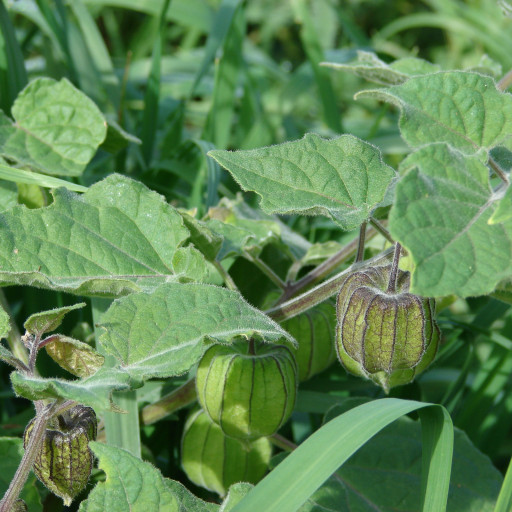
Plant Overview
Often called "Chinese Lanterns," "Husk Tomatoes," or "Cape Gooseberries," the Physalis genus is a whimsical addition to any landscape. These plants are most famous for their vibrant, papery husks that resemble delicate floating lamps protecting a hidden treasure. Whether you are growing them for their tangy edible fruit or their stunning autumn aesthetics, they bring a touch of mystery and folklore to the garden.
🔍 How to Identify
- 🏮 The Lantern: The most iconic feature is the "calyx"—a large, inflated, papery husk that completely encloses the fruit. It often turns from green to a brilliant orange or red as it matures.
- 🍃 Foliage: The leaves are generally heart-shaped or ovate with wavy margins, feeling soft to the touch and arranged alternately along the stems.
- 🔔 The Flower: Before the lantern appears, the plant produces small, nodding, bell-shaped flowers. They are typically creamy yellow, often featuring five dark spots at the base of the petals.
🏡 In Your Garden
- ☀️ Sun Seekers: These plants are sun-worshippers. Plenty of direct light is essential for the "lanterns" to develop their rich, deep colors and for the fruit to sweeten.
- 🏃 Space Invaders: Be mindful that many species, particularly the ornamental Physalis alkekengi, have vigorous underground rhizomes. They can be quite invasive, so planting them in submerged pots or contained beds is a smart move to prevent a garden takeover.
- 🌱 Resilient Roots: Once established, they are surprisingly drought-tolerant, but they prefer well-draining soil. Over-fertilizing can lead to lots of leaves but very few "lanterns," so a "less is more" approach works best.
⚠️ Safety & Toxicity
- 🚫 Toxic Parts: Like many members of the Nightshade family, the stems, leaves, and specifically the unripe (green) fruit contain solanine, which is toxic.
- 🐾 Pets & Kids: Keep curious pets and children away from the foliage. Ingesting unripe berries or leaves can cause stomach upset, vomiting, or more severe neurological symptoms. Only the fully ripe fruit of specific edible species (like Tomatillos or Cape Gooseberries) should ever be consumed.
✨ Fun Fact
In Japan, the Physalis (known as Hozuki) is a central part of the Obon Festival. The bright orange lanterns are believed to be spirits or "spirit guides" that help lead the souls of ancestors back to their families during the celebration.

Detailed Care Instructions
To grow Physalis plants, also known as ground cherries or Cape gooseberries, you can follow these steps:
- Choose a sunny location: Physalis plants thrive in full sun, so choose a spot in your garden or a container that receives at least 6-8 hours of direct sunlight per day.
- Prepare the soil: Physalis plants prefer well-draining soil that is rich in organic matter. Loosen the soil and amend it with compost or well-rotted manure to improve fertility and drainage.
- Start seeds indoors (optional): Physalis seeds can be started indoors 6-8 weeks before the last frost date in your area. Sow the seeds in seed-starting trays or small pots filled with seed starting mix. Keep the soil consistently moist and maintain a temperature of 70-75°F (21-24°C) for germination.
- Transplant or directly sow seeds: Physalis plants can also be directly sown outdoors in the garden after the danger of frost has passed. Plant the seeds about 1/4 inch deep in well-prepared soil.
- Water regularly: Physalis plants need regular watering to keep the soil evenly moist. However, be careful not to overwater, as they do not like soggy conditions. Water at the base of the plants, avoiding wetting the leaves, to prevent diseases.
- Provide support (optional): Some Physalis varieties can become tall and sprawl, so providing support, such as stakes or cages, can help the plants stay upright and prevent fruits from touching the ground.
- Mulch: Apply a layer of organic mulch, such as straw or shredded leaves, around the base of the plants to retain moisture, suppress weed growth, and moderate soil temperature.
- Fertilize: Physalis plants benefit from regular fertilizing. Use a balanced, organic fertilizer once a month or incorporate a slow-release fertilizer into the soil at planting time.
- Prune if necessary: If your Physalis plants become dense and overcrowded, you can selectively prune back some branches to improve air circulation and light penetration.
- Harvest the fruits: Physalis fruits will be ready to harvest when they turn golden yellow and easily detach from the plant. Gently press the fruit to check for ripeness—ripe fruits should feel soft. Harvest regularly to encourage continuous fruit production.
By following these steps and providing proper care, you should be able to successfully grow Physalis plants and enjoy their delicious fruits.

To water this plant, ensure that the soil feels dry when touched before watering. Use a watering can or hose to water the base of the plant, being careful not to get water on the leaves. Avoid overwatering as this can lead to root rot. It is recommended to water this plant early in the morning or in the evening to reduce evaporation and ensure optimal absorption. Always allow excess water to drain away to avoid waterlogging the soil.
To fertilize this plant, you should first test the soil to determine its nutrient levels. Then, choose a balanced fertilizer that contains equal parts nitrogen, phosphorus, and potassium, and apply it in small amounts on a regular basis, such as every 2-3 weeks. Be sure to follow the manufacturer's instructions for the appropriate amount to use. Additionally, you can use organic fertilizers, such as compost or manure, to supplement the soil. Remember to water the plant thoroughly before and after fertilizing to help distribute the nutrients throughout the soil.
To grow Physalis plants successfully, it is essential to choose the appropriate soil. A suitable soil mixture should be loose, crumbly, and well-draining, with a pH between 6.0 and 6.8. The soil should be enriched with organic matter such as compost, aged manure, or leaf mold to improve soil structure and provide essential nutrients to the growing plant. Avoid heavy clay soils, which can cause waterlogging and root rot. Additionally, the soil should be warm and well-aerated to support healthy root growth. Before planting, it is recommended to test the soil to ensure that it contains an adequate level of nutrients and minerals.
To propagate this particular plant, you will need to gather some ripe fruit which contains the seeds. Clean the seeds by removing the fruit pulp from around them. Next, sow the seeds in moist soil and water thoroughly. Keep the soil moist until the seeds germinate and the young plants emerge. Once they have established themselves, you can transplant them into separate pots or directly into your garden. Make sure to water them regularly and give them plenty of sunlight. They should begin to grow and produce fruit within a few months.







