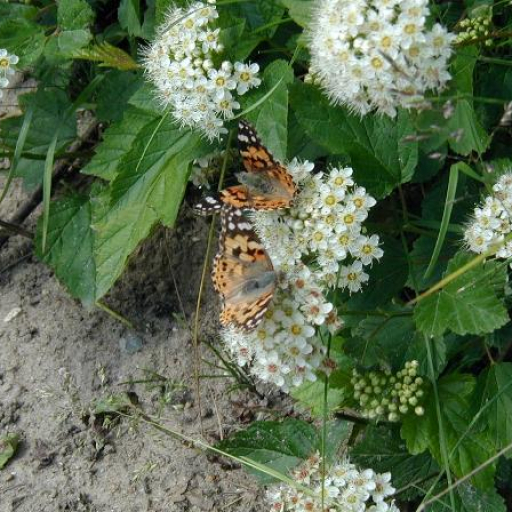
Plant Overview
Known as the Mallow Ninebark, this rugged deciduous shrub is a resilient beauty native to the mountainous regions of Western North America. It earns its unique name from its fascinating, papery bark that appears to peel away in "nine" thin, cinnamon-colored layers. Often found clinging to rocky slopes or tucked into coniferous forests, it is a favorite for gardeners looking to add a touch of wild, textured elegance to their landscapes.
🔍 How to Identify
- 📜 The Peeling Bark: The most distinct feature is the mature stems, which exhibit multiple layers of shredding, papery bark that reveals lighter colors underneath.
- 🍃 Mallow-Like Leaves: The foliage consists of three-lobed, dark green leaves that closely resemble those of a mallow or a small maple, often featuring a soft, fuzzy texture on the underside.
- 🌸 Cluster Blooms: In late spring, it produces dense, rounded clusters of small white-to-pinkish flowers, each boasting numerous delicate stamens that give the bloom a "fuzzy" appearance.
🏡 In Your Garden
- ⛰️ Erosion Expert: Because of its deep and aggressive root system, this plant is a champion at stabilizing soil on steep banks or hillsides where other plants might struggle to take hold.
- ✂️ Low Maintenance Pruning: While it can handle a heavy prune to maintain shape, many gardeners prefer to leave it natural to showcase the winter interest provided by its exfoliating bark against the snow.
⚠️ Safety & Toxicity
- 🟢 Generally Safe: Mallow Ninebark is not considered toxic to humans or common household pets like dogs and cats.
- 🦌 Wildlife Forage: While safe, it isn't particularly tasty for humans; however, it serves as a vital winter food source for browsing deer and elk in the wild.
✨ Fun Fact
The Mallow Ninebark is a "fire-adapted" survivor; it is one of the first plants to sprout back from its root crown after a forest fire, helping to kickstart the recovery of the entire ecosystem!

Detailed Care Instructions
To grow a Physocarpus malvaceus plant, also known as the mallow ninebark, follow these steps:
- Choose the right location: Physocarpus malvaceus prefers full sun to partial shade. Select a spot in your garden that receives at least 6-8 hours of direct sunlight. The soil should be well-draining and rich in organic matter.
- Prepare the soil: Before planting, prepare the soil by removing any weeds or grasses. Loosen the soil with a garden fork or a tiller to a depth of about 12 inches. Mix in compost or well-rotted manure to improve soil fertility and drainage.
- Planting: Dig a hole that is slightly wider and the same depth as the root ball of the plant. Gently remove the plant from its container and place it in the hole, making sure that the crown of the plant is level with the soil surface. Fill the hole with soil and tamp it down gently to remove any air pockets. Water immediately after planting.
- Watering: Keep the soil consistently moist but not waterlogged, especially during the first growing season. Physocarpus malvaceus is relatively drought-tolerant once established, but regular watering is essential to help the plant establish its root system.
- Mulching: Apply a layer of organic mulch, such as wood chips or pine straw, around the base of the plant. Mulching helps retain moisture, suppress weed growth, and maintain a more even soil temperature.
- Pruning: Physocarpus malvaceus can be pruned in late winter or early spring to remove any dead or damaged branches. You can also shape the plant to your desired size and form, but avoid excessive pruning, as the plant blooms on old wood.
- Fertilizing: Apply a balanced slow-release fertilizer in early spring to provide essential nutrients to the plant. Follow the manufacturer's instructions for application rates.
- Pests and diseases: Physocarpus malvaceus is relatively resistant to pests and diseases. However, keep an eye out for common issues like aphids, powdery mildew, or leaf spot. If necessary, treat with appropriate organic or chemical insecticides or fungicides.
- Propagation: Physocarpus malvaceus can be propagated through seed sowing, but it is typically more difficult and time-consuming. It is easier to propagate through cuttings taken in late spring or early summer. Dip the cuttings in a rooting hormone and place them in a well-draining potting mix until roots develop. Transplant the new plants into the garden after they have established a healthy root system.
By following these steps, you should be able to successfully grow a Physocarpus malvaceus plant in your garden and enjoy its attractive foliage and flowers.

Place in a bright room that is sun drenched almost all day. Or directly in a south-facing window.

Physocarpus Malvaceus is a plant that requires regular watering in order to grow and thrive. When watering, it's important to moisten the soil thoroughly, but not to overwater it. To avoid overwatering, make sure to let the soil dry out slightly in between watering sessions.
Additionally, Physocarpus Malvaceus prefers to be watered from the bottom up, rather than having water poured directly onto the leaves and stem. This can be achieved by using a drip tray or saucer underneath the pot, and pouring water into the tray so that it can be absorbed through the drainage holes in the bottom of the pot.
It's important to also avoid getting water on the leaves of the plant, as this can lead to the growth of mildew or other fungal diseases. To prevent this, water the plant early in the morning or late in the day, when the sun is less intense and the leaves have a chance to dry off before nighttime.
Finally, if you are unsure about whether or not your Physocarpus Malvaceus needs watering, you can use the "finger test" - simply stick your finger into the soil up to the first knuckle. If the soil feels dry, it's time to water the plant. If it still feels moist, wait a day or two before checking again.
To fertilize this plant, you should apply a balanced, slow-release fertilizer in early spring, just before new growth begins. Apply the fertilizer evenly around the base of the plant according to the package instructions. Avoid getting the fertilizer on the leaves or stems as this can cause burning. Water the plant after fertilizing to help it absorb the nutrients. Repeat the fertilization process every 4-6 weeks during the growing season if desired.
The ideal soil for this plant is a mixture of loam, sand, and organic matter. It should be well-draining to prevent the roots from rotting. The pH level of the soil should be slightly acidic to neutral, around 5.5 to 7.0. The plant prefers a soil that is rich in nutrients and has good water retention capacity. It is recommended to add compost or aged manure to the soil to improve its fertility. The depth of the soil should be enough to accommodate the root system of the plant. Adequate soil preparation is necessary for successful growth and development of this plant.
Propagation of this plant can be done through various techniques. One common method is through softwood cuttings taken during the early summer months. The cuttings should be taken from the current year's growth and should be 4-6 inches long. The lower leaves should be removed and the cuttings should be dipped in a rooting hormone before being planted in a well-draining soil mixture. The cuttings should be kept moist and in a shaded area until roots have formed.
Another method of propagation is through layering. This involves taking a flexible stem and bending it so that it touches the ground. The area where the stem touches the ground should be scraped a little to promote root growth. The stem should then be held in place with a stake or rock and covered with soil. After several months, the stem can be cut from the parent plant and replanted elsewhere.
Propagation can also be done through seed, although this method may take longer to produce a mature plant. Seeds should be collected from ripe seed capsules and sown in a well-draining soil mixture. They should be kept moist and in a shaded area until they have germinated and grown several inches tall. At that point, they can be transplanted to their permanent location.








