Plant Overview
Known affectionately as the Spiked Rampion, this elegant perennial looks like it stepped straight out of a European fairytale. With its unusual, alien-looking flower spikes and heart-shaped foliage, it is a favorite for wildflower enthusiasts who want something more architectural and "wild" than a standard garden daisy.
🔍 How to Identify
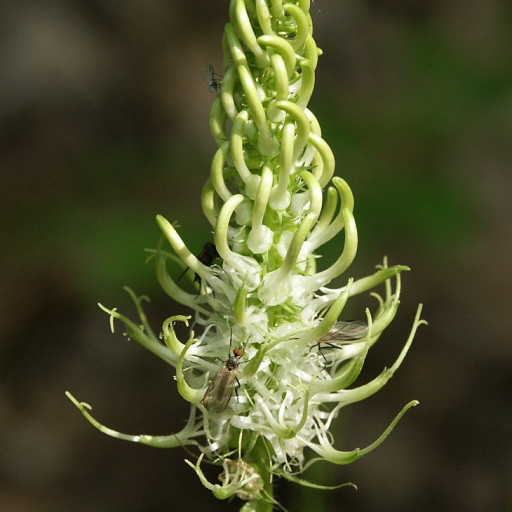
- 💐 The "Claw" Flowers: The most striking feature is the flower spike, which is covered in tiny, curved buds that look like miniature green or cream-colored claws before they open.
- 🍃 Heart-Shaped Leaves: The leaves at the base of the plant are distinctly heart-shaped with "toothed" edges, forming a low-growing rosette that stays green throughout the early season.
- 📏 Vertical Growth: It produces tall, unbranched stems that can reach up to 2–3 feet, topped with a dense, cylindrical cluster of pale-greenish or yellowish-white blossoms.
🏡 In Your Garden
- 🌳 Woodland Vibes: In nature, this plant loves the edges of forests. In your garden, it performs best in dappled shade or "cool" sun. It struggles in intense, baking afternoon heat.
- 🌱 The Taproot Rule: Spiked Rampion grows a thick, fleshy taproot. Because of this, it hates being moved once it is planted. It is best to plant it exactly where you want it to stay for years to come.
- 🦋 Pollinator Magnet: While it might look strange to us, bees and butterflies find the nectar-rich spikes irresistible, making it a great choice for a biodiversity-focused garden.
⚠️ Safety & Toxicity
- 🥗 Safe Status: Historically, Spiked Rampion was actually grown as a vegetable! The roots and young leaves are edible and were often used in salads in centuries past.
- 🐾 Pets and Kids: This plant is considered non-toxic to humans and common household pets. However, because it is not a common food crop today, it’s always best to prevent children or pets from munching on garden ornamentals to avoid any mild digestive upset.
✨ Fun Fact
The name "Rampion" is derived from the Latin rapum, meaning "turnip," referring to its edible root. It is widely believed that this plant—or its close relative—is the "Rapunzel" herb from the original Brothers Grimm fairytale, which the pregnant mother craved so deeply she risked her life to steal it from the witch’s garden!

Detailed Care Instructions
| Humidity | Normal |
| Difficulty | Easy |
| Hibernation | Cold Period |
| Temperature | 15°C - 25°C |
| Hardiness Zones | 6A - 10B |
To grow Phyteuma spicatum, also known as spicate rampion or spiked rampion, you can follow these steps:
- Climate and Soil Requirements: Phyteuma spicatum thrives in cool to moderate climates, such as those found in Europe and parts of Asia. It prefers well-draining soil that is fertile and slightly acidic.
- Seed Starting: Start by sowing the seeds indoors during early spring, about 8-10 weeks before the last frost date in your area. Use seed trays or pots filled with a light, well-draining potting mix. Press the seeds lightly into the surface of the soil, but do not cover them completely.
- Germination: Keep the seeds consistently moist, but avoid overwatering as it can lead to fungal issues. Provide bottom heat or place a propagator cover over the tray to maintain a temperature of around 70°F (21°C). Germination usually occurs within 2-4 weeks.
- Transplanting: Once the seedlings have developed 2-4 true leaves, they can be transplanted to larger pots or directly into the garden. Gradually acclimate them to outdoor conditions before transplanting to reduce transplant shock.
- Outdoor Planting: Choose a location in your garden that receives partial shade or filtered sunlight. Prepare the soil beforehand by adding organic matter like compost, as Phyteuma spicatum appreciates fertile soil. Plant the seedlings, leaving enough space between plants to accommodate their mature size.
- Watering: Keep the soil consistently moist, but avoid overwatering to prevent root rot. Water deeply and regularly during dry periods, especially during the summer months.
- Mulching: Apply a layer of organic mulch around the plants to help retain moisture, suppress weeds, and keep the soil temperature stable.
- Pruning: After Phyteuma spicatum flowers, you can deadhead the spent blooms to encourage further flowering or allow the flowers to develop into seedheads for self-seeding.
- Fertilization: Phyteuma spicatum generally does not require heavy fertilization. However, you can provide a balanced, slow-release fertilizer during the growing season to support healthy growth.
- Pest and Disease Control: Phyteuma spicatum is generally resistant to pests and diseases. However, you should keep an eye out for common garden issues like aphids, slugs, or powdery mildew, and take appropriate measures if necessary.
By following these steps and providing the appropriate care, you can successfully grow Phyteuma spicatum in your garden.

Place in a bright room that is sun drenched almost all day. Or directly in a south-facing window.

To effectively water this particular plant, you should first determine its watering needs based on its natural habitat, soil type, and current environmental conditions. You may need to water it more frequently if it is located in a particularly dry or sunny area, or if the soil is sandy and drains quickly. Conversely, if the soil is dense and heavy, you may need to water less frequently to avoid over-saturating the roots.
When watering, ensure that the water reaches the roots and does not simply pool on the surface of the soil. This can be achieved by watering deeply and slowly, allowing the water to soak in before adding more. Avoid watering the leaves or flowers, especially during the hottest parts of the day, as this can cause damage or encourage fungal growth.
Additionally, consider using a mulch around the base of the plant to help retain soil moisture and reduce the need for frequent watering. As with any plant, it is important to be attentive to the plant's overall health and adjust your watering schedule accordingly.
To fertilize this plant, use a balanced, slow-release fertilizer, applying it around the base of the plant in early spring or late fall. Be sure to follow the package instructions for dosage and application method. Avoid getting fertilizer on the leaves or stem as this can cause damage. Water the plant after fertilizing to help the nutrients soak into the soil.
Phyteuma Spicatum plant prefers a well-draining soil that is moist but not waterlogged. The soil should have a pH level of neutral to slightly acidic. It is recommended to mix in organic matter such as compost or peat moss to improve soil fertility and texture. Avoid using heavy clay soils as these can cause root rot. A sandy loam soil with good drainage is ideal for this plant. Ensure that the soil is not too compact as this can also impact drainage and root growth.
To propagate this plant, first, select a healthy and mature specimen from which to harvest seeds. Once the seeds are harvested, sow them in a greenhouse or outdoors in a seedbed. It is important to keep the soil moist and well-draining during the germination process. Once the seedlings have established, they can be transplanted to their permanent growing location. Propagation via root division can also be done by carefully dividing the root system of a mature plant into several sections, ensuring each section has sufficient roots and leaves. These sections can then be planted in their permanent location and cared for per the plant’s specific needs.








