Plant Overview
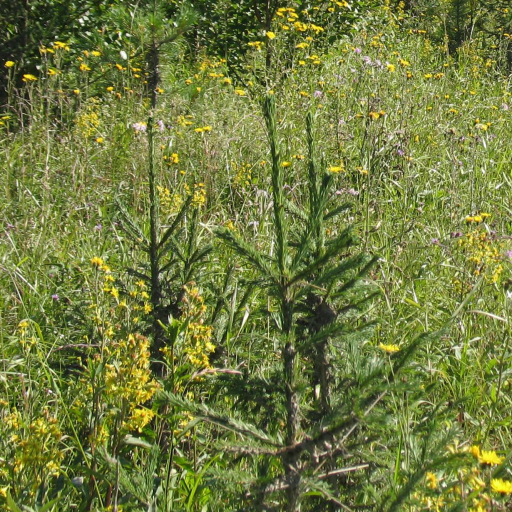
The Siberian Spruce, or Picea obovata, is the resilient "Ice Queen" of the taiga. Standing as a symbol of endurance, this evergreen conifer blankets vast stretches of Northern Eurasia, from Scandinavia all the way to the Pacific coast. Often mistaken for its cousin, the Norway Spruce, this species is uniquely adapted to survive some of the coldest inhabited places on Earth.
🔍 How to Identify
- 🌲 Growth Habit: It maintains a very narrow, spire-like conical shape, which helps it shed heavy snowfall without its branches snapping.
- 🪡 Needle Texture: The needles are short (about 1 to 2 cm), stiff, and slightly blunt at the tips compared to other spruces, typically displaying a dark green to slightly glaucous (blue-green) hue.
- 📦 The Cones: It produces small, cylindrical cones that hang downward. When young, they are often a beautiful purple or dark red, turning a pale brown as they mature and woody.
🏡 In Your Garden
- ❄️ Cold Specialist: This plant is not just "hardy"—it is a specialist. It requires a distinct cold dormant period to thrive and will struggle significantly in humid, subtropical, or hot temperate zones where the nights don't cool down.
- 💧 Soil & Drainage: While it loves moisture and can tolerate heavier soils than many pines, it hates "wet feet" (standing water). It prefers acidic to neutral soil; if your garden is highly alkaline, the needles may turn yellow (chlorosis).
- 🌬️ Windbreak Warrior: Because of its dense growth and narrow profile, it makes an excellent natural privacy screen or windbreak for large rural properties in northern latitudes.
⚠️ Safety & Toxicity
- ✅ Safe Status: The Siberian Spruce is generally considered non-toxic to humans, dogs, cats, and horses.
- 🌵 Prickle Warning: While not chemically toxic, the needles are stiff and sharp. Small children or curious pets might experience minor skin irritation or "stings" if they run into the branches, and the needles are a choking hazard if ingested in large quantities.
✨ Fun Fact
The Siberian Spruce is a master of hybridization! Where its range overlaps with the Norway Spruce in Europe, they fall in love and create a natural hybrid known as Picea × fennica, which carries the best survival traits of both parents.

Detailed Care Instructions

Place in a bright room that is sun drenched almost all day. Or directly in a south-facing window.

Some plants require more regular watering than others, which should be done every few days. It's critical to maintain the soil moist all of the time. The water requirements of the same plant placed in pots with varying sizes will differ. Because the water in the smaller pot evaporates faster than the water in the larger pot, it will require more watering. Regardless of pot size, the surface should constantly be maintained moist.








