Plant Overview
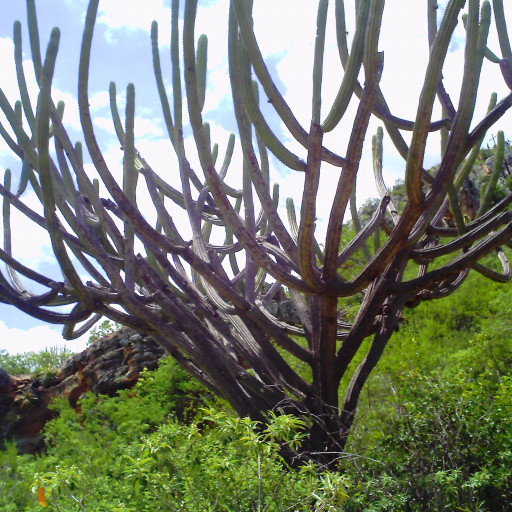
Known affectionately as the Blue Torch Cactus, this Brazilian beauty is famous for its striking turquoise-blue skin that looks almost painted. In its native habitat of the Caatinga scrublands, it grows into a majestic tree-like structure, but in the home, it remains a sleek, architectural centerpiece that brings a "cool" desert vibe to any room.
🔍 How to Identify
- 🟦 Azure Skin: The most defining feature is its vibrant blue-teal stem. This color is actually a powdery wax (epicuticular wax) that the plant produces to protect itself from the sun.
- ☀️ Golden Spines: Running down the vertical ribs are clusters of bright yellow or golden-brown spines that create a beautiful color contrast against the blue flesh.
- ☁️ Woolly Areoles: As the plant matures, the "notches" where spines grow (areoles) become increasingly fuzzy or hairy, often developing a white, woolly appearance near the top.
🏡 In Your Garden
- ☀️ Sun-Induced Color: The intensity of the blue color depends entirely on light. To keep that "Blue Torch" glow, it needs as much direct sunlight as possible; in low light, the new growth will turn a dull forest green.
- 🏜️ The "Wet Feet" Rule: While it is a relatively fast grower for a cactus, it is extremely sensitive to root rot. It prefers a "soak and dry" method where the soil dries out completely before the next watering, as its roots are evolved for rocky, well-draining Brazilian slopes.
⚠️ Safety & Toxicity
- 🌵 Physical Hazard: While the Pilosocereus pachycladus is not chemically toxic to humans or pets, its spines are very sharp and can cause painful punctures or skin irritation.
- 🐾 Pet Placement: Keep this plant on high shelves or in heavy pots that cannot be knocked over, as curious pets may find the golden spines difficult to resist but painful to touch.
✨ Fun Fact
The thick blue wax on this cactus acts exactly like high-SPF sunscreen! It reflects UV rays and prevents the plant's internal tissues from "sunburning" in the intense heat of the Brazilian sun. If you rub the blue off, it usually won't grow back on that specific spot!

Detailed Care Instructions
| Soil Ph | Neutral To Acidic |
| Humidity | Dry |
| Lighting | Full Sun |
| Soil Type | Sandy, Well-Drained |
| Bloom Time | Summer |
| Difficulty | Easy |
| Plant Type | Cactus |
| Hibernation | Cold Period |
| Mature Size | 6–12 Ft. Tall, 2–4 Ft. Wide |
| Native Area | Mexico, South America, Caribbean |
| Temperature | 12°C - 30°C |
| Sun Exposure | Bright Indirect Light To Direct Sun |
| Hardiness Zones | 9-11 |
To grow Pilosocereus Pachycladus, also known as the Blue Torch Cactus, follow these steps:
- Choose a suitable location: This cactus prefers full sun or partial shade. Pick a spot with well-draining soil, as the cactus is sensitive to overwatering.
- Plant the cactus: If you have a mature plant, carefully remove it from its nursery pot and plant it in a larger pot or directly in the ground. Ensure that the soil is sandy or gravelly to improve drainage.
- Provide proper watering: Water the cactus sparingly, allowing the soil to dry out completely between waterings. Overwatering can lead to root rot and other problems. During winter, reduce watering even further.
- Use fertilizer: During the growing season (spring and summer), you can use a balanced cactus fertilizer diluted to half strength. Apply it once a month to promote healthy growth. Avoid fertilizing during winter.
- Prune if necessary: The Blue Torch Cactus naturally grows tall and can become leggy. If you want a more compact plant, you can prune the top parts of the stems. Use clean pruning shears and wear gloves to protect yourself from the spines.
- Protect from frost: This cactus is not frost-tolerant. If you live in a cold climate, you must provide protection from freezing temperatures, either by bringing it indoors or covering it with a frost cloth during winter.
- Monitor for pests and diseases: Keep an eye out for common cactus pests, such as mealybugs or scale insects. Treat any infestations promptly with an appropriate insecticide or by manually removing them with a cotton swab dipped in rubbing alcohol.
Remember that pilosocereus pachycladus is slow-growing, so be patient as you care for it. With proper attention and care, it can become a stunning addition to your indoor or outdoor garden.

Place in a bright room that is sun drenched almost all day. Or directly in a south-facing window.

1. Soil Moisture: The first and most important thing to keep in mind when watering Pilosocereus Pachycladus is to ensure that the soil is moist but not overly wet. This can be checked by simply sticking your finger in the soil about an inch deep. If it feels dry, it's time to water.
2. Watering Frequency: The frequency of watering depends on various factors, such as the size of the plant, humidity level, and temperature. It is recommended to water Pilosocereus Pachycladus once every two weeks during the summer months and once every three weeks during the winter months.
3. Water Quantity: The quantity of water required will also depend on the size of the plant. Small plants require less water, while larger plants require more. As a general rule, it is best to water slowly and thoroughly until the water runs out of the drainage holes.
4. Water Quality: The quality of water is also an important factor to consider when watering Pilosocereus Pachycladus. The plant is sensitive to chemicals present in tap water, such as fluoride and chlorine. Therefore, it is recommended to use distilled or rainwater for watering.
5. Drainage: Ensure that the plant pot has proper drainage holes to allow excess water to drain out. Stagnant water can cause root rot, which is dangerous for the plant's health.
6. Humidity: Pilosocereus Pachycladus thrives in humid conditions. You can increase the humidity around the plant by misting it regularly with water or placing a tray of water near the plant.
7. Drying Period: Remember to allow the soil to dry out slightly between watering sessions. Overwatering can be damaging to the plant, as it can lead to root rot.
By keeping these things in mind and following a consistent watering schedule, you can ensure that your Pilosocereus Pachycladus stays healthy and happy.
To fertilize this plant, use a balanced fertilizer with a ratio of 10-10-10 or 20-20-20. Dilute the fertilizer to half strength and apply to the plant's soil every 2-4 weeks during the growing season. Do not fertilize during the winter months when the plant is dormant. Always water the plant thoroughly before and after fertilizing to prevent root burn.
Pilosocereus Pachycladus is a type of cactus plant that requires dry and well-draining soil. The ideal soil mix is a combination of sandy, rocky, and loamy soil with good drainage properties. The soil must be nutrient-rich, acidic, and should have a pH range of 6 to 7.5. Avoid using heavy clay soil or potting mixtures that retain too much moisture as it can cause root rot and damage the plant. A suitable soil mix for Pilosocereus Pachycladus should be a blend of organic materials like peat moss and coco coir, mixed with coarse sand and perlite to enhance drainage. Additionally, it is recommended to add some gravel or rocks at the bottom of the pot to improve drainage and simulate the plant's natural arid habitat.
To propagate this particular plant, you will need to take a cutting from a mature, healthy plant. The cutting should be several inches long and include a few nodes or joints. Once you have your cutting, you will need to let it dry out for a few days to prevent it from rotting. After it has dried out, you can place it in a pot with well-draining soil. Water sparingly and keep it in a warm, shaded area until you see new growth. This can take several weeks to a few months. Once the new growth appears, you can move the plant to a brighter location and water it more frequently. Gradually acclimate it to full sun over time. With proper care, your new Pilosocereus Pachycladus plant will grow and thrive.
Common pests of the blue columnar cactus include Scale insect, mealybugs, spider mites, thrips. Make a habit of checking your blue columnar cactus frequently for pests so that any infestations can be caught and managed early.








