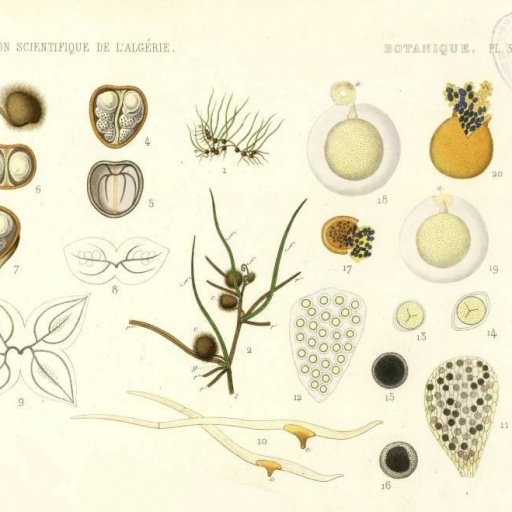
Plant Overview
Known as the Least Pillwort, Pilularia minuta is one of the smallest and most elusive ferns on the planet. Unlike the lush, feathery fronds we typically associate with ferns, this botanical rarity looks like a tiny tuft of bright green grass emerging from the mud. It is a specialist of "ephemeral pools"—temporary ponds that vanish in the summer heat—making it a true survivor of the Mediterranean landscape.
🔍 How to Identify
- 🌿 Leaf Shape: The "fronds" are actually thin, thread-like filaments that stand upright, rarely growing more than 3 or 4 centimeters tall.
- 💊 The "Pills": At the base of the leaves, look for tiny, dark brown or black spherical cases called sporocarps. These look like miniature peppercorns and contain the plant's spores.
- 🌱 Growth Habit: It spreads via a creeping horizontal stem (rhizome) that crawls along the mud, forming dense but miniature green mats.
🏡 In Your Garden
- 💧 The Drying Cycle: This plant is rarely found in traditional gardens because it requires a very specific seasonal cycle. It thrives when submerged in shallow water during winter and spring, but it actually needs the mud to dry out in the summer for its "pills" to mature.
- 🌍 A Rare Specialist: If you are a specialized bog gardener or aquarium hobbyist, know that this plant is extremely sensitive to water quality. It hates competition; if larger grasses or algae take over, this tiny fern will quickly be shaded out and disappear.
⚠️ Safety & Toxicity
- ✅ Harmless: Pilularia minuta is non-toxic to humans, dogs, cats, and livestock.
- 🛡️ Conservation Status: The biggest safety concern is for the plant itself. It is critically endangered in many parts of its range due to habitat loss. In many regions, it is a protected species, and removing it from the wild is illegal and ecologically damaging.
✨ Fun Fact
Despite looking like a simple blade of grass, Pilularia minuta is a highly evolved aquatic fern. Its "pills" (sporocarps) are incredibly hardy; they can stay dormant in dry, cracked mud for several years, waiting patiently for the perfect rainstorm to "wake up" and begin their life cycle again!

Detailed Care Instructions
To grow Pilularia minuta, also known as pillwort, you can follow these steps:
- Obtain seeds or plants: Check local nurseries, botanical gardens, or online plant retailers for Pilularia minuta seeds or potted plants. Alternatively, you can try to collect seeds from existing plants in the wild, but this should be done responsibly and legally.
- Choose the right location: Pillwort requires a partially shaded or full sun environment. It thrives in acidic to neutral water bodies such as wetlands, marshes, or ponds. Make sure the location has consistently wet or submerged conditions.
- Prepare the planting area: If starting from seeds, make sure the planting area is thoroughly wet or submerged before planting. Remove any debris or competing vegetation from the area to ensure the pillwort has space to grow. If using a container, make sure it is suitable for aquatic plants and filled with appropriate water and soil medium.
- Plant the seeds or potted plants: For seeds, scatter them over the planting area or press them lightly into the soil. If using potted plants, carefully place them in the chosen location or pot, making sure the roots are submerged in water or soil medium.
- Maintain proper care: Keep the planting area consistently wet or submerged. Provide regular water or ensure the container is always filled with water. Avoid letting the soil or planting area dry out but also ensure there is proper drainage to prevent waterlogging.
- Control surrounding vegetation: Remove any invasive species or aggressive plants that could compete with pillwort for nutrients and space. Maintain a clean and clear area around the plant to facilitate its growth.
- Monitor growth and adapt care: Monitor the growth of the pillwort and make adjustments to the care as needed. Pay attention to any signs of stress or disease, and address them promptly. Regularly check and maintain the water quality in case of any issues.
- Be patient: Pillwort is a slow-growing plant, so be patient and allow it time to establish itself and grow. It may take several months or even a year before you see significant growth.
Remember to follow any local regulations or guidelines regarding the collection and cultivation of native plants.
When watering Pilularia Minuta, it is important to ensure that its moisture needs are met in order to maintain its health and growth. Here are some guidelines to follow when watering this plant:
- Understanding its habitat: Pilularia Minuta is typically found in habitats such as damp meadows, marshes, or wetlands. These areas are characterized by a high level of moisture or even standing water.
- Consistent moisture: To mimic its natural habitat, it is important to keep the soil consistently moist but not waterlogged. The soil should remain damp, but not soggy or waterlogged, as excessive water can lead to rotting of the roots.
- Drainage: The plant should be grown in a container with adequate drainage. This ensures that excess water can escape, preventing waterlogging and promoting healthy root growth.
- Watering frequency: Watering should be done regularly to maintain the desired moisture level. This is especially important during the growing season or when the plant is actively producing new shoots and leaves. Monitor the moisture level in the soil and water whenever it starts to dry out.
- Watering method: It is generally recommended to water Pilularia Minuta from the bottom rather than directly onto the foliage. This can be done by placing the container in a tray or saucer filled with water and allowing the plant to absorb the moisture through the drainage holes.
- Avoiding water quality issues: The water used for Pilularia Minuta should preferably be free from chemicals such as chlorine or fluoride, as these can be harmful to the plant. If tap water is used, it is advisable to let it sit for a day or two before using it, allowing any chlorine to dissipate.
- Adjusting watering during dormancy: Pilularia Minuta may go into a dormancy phase during certain times of the year, often during winter. During dormancy, it is important to reduce watering to maintain a slightly drier soil. This prevents the plant from becoming waterlogged and promotes a healthier dormancy period.
Overall, providing consistent moisture and avoiding excessive waterlogging are key elements in the successful watering of Pilularia Minuta. Remember to observe the plant's specific needs, adjust watering accordingly, and monitor its overall health and growth.
- Start by selecting a suitable container for your Plant A. It should have drainage holes at the bottom to prevent waterlogging.
- Fill the container with a well-draining potting mix. You can use a combination of peat moss or coco coir, perlite, and sand.
- Create a small hole in the soil using your finger or a pencil. Make sure it is deep enough to accommodate the roots of the plant.
- Gently place the Pilularia Minuta plant into the hole and cover the roots with soil. Press the soil gently around the base of the plant to secure it.
- Water the plant thoroughly after planting, allowing the excess moisture to drain away. Avoid overwatering, as excessive moisture can lead to root rot.
- Fertilize the Pilularia Minuta plant during the growing season, which is typically spring and summer. Use a balanced, water-soluble fertilizer specifically formulated for aquatic plants.
- Dilute the fertilizer according to the manufacturer's instructions. Generally, a ratio of 1 teaspoon of fertilizer per gallon of water is recommended.
- Apply the diluted fertilizer to the soil around the plant or directly into the water if your plant is submerged. Be cautious not to exceed the recommended dosage, as it may harm the plant.
- Repeat the fertilization process every 2 to 4 weeks throughout the growing season, adjusting the dosage according to the plant's needs and growth.
- Monitor the growth and health of your Pilularia Minuta plant regularly. If you notice any signs of nutrient deficiency or excessive growth, adjust your fertilization frequency or dosage accordingly.
Note: It is important to research and ensure the specific fertilization needs of the Pilularia Minuta plant, as different species may have varying nutrient requirements.
When cultivating Pilularia Minuta, it is crucial to choose the appropriate soil to ensure optimal growth and health of the plant. This species thrives in wetland environments, so it requires a soil that can retain moisture and support its unique needs.
Ideally, the soil for Pilularia Minuta should have a rich organic content, as this helps with moisture retention and provides essential nutrients to the plant. An organic soil mix that includes a blend of peat moss, compost, and well-rotted manure can be suitable. These components enhance the soil's water-holding capacity while enriching it with essential minerals for the plant's growth.
Additionally, it is important to ensure that the soil has good drainage. Pilularia Minuta does not tolerate waterlogged conditions and may suffer from root rot if the soil becomes overly saturated. To improve drainage, it can be beneficial to incorporate sand or perlite into the soil mix, as these materials help to create a looser texture.
Another important aspect of the soil for Pilularia Minuta is its pH level. This plant prefers slightly acidic to neutral soil, with a pH range of 6.0 to 7.0. Testing the soil's pH and adjusting it accordingly, if necessary, can promote better growth and overall health of the plant.
It is worth noting that Pilularia Minuta is primarily an aquatic or semi-aquatic plant. Therefore, in addition to the appropriate soil, it is advisable to consider growing it in a container or an environment where its roots can be partially submerged in water. This allows the plant to access the necessary moisture for its growth and development.
Careful attention to the soil requirements will help provide a suitable growing medium for Pilularia Minuta, optimizing its chances of thriving in your garden or landscape.
Pilularia minuta is a small aquatic fern-like plant that can be propagated through various methods. Here are the details on how to propagate Pilularia minuta:
- Spore Propagation: Spores are tiny reproductive units produced by the Pilularia minuta plant. To propagate using spores, follow these steps:
a. Collect mature fronds of the plant that contain spore-bearing structures called sporangia.
b. Place the fronds in a paper bag and let them dry for a few days until the sporangia burst and release spores.
c. Prepare a clean and sterile growing medium consisting of a mix of peat moss and sand.
d. Spread the spores evenly on the growing medium's surface, ensuring they are not too close to each other.
e. Cover the container with a plastic lid or bag to maintain high humidity.
f. Place the container in a warm and well-lit location, preferably with indirect light and an ambient temperature around 70-75°F.
g. Mist the surface with water regularly to keep it moist.
h. After a few weeks, you should start seeing tiny green gametophytes (heart-shaped structures) emerging from the spores.
i. Allow the gametophytes to grow and develop further for several months until they produce new fronds or sporophytes.
j. Transplant the young sporophytes into pots or an appropriate aquatic environment.
- Vegetative Propagation: Pilularia minuta can also be propagated through vegetative means, such as through rhizomes or plantlets:
a. Locate mature plants that have developed rhizomes or plantlets.
b. Gently dig up the parent plant, ensuring not to damage the rhizomes or plantlets in the process.
c. Carefully separate the rhizomes or plantlets from the parent plant, ensuring each has a portion of attached roots.
d. Plant the separated rhizomes or plantlets in suitable aquatic substrate, such as a mixture of sand and aquatic soil, ensuring they are partially submerged.
e. Maintain a consistent level of water in the growing container, keeping it slightly above the planted rhizomes or plantlets.
f. Place the container in a well-lit area with indirect sunlight.
g. Keep the water temperature between 70-75°F and ensure adequate nutrition by adding a diluted aquatic fertilizer, following the manufacturer's instructions.
h. Regularly monitor the growth of the propagated plants and provide appropriate care, such as maintaining proper water conditions and pruning as needed.
Both spore propagation and vegetative propagation can be effective methods to propagate Pilularia minuta. However, keep in mind that this plant requires specific aquatic conditions to thrive, such as maintaining proper water parameters and ensuring adequate lighting.








