Plant Overview
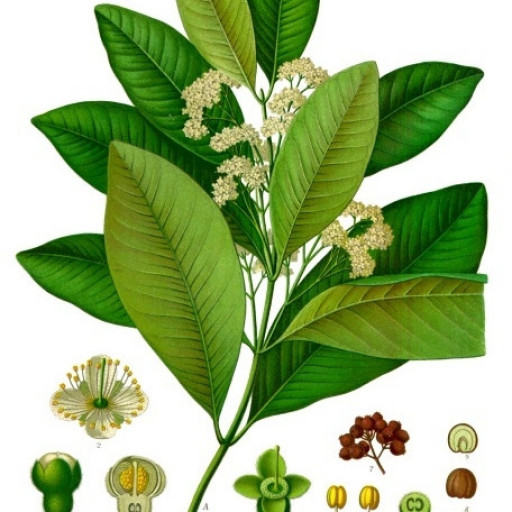
Often called the "Allspice" tree or "Jamaica Pepper," Pimenta dioica is the ultimate sensory delight for any tropical garden. It earned its common name because its dried berries taste like a perfect, aromatic blend of cinnamon, cloves, and nutmeg all rolled into one. Native to the Caribbean and Central America, this evergreen beauty offers more than just spice; its glossy foliage and peeling bark make it a stunning ornamental centerpiece.
🔍 How to Identify
- 🍃 Leathery Leaves: The leaves are large, opposite, and deep green with a glossy finish. When crushed, they release a potent, spicy fragrance similar to the berries.
- ⚪ Small White Blooms: In the spring, the tree produces clusters of tiny, white, fragrant flowers that attract bees and butterflies.
- 🍒 Pea-Sized Berries: The fruit starts as green, berry-like globes. To be used as a spice, they are harvested while green and sun-dried until they turn a dark, dusty brown.
- 🪵 Smooth Bark: The trunk features smooth, greyish-tan bark that occasionally peels in thin flakes, revealing a lighter layer beneath, much like a Eucalyptus tree.
🏡 In Your Garden
- ☀️ Tropical Requirements: As a native of the tropics, this tree thrives in high humidity and full sun. It is very sensitive to frost; if you live in a cooler climate, it must be kept in a large container and moved indoors for the winter.
- 👫 The "Dioica" Dilemma: Its botanical name refers to the fact that it is usually dioecious, meaning you typically need both a male and a female tree nearby to get a harvest of berries.
- 💧 Well-Draining Soil: While it loves moisture, it hates "wet feet." Ensure your soil is rich in organic matter but drains quickly to prevent root rot.
⚠️ Safety & Toxicity
- ✅ Safe for Humans: The dried berries are a staple culinary spice worldwide. However, the concentrated essential oil (eugenol) found in the leaves can cause skin irritation for some people.
- 🐾 Pet Caution: While not listed as highly toxic, the high concentration of essential oils in the leaves and berries can cause digestive upset if consumed in large quantities by dogs or cats. It is best to keep fallen berries cleared away from curious pets.
✨ Fun Fact
The name "Pimenta" comes from the Spanish word pimienta, meaning pepper. When Spanish explorers first saw the small, dark berries in the Caribbean, they mistook them for black peppercorns, which were an incredibly valuable commodity at the time!

Detailed Care Instructions
| Humidity | Normal |
| Lighting | Part Sun |
| Difficulty | Medium |
| Hibernation | Cold Period |
| Temperature | 15°C - 32°C |
| Hardiness Zones | 10 - 12 |
To grow a Pimenta Dioica plant, also known as the allspice tree, follow these steps:
- Choose the right location: Pimenta Dioica thrives in tropical or subtropical climates. It requires full sun but can tolerate partial shade.
- Soil preparation: Prepare the soil by ensuring good drainage. Add organic matter such as compost or well-rotted manure to improve soil nutrition and structure.
- Planting: Plant the Pimenta Dioica seedlings or young plants in spring, ensuring a spacing of 10-12 feet (3-4 meters) between each plant.
- Watering: Keep the soil consistently moist but not waterlogged. Young plants need regular watering until they establish their root systems. Use mulch to retain moisture and suppress weeds.
- Feeding: Fertilize the plant with a balanced organic fertilizer a few times a year. Follow the instructions on the fertilizer package for proper application rates.
- Pruning: Prune the plant during the dormant season to remove dead or weak branches. This will encourage new growth and maintain a healthy shape.
- Pests and diseases: Monitor the plant for common pests such as aphids or spider mites. Treat any infestations promptly with organic insecticidal soap or neem oil. Keep an eye out for fungal diseases and ensure good air circulation around the plant.
- Harvesting: Allspice berries can be harvested when they turn from green to a reddish-brown color. Usually, this occurs in late summer or early fall. Pick the berries by hand or cut entire branches and dry them for later use.
- Storage: Store the dried allspice berries in an airtight container in a cool, dark place. They will stay fresh for up to two years.
Remember to research the specific requirements of Pimenta Dioica for your region, as climatic conditions can vary.

Place in a bright room that is sun drenched almost all day. Or directly in a south-facing window.

To water this plant, it is important to first assess the moisture level of the soil. This can be done by inserting your index finger about one inch into the soil. If it feels dry, it is time to water.
When watering, it is important to thoroughly saturate the soil, ensuring that the water reaches the root system. However, it is important not to overwater, as this can lead to root rot.
It is recommended to water this plant once a week, but this may vary depending on the environmental conditions and the size of the pot. Additionally, it is important to avoid getting water on the leaves, as this can increase the risk of fungal diseases.
Overall, proper watering is crucial for the health and growth of this plant.
To fertilize this plant, you should apply an organic fertilizer that is rich in nitrogen, phosphorus, and potassium. The fertilizer should be applied every 2-3 months during the growing season. To avoid burning the roots, it is recommended to dilute the fertilizer with water before application. Wait until the topsoil is almost dry before watering the plant after fertilization. Do not over-fertilize the plant as it can cause damage.
For Pimenta Dioica plant, it is best to use well-draining soil that is rich in organic matter to provide adequate nutrition and moisture retention. The soil should have a slightly acidic pH level, preferably between 6.0 and 6.5, to support the plant's growth and development. Avoid using heavy clay soils, as they can impede drainage and cause waterlogging, which is detrimental to the plant's health. Additionally, adding perlite or vermiculite to the soil mixture can improve its porosity and increase aeration to promote root growth. It is recommended to fertilize the plant with a balanced fertilizer every two to four weeks during the growing season to ensure healthy, vigorous growth.
To propagate this plant, you will need to take stem cuttings from a mature plant that is healthy and disease-free. Choose a stem that is about 4-6 inches in length and has several leaves. Using a sharp and clean knife, make a clean cut just below a node, which is where a leaf meets the stem.
Remove the lower leaves and any flowers or buds from the stem to focus its energy on rooting. Dip the stem cutting in rooting hormone powder to encourage root growth and shake off any excess.
Prepare a potting mix of equal parts peat moss and perlite and moisten it slightly. Make a small hole in the center of the potting mix and plant the cutting, pressing it firmly into the soil and making sure that there are no air pockets around the stem.
Cover the pot with a clear plastic bag, creating a mini greenhouse, and place it in a location with bright but indirect light. Keep the soil moist but not soaking wet, and remove the plastic bag for a few hours every day to prevent the formation of mold and promote air circulation.
After a few weeks, the cutting should begin to root and produce new growth. Once the new plant has established a strong root system, you can transplant it into a larger pot or into your garden.
Common pests of the allspice include Mealybugs, spider mites, thrips. Make a habit of checking your allspice frequently for pests so that any infestations can be caught and managed early.








