Plant Overview
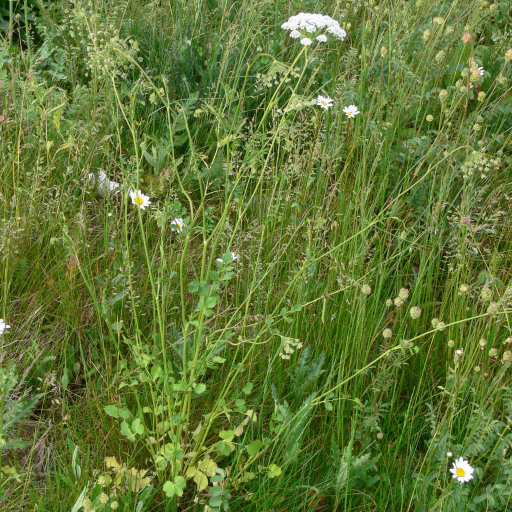
Often called the Wandering Burnet, Pimpinella peregrina is a delicate, airy perennial that looks like it stepped straight out of a Mediterranean meadow. With its cloud-like clusters of tiny white flowers, it adds a touch of "wild cottage core" to any landscape. While it may look fragile, this plant is a hardy traveler—as its Latin name peregrina (meaning "foreign" or "wandering") suggests—known for its ability to pop up in unexpected rocky crevices and sun-drenched hillsides.
🔍 How to Identify
- ☁️ The Flowers: It produces "umbels," which are flat-topped clusters of tiny, star-shaped white flowers that resemble intricate lace doilies floating on thin stems.
- 🌿 The Foliage: The leaves at the base are rounded and heart-shaped with toothy edges, while the leaves higher up the stem become much finer and more deeply divided, almost looking like fringe.
- 📏 The Stature: It typically grows upright with slender, wiry stems that can reach about 2 to 3 feet tall, giving it a see-through quality that doesn't block other plants.
🏡 In Your Garden
- ☀️ Sun Seeker: This plant thrives in "neglected" spots. It loves full sun and very well-drained, even gravelly soil. If the soil is too rich or wet, the stems might become floppy and lose their graceful upright habit.
- 🦋 Pollinator Magnet: Because the flowers are shallow and nectar-rich, they are an absolute favorite for beneficial insects, especially tiny predatory wasps and hoverflies that help keep garden pests in check.
- 🌱 Deep Roots: It develops a sturdy taproot, which makes it very drought-tolerant once established. However, this means it hates being moved—pick its "forever home" carefully!
⚠️ Safety & Toxicity
- 🚫 The Look-Alike Risk: The biggest danger with Pimpinella peregrina is its resemblance to highly toxic members of the carrot family, such as Poison Hemlock. Never forage for this plant in the wild unless you are 100% certain of its identity.
- ☀️ Skin Sensitivity: Like many plants in the Apiaceae family, its sap contains compounds that can cause "phytophotodermatitis"—a skin rash or blistering that occurs when the sap gets on your skin and is then exposed to sunlight.
- 🐾 Pets and Kids: While not considered highly "poisonous" like its cousin Hemlock, ingesting large amounts can cause digestive upset in curious pets or small children.
✨ Fun Fact
The genus name Pimpinella is thought to be a corruption of "bipinnula," referring to the double-pinnate shape of the leaves. In historical herbalism, relatives of this plant were so highly regarded for their purported "cleansing" properties that an old German proverb suggested, "Eat Pimpernel and Bethony, and you'll never die!" (Though we definitely recommend sticking to the grocery store for your greens!)

Detailed Care Instructions
To grow Pimpinella Peregrina, also known as European Burnet Saxifrage, follow these steps:
- Choose a suitable location: Pimpinella Peregrina prefers well-draining soil and full to partial sun. Select a spot in your garden that receives at least 4-6 hours of direct sunlight per day.
- Prepare the soil: Ensure the soil is loose, fertile, and well-drained. If the soil is heavy and clayey, amend it with organic matter such as compost or well-rotted manure to improve drainage and nutrient content. The pH level of the soil should be slightly acidic to neutral (around 6.0-7.0).
- Sow the seeds: Pimpinella Peregrina can be grown from seeds. Sow the seeds directly in the prepared soil during spring or fall. Create shallow furrows about 1/4 inch deep and space them 12-18 inches apart. Sprinkle seeds along the furrows and lightly cover them with soil.
- Watering and care: Water the seeds immediately after planting and keep the soil consistently moist, but not waterlogged, until germination occurs. Once the plants are established, water them regularly, providing about an inch of water per week. However, allow the soil to dry out between watering to prevent root rot.
- Mulching and weeding: Apply a layer of organic mulch around your Pimpinella Peregrina plants to help suppress weeds, conserve soil moisture, and regulate soil temperature. Regularly weed the area to keep your plants healthy and free from competition.
- Pruning: Prune back any dead or damaged foliage to encourage healthy growth. Additionally, pinch off the flowering stems after the plant has finished blooming to prevent self-seeding and promote bushier growth.
- Fertilization: Pimpinella Peregrina generally does not require heavy fertilization. However, you can fertilize once a year in spring with a balanced, slow-release fertilizer to ensure adequate nutrients for the plants.
- Pest and disease control: Pimpinella Peregrina is generally resistant to pests and diseases. However, keep an eye out for common garden pests like aphids or slugs and take appropriate measures if necessary, such as using organic pest control methods or removing them manually.
By following these steps, you can successfully grow Pimpinella Peregrina in your garden. Enjoy the attractive foliage and clusters of tiny white flowers that this plant produces!

Place in a bright room that is sun drenched almost all day. Or directly in a south-facing window.

To properly water Pimpinella Peregrina, it is essential to consider its specific moisture requirements and growing conditions. Here are some guidelines:
1. Observe the soil: Regularly check the moisture level of the soil by inserting your finger about an inch deep. If the soil feels dry, it's an indication that the plant needs watering.
2. Watering frequency: Pimpinella Peregrina prefers evenly moist soil. Depending on the climate and season, water the plant every 7-10 days during the growing season. Adjust the frequency based on the weather conditions and the plant's response.
3. Water quantity: Provide enough water to penetrate the root zone. Slowly and evenly water the plant until you see water escaping through the drainage holes of the pot or until the soil feels sufficiently moist.
4. Watering technique: Direct the water towards the base of the plant, avoiding wetting the foliage excessively. This helps prevent the risk of fungal diseases.
5. Avoid overwatering: Ensure the plant is not sitting in standing water, as it can lead to root rot. Adequate drainage is important. Remove excess water accumulated in the saucer or tray beneath the pot after watering.
6. Consider ambient humidity: Pimpinella Peregrina prefers moderate humidity levels. If you live in a dry environment or during the winter months when indoor heating reduces humidity, you may need to supplement the plant's moisture needs by misting its foliage occasionally.
7. Monitor plant response: Pay attention to the plant's overall health. If the leaves start to wilt even when the soil is sufficiently moist, it may be a sign of underwatering or other issues. Adjust the watering regimen accordingly.
Remember, these guidelines are general recommendations, and the specific water requirements of Pimpinella Peregrina may vary based on factors such as climate, pot size, and plant size. It's always ideal to observe the plant closely and respond to its individual needs.
To fertilize the Pimpinella Peregrina plant, follow these instructions:
- Choose a well-balanced fertilizer: Look for a balanced fertilizer with equal amounts of nitrogen, phosphorus, and potassium. This will provide the necessary nutrients for the plant's overall growth.
- Consider the plant's growth stage: During the plant's active growing season, apply fertilizer once every four to six weeks. However, reduce the frequency to once every two to three months during the dormant season.
- Dilute the fertilizer: Follow the instructions on the fertilizer package to determine the correct dilution ratio. Generally, mix one tablespoon of fertilizer per one gallon of water. Adapt the amount according to the size of the plant and the specific instructions provided on the product.
- Apply the fertilizer: Pour the diluted fertilizer around the base of the Pimpinella Peregrina plant, avoiding direct contact with the foliage. Start from approximately four inches away from the base and work outward to cover the root area evenly.
- Water thoroughly: After applying the fertilizer, water the plant thoroughly to ensure proper absorption. This will facilitate the nutrients' penetration into the soil and encourage healthy growth.
- Remove excess fertilizer: If any fertilizer spills onto the foliage, gently remove it to prevent potential damage or burning.
- Monitor the plant: Keep an eye on the plant's response to the fertilizer. Look for signs of overfertilization, such as leaf scorching or discoloration. If this occurs, reduce the concentration of the next fertilizer application or increase the amount of water used during irrigation.
Remember to follow the instructions provided with your specific fertilizer product and adjust the fertilization schedule and concentration as needed based on the plant's health and growth.
When considering the appropriate soil for the Pimpinella Peregrina plant, it is important to focus on a few key factors.
Firstly, the soil should have good drainage properties. This will prevent excess water from accumulating around the plant's roots, which can lead to root rot and other issues. It is recommended to use a well-draining potting mix or amend the soil in the planting area with organic matter, such as compost or peat moss, to improve drainage.
Secondly, the soil should be rich in nutrients. Pimpinella Peregrina plants benefit from fertile soil that provides them with the necessary nutrients for healthy growth. Organic matter, such as well-rotted manure or compost, can be incorporated into the soil to improve its nutrient content.
Additionally, it is recommended to maintain a slightly acidic to neutral pH level in the soil. While the plant can tolerate a range of pH levels, a pH around 6.0 to 7.0 is considered optimal. This can be achieved by testing the soil's pH and adjusting it if necessary using pH-adjusting products or organic amendments.
Lastly, it is advised to choose a soil that is loose and has good aeration properties. Loose soil allows for proper root development and encourages the circulation of air around the roots. This can be achieved by mixing in perlite or coarse sand to improve the soil's texture.
By providing a well-draining, nutrient-rich, slightly acidic to neutral, and loose soil for the Pimpinella Peregrina plant, you can help promote its overall health and ensure successful growth.
To propagate Pimpinella Peregrina, also known by its botanical name, you can follow the steps mentioned below:
- Plant Selection: Choose a healthy and mature Pimpinella Peregrina plant for propagation. Ensure it is free from any pests or diseases.
- Time of Propagation: The ideal time to propagate Pimpinella Peregrina is during spring or early summer when the plant is actively growing.
- Method of Propagation: Pimpinella Peregrina can be propagated through seed or division methods.
a. Seed Propagation:
i. Collect the ripe seeds from the plant. These are usually dry and brown in color.
ii. Clean the seeds from any debris and place them in a container with a damp paper towel or in a plastic bag with damp vermiculite.
iii. Store the seeds in a cool and dark location for stratification. This process will mimic the plant's natural winter dormancy period.
iv. After about 4-6 weeks of stratification, sow the seeds in well-draining soil, covering them lightly with a thin layer of soil.
v. Keep the soil moist and place the container in a warm location with indirect sunlight.
vi. Germination may take several weeks to months, and once the seedlings have developed a few sets of leaves, they can be transplanted into individual pots.
b. Division Propagation:
i. Choose a healthy Pimpinella Peregrina plant that has multiple crowns or clumps.
ii. Carefully dig around the plant to lift it from the soil, trying to preserve the root system as much as possible.
iii. Gently separate the plant into two or more sections, ensuring each section has an adequate amount of roots.
iv. Plant the divided sections in separate pots filled with well-draining soil.
v. Water the newly potted divisions thoroughly and place them in a location with indirect sunlight.
vi. Keep the soil consistently moist but not waterlogged to encourage root establishment.
- Care for the Propagated Plants:
a. Provide the newly propagated Pimpinella Peregrina plants with the appropriate growing conditions, which include partial shade to full sun exposure and well-draining soil.
b. Water the plants regularly, ensuring the soil remains evenly moist but not soggy.
c. Fertilize the plants with a balanced, water-soluble fertilizer every 4-6 weeks during the growing season.
d. Monitor the plants for any signs of pests or diseases and take appropriate measures to control them.
e. Once the propagated plants have established a strong root system and are showing healthy growth, they can be transplanted into their permanent location in the garden or landscape.
Remember, it is important to be knowledgeable about the specific requirements and conditions for the Pimpinella Peregrina plant to ensure successful propagation.








