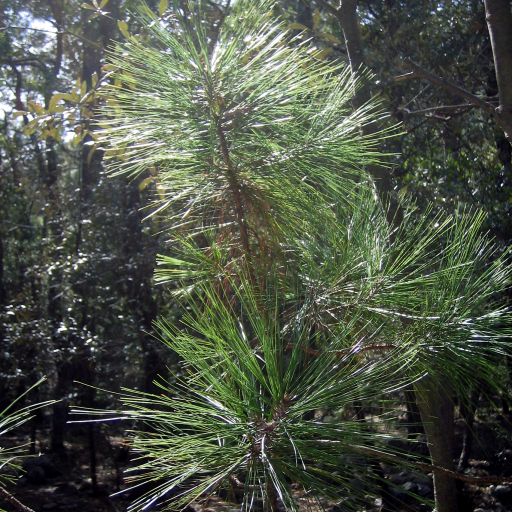
Plant Overview
Known as the majestic "Arizona Pine," this high-altitude specialist is a resilient icon of the Southwestern "Sky Islands" and Northern Mexico. While it was once considered a mere subspecies of the Ponderosa Pine, it has earned its own identity due to its unique needle count and rugged adaptability. In the wild, these towering evergreens act as the ancient sentinels of mountain ridges, providing essential shelter for rare wildlife.
🔍 How to Identify
- 🌲 Needle Bundles: Unlike many of its relatives, the Arizona Pine typically bunches its long, flexible needles in groups of five (though groups of three are occasionally seen).
- 🧱 Textured Bark: On mature trees, the bark forms thick, irregular plates that look like a dark, reddish-brown jigsaw puzzle, helping the tree survive low-intensity wildfires.
- 🍍 Oval Cones: It produces small, egg-shaped cones about 2 to 4 inches long that feature tiny, sharp prickles on the tips of each scale.
🏡 In Your Garden
- ⛰️ High-Altitude Native: This tree is best suited for large properties with plenty of vertical space. It thrives in the thin, dry air of higher elevations and struggles in humid, low-lying coastal areas.
- 💧 Taproot Strength: Because it develops a deep, powerful taproot early in life, it is exceptionally drought-tolerant once established but hates being moved. Choose its "forever home" carefully!
- ☀️ Sun Seeker: It requires full, unobstructed sunlight to maintain its dense canopy. In the shade, the branches will become sparse and "leggy."
⚠️ Safety & Toxicity
- 🟢 Non-Toxic Status: The Arizona Pine is generally considered safe and non-toxic for both humans and common household pets.
- 🍯 Sticky Resin: While not poisonous, the tree produces a very thick, aromatic resin. This sap is incredibly difficult to wash out of fur or clothing and can cause mild skin irritation in sensitive individuals.
✨ Fun Fact
The Arizona Pine is a critical habitat for the rare Thick-billed Parrot. In the past, these vibrant green parrots relied almost exclusively on the seeds of these pines for food while nesting in the high mountain forests of the Southwest.

Detailed Care Instructions
To grow Pinus arizonica, also known as Arizona pine, you can follow these steps:
- Location: Choose a suitable location for planting, keeping in mind that Arizona pine prefers full sun exposure and well-drained soil.
- Soil preparation: Prepare the soil before planting by removing weeds and improving drainage if necessary. Arizona pine prefers slightly acidic to neutral soil pH.
- Seed collection or acquisition: You can collect seeds from mature cones or obtain them from a nursery or seed supplier.
- Seed stratification: Most pine seeds, including those of Arizona pine, require a period of cold stratification to break dormancy. Store the seeds in a plastic bag with some moist peat moss or sand and refrigerate them for a few weeks before planting.
- Planting: After stratification, plant the seeds in small pots or a seed tray filled with well-draining potting soil. Place the seeds around 1/2 inch deep into the soil, and cover them lightly.
- Watering: Keep the soil slightly moist but not waterlogged. Water the seedlings regularly to ensure they don't dry out.
- Transplanting: When the seedlings reach a height of 6-8 inches, usually in the second or third year, they can be transplanted to their permanent location outdoors. Choose a location with enough space for the tree to grow to its mature size.
- Mulching: Apply a layer of organic mulch around the base of the tree to help retain moisture and protect the roots. Avoid mulching directly against the trunk.
- Pruning: Prune any dead or damaged branches as needed, but avoid excessive pruning, as it can stunt the growth of the tree.
- Maintenance: Arizona pine is relatively low-maintenance. Water the tree during dry periods, and monitor for pests or diseases. Regularly remove any fallen needles or debris from around the base of the tree.
Keep in mind that growing Arizona pine from seeds may take several years before the tree reaches a mature size. Patience and consistent care are key to successful growth.

Place in a bright room that is sun drenched almost all day. Or directly in a south-facing window.

1. Research the specific watering needs of the plant species known as Pinus Arizonica. This can be done through online resources or by consulting a plant expert.
2. Determine the appropriate frequency of watering based on the climate and environment in which the plant is growing. Pinus Arizonica generally prefers dry conditions, but may require occasional watering during periods of drought.
3. Use a watering can or hose with a gentle spray attachment to water the plant at its base, avoiding the foliage.
4. Water the plant deeply and thoroughly, allowing the soil to absorb the moisture. Avoid overwatering, as this can lead to root rot and other issues.
5. Monitor the plant regularly to ensure it is receiving the appropriate amount of water. Adjust watering frequency as needed based on weather conditions and the plant's overall health and appearance.
For fertilizing Pinus Arizonica, use a nutrient-rich fertilizer that is low in nitrogen and high in phosphorous and potassium. Apply the fertilizer in early spring before new growth begins, and then again in late fall after the growing season has ended. Avoid fertilizing during the summer months as this can stress the plant. Follow the instructions on the fertilizer label for specific application rates and watering requirements.
To grow successfully, Pinus Arizonica requires well-draining soil with medium to coarse texture. The ideal soil pH for this plant is slightly acidic to neutral (between 5.5 and 7.5 on the pH scale). The soil should be rich in organic matter and nutrients, particularly nitrogen and phosphorus. Sandy loam or loamy soil with good drainage is best for Pinus Arizonica because it prevents waterlogging and root rot. Additionally, the soil should be irrigated regularly to maintain moisture levels, but not overwatered to avoid soil saturation. Before planting, it is recommended to amend the soil with organic matter such as compost or aged manure to provide the necessary nutrients and improve soil structure.
To propagate this plant, you will need to obtain seeds from a mature tree. The seeds are typically found in the cones of the tree and can be collected during the fall season when the cones open up and release the seeds. Once you have collected the seeds, you will need to germinate them by placing them in a container with moist soil. Keep the container in a warm and sunny location and water it regularly to keep the soil moist. After a few weeks, the seeds should start to sprout and you can then transplant them into individual pots. As the seedlings grow, continue to water them regularly and gradually acclimate them to full sun and outdoor temperatures. Once they have reached a suitable size, you can transplant them into their final location in the ground.
Common pests of the arizona pine include Scale insect, spider mites, aphids. Make a habit of checking your arizona pine frequently for pests so that any infestations can be caught and managed early.








